Full article about Moimentinha: Wood-smoke & DOP Cheese at 564 m
Stone mills, chestnut groves and four EU-stamped delicacies lace a 173-soul plateau village.
Hide article Read full article
When the Wood-smoke Rises at 564 Metres
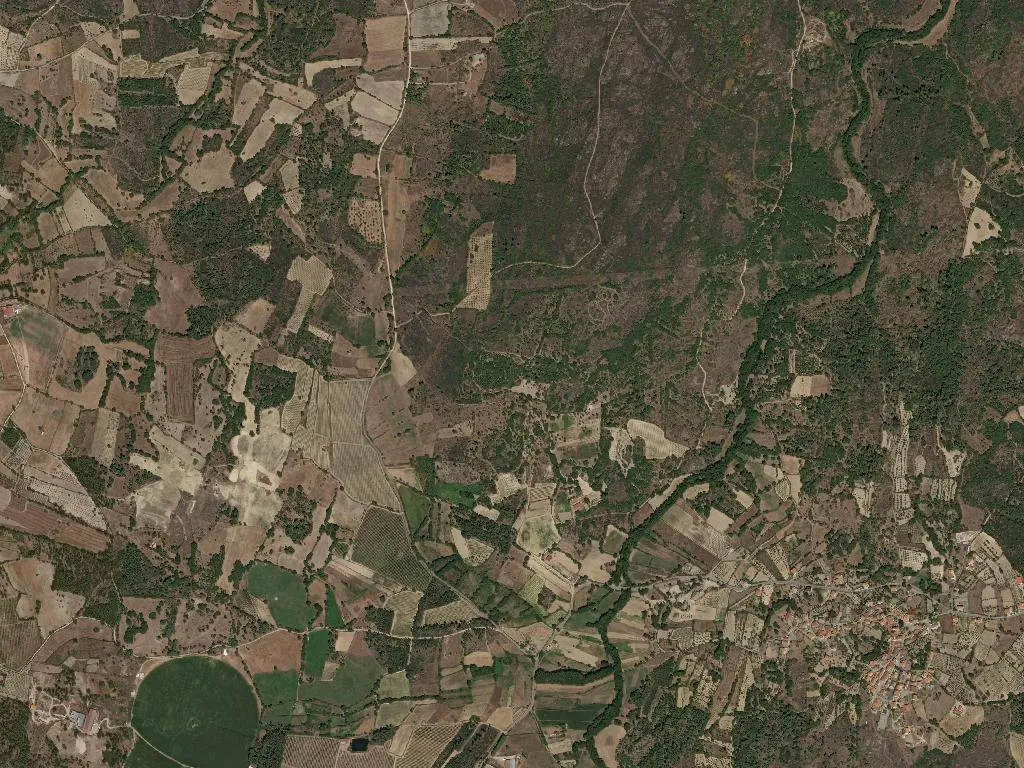
The scent lifts at dusk: a ribbon of oak-smoke laced with chestnuts roasting somewhere you can’t see. Moimentinha unrolls across a high-plateau wrinkle of Beira Interior where wheat stubble gives way to low-walled vineyards and islands of holm oak. Silence has mass here; it presses against the eardrum until a distant dog or the wind dragging across 667 hectares reminds you sound still exists. One hundred and seventy-three souls share the parish. Stay overnight and you’ll know every face by breakfast.
A Name that Still Grinds the Grain
The village first appears in sixteenth-century ledgers as “Moimenta”, a nod to the stone mills that once turned local wheat into flour. For centuries the cereal economy shaped both the cadastral map and the lunch table. Set within the medieval commandery of Trancoso – a walled town that guarded the border against Castile – Moimentinha became a staging post between the high plateau and the western scarps of the Serra da Estrela. Viticulture and transhumant sheep followed the same routes and still dictate the tempo: the café unlocks its door at 08.30 because the owner has cows to milk first.
Four EU Seals of Approval, 173 Residents
Measured by protected-designation products per capita, Moimentinha may be Portugal’s most over-achieving village. Two tiny creameries (ignore the guidebooks that claim three) still stir curds in copper vats, coaxing Serra da Estrela DOP cheese into its buttery, intense maturity. Eat it while the bread steams. The same milk becomes requeijão, a loose, ricotta-like fresh cheese that disappears onto warm toast. Chestnuts from the Soutos da Lapa IGP groves thicken winter soups and appear in dense, wood-ash cakes. Beira Interior DOP lamb and kid arrive as slow casseroles or grill-blackened joints, always with greens and potatoes that taste of cold nights. The local red – tannic, high-acid, built for altitude – cuts cleanly through the fat. Order ahead; no one keeps a table d’hôte.
A Waymarker for Pilgrims and Vines
Moimentinha sits on the Interior Portuguese route to Santiago, the so-called Via Lusitana. Footsore walkers heading for Compostela sleep in stone houses where dinner is slid from wood-fired ovens and the plateau stretches out like a dark sea. Five kilometres east, the Beira Interior wine trail loops through quintas whose barrel halls smell of cedar and blackberries. Each November the magusto – the communal chestnut roast – draws the village around pyres of leaves and fruit; emigrants back from France materialise with unlabelled bottles and stories that never quite translate.
What Lingers on the Fingers
Slanted evening light flattens the terraces into graphic stripes; holm-oak shadows reach across the fields like spilled ink. The cold settles, and once again the air carries oak-smoke. Later you’ll still taste the cheese on your fingertips, feel the chestnut warming your palm, notice the thick glass of red tilting in your hand – small, stubborn materialities that map Moimentinha better than any cartographer. And you’ll plan the return, because no one here treats you as a tourist. They treat you as someone who might know how to jump-start a tractor, or who can relay the football score from Viseu that hasn’t arrived yet.