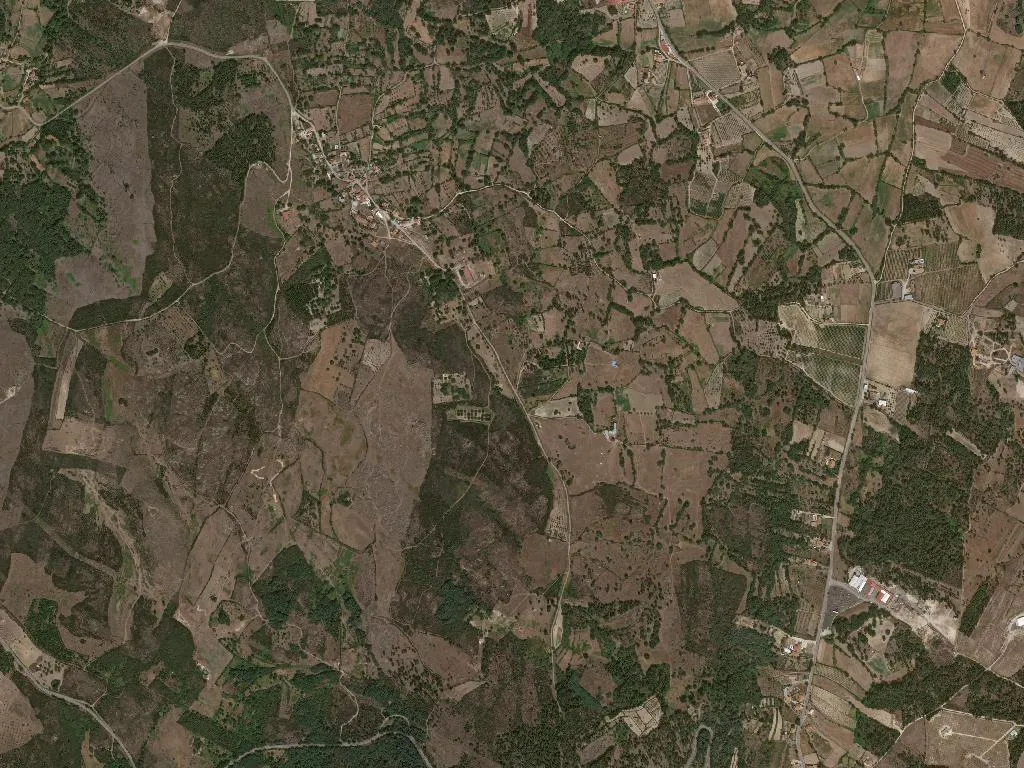
Full article about União das freguesias de Vila Franca das Naves e Feital
Share altitude, vines, chestnuts and wood-fired goat crackling in Trancoso’s twin Beira hamlets
Hide article Read full article
The Granite That Won’t Be Forgotten
Granite confronts you on the threshold, determined not to be ignored. Dark slabs flecked with lichen blisters the colour of ancient mustard – every shower leaves a new stain. At 703 m the air arrives in cautious sips; at seven in the morning the fog sews the valleys shut and the hamlets float above it like islands. Vila Franca das Naves and Feital are not two places but one, bisected by a road that pretends they are separate.
Land of shepherds and passing pilgrims
Serra da Estrela lamb wander through as if they own the deed, grazing the high meadows that smell of myrtle, reappearing later on the plate – lean, stubborn, tasting of work. Goats roam free, breakfast on heather and broom, then surrender to the wood-fired oven so their skin crackles for Sunday lunch if there are guests. Cheese is another story: months on wooden shelves, contemplating life, until it melts across yesterday’s warm cornbread.
The Caminho de Santiago slips through without announcement. Yellow arrows are painted on walls like half-open doors – come in if you wish. The walkers who choose this detour are the sort who prefer solitude to backpack chatter. Some pause beneath the chestnut at Lapa – a tree old enough to have eavesdropped on Romans – pocket a few chestnuts and promise to return.
Daily rhythm, seasonal beat
The parish registers 876 souls but it feels fewer: 280 past retirement, 95 children still deciding whether to stay or leave, the rest counting days to the grape or chestnut harvest, whichever comes next. In September the old Beira Interior vines offer grapes that taste of sun-baked earth; the wine they yield is winter armour. Picking is done by hand, neighbour helping neighbour for a shared supper and the currency of laughter.
Three houses take guests – not hotels but family homes that grew too big and now rent rooms to people who don’t mind a rooster alarm clock. Breakfast brings homemade bread, butter that remembers the cow, and quince jam potted the night before. Afterwards you step outside and walk – no map required, just up or down depending on the view you want.
Evening lays the sun across the rooftops like someone settling on a bench in the square. The woman in the first house shakes out sheets, Zé’s tractor coughs uphill, the flock drifts past leaving scents of damp wool and warm soil. What lingers is not any monument but the hush between two bells, the smell of bruised grass after rain, the rough granite you lean against while the sheep file by.