Full article about Almendra: Almond-Time Village Between Prehistoric Carvings
UNESCO twins the Côa Valley carvings with Douro vines in Guarda’s quiet 309-soul plateau.
Hide article Read full article
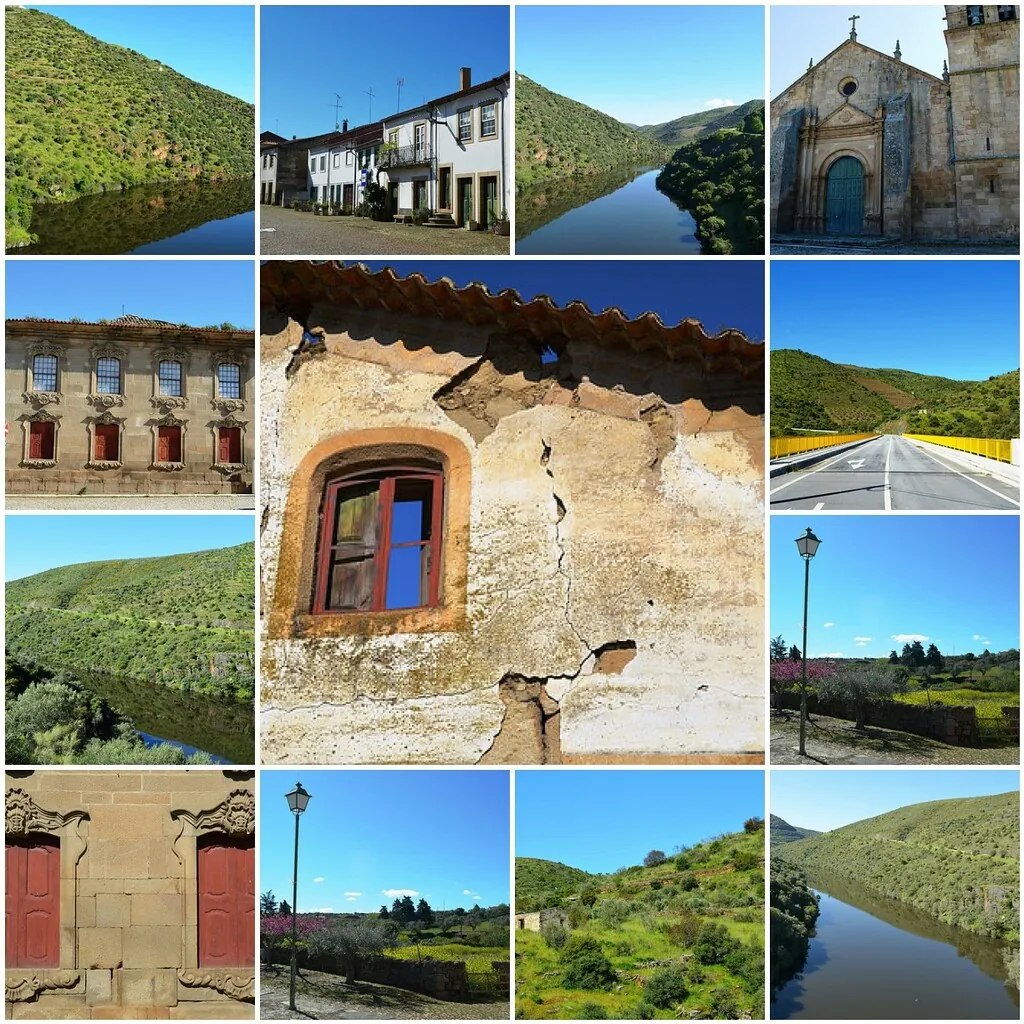
Afternoon light fractures through Almendra’s schist alleys, catching on the quartz veins that seam every wall. Three hundred and nine souls occupy 54 km² of wind-scoured plateau where the only reliable calendar is the almond: snow-white blossom in February, green husk in September, rusted leaf in December.
Two World-Heritage badges, one village
The parish sits inside both the Côa Valley rock-art park and the Alto Douro wine region. Translation: plant a new vine and UNESCO writes you a stiff letter; rebuild a dry-stone wall and an archaeologist must sign it off; drive a fence post and you may strike a 20,000-year-old engraving.
The weekend-only tourist post sells a hand-drawn map to three Roman hillforts. The highest, Castelo de Almendra, is 30 minutes up a rattling dirt track; carry water—there is no espresso van on the summit ridge.
What to eat (and where to find it)
- A Toca, Largo do Cruzeiro, tel. +351 279 764 032. The village’s sole restaurant fires its charcoal grill only on Friday and Saturday; order the posta mirandesa (chunk of mature ox) when you book. Chestnut soup appears between October and December.
- Adega Cooperativa. Bring your own five-litre flagon or buy one for 50 cents, then fill it with rough red for €3.50.
- Cheese. After 15 October knock on the blue door second past the cemetery; Sr Alfredo will cut you a wedge of DOP Terrincho, cave-aged for 60 days, €12 a kilo.
Romaria da Veiga
15 August. Mass at 11 a.m.; procession at 5 p.m. Arrive before ten or you’ll be parked on the N222 and walking a kilometre in the heat. Grilled pork baps are €2.50, plastic mugs of local white €1. When the fireworks burst over the Douro at 11 p.m., perch on the churchyard wall—the best balcony in the valley.