Full article about Sebadelhe’s Almond-Scented September
Vila Nova de Foz Côa hamlet where stone bridges, baroque gilt and foot-trod Touriga outlive Bordeaux
Hide article Read full article
The Sound Before the Sight
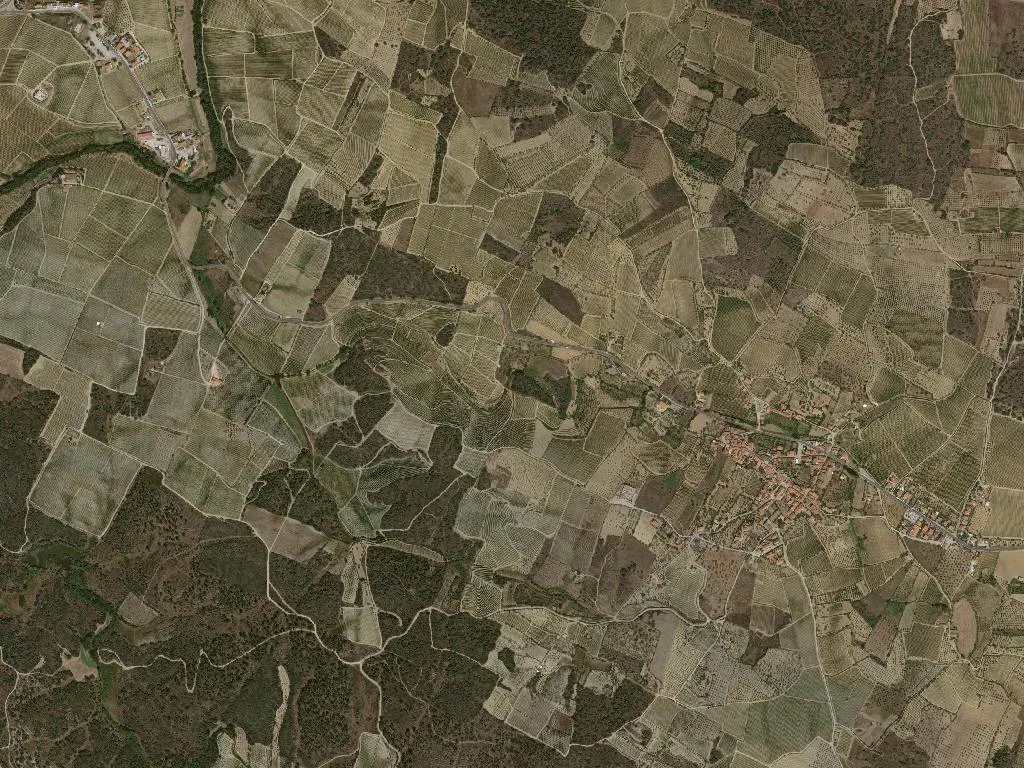
The sound arrives before the image: the slow creak of an iron gate, the echo of footsteps on slate, the distant murmur of the Côa as it slips between granite gorges. Sebadelhe wakes reluctantly, the sun still low enough to gild the vineyard terraces that stagger downhill like broken stairs. The whitewash of Igreja de Nossa Senhora da Veiga throws the morning light back in your face, while a single thread of wood-smoke – olive, of course – rises straight up through motionless air.
Stone-Bound Benedictine Memory
Parish records open in the thirteenth century with the monastery of São Bento de Sebadelhe. The chapel that survives is small, dark-schisted, upright among almond trees planted before Waterloo was thought of. Inside, the air is still flavoured with beeswax and psalm cadences. A mile away, the parish church proper swings suddenly to baroque: gilt acanthus, rococo pulpits, a blaze of cedar and gold leaf that feels almost indecent after the exterior restraint. Between the two buildings, stone bridges arc over winter-only streams – their arches calculated by masons who never saw a blueprint yet understood hydraulic leverage to the millimetre.
A Calendar Written in Soil
September means romaria: the annual home-coming for anyone who once escaped to Bordeaux or Geneva. Sardines blacken over makeshift grills, the metal-on-clay clack of the jogo da malha tournament ricochets across the threshing floor, and the procession of Nossa Senhora da Veiga shoulders its way downhill through vineyards heavy with Touriga Nacional. March is quieter but more theatrical – almond blossom turns every hillside into a silent firework display, a rehearsal for the September harvest when a handful of smallholdings still tread grapes in wicker lagares, foot by foot, as the Douro demands.
Flavours That Refuse to Lie
Roast kid arrives with skin audibly crisp, having spent three hours in a wood-fired oven over potatoes that drank the dripping and rosemary. Migas – breadcrumbs wilted with winter cabbage and toasted almond – taste of the limestone soil itself. Trás-os-Montes DOP olive oil, thick as late-summer honey, pools on rough bread, while Negrinha de Freixo DOP olives bite back with a bitterness that makes the tongue tingle. Finish with almond sponge, then a small, unnecessary glass of vintage Port – because the Douro is not scenery here; it is ingredient.
A Path That Cuts Through Silence
Sebadelhe straddles the Interior Portuguese route of the Camino de Santiago – the so-called Via Lusitana that links Almargem to the Spanish border at Vilarinho dos Galegos. Pilgrims pass at dawn, boot-nails clicking on granite setts, rucksacks freighted with blister plasters and metaphysics. Twenty minutes above the village a shale track climbs to a Côa lookout where the valley floor is still scratched with Palaeolithic rock art – horses and aurochs invisible until the sun angle is exact. After dark the Starlight Reserve kicks in: no street-lights for twenty kilometres, so the Milky Way hangs like a surgical scar across coal-black sky.
Leave with the smell of wet topsoil on olive terraces, the metallic after-taste of spring-water drunk straight from a stone spout, the sudden weight of absolute quiet when the wind drops. Sebadelhe does not do hurry; it stores it in schist walls, church limewash, the seasonal rhythm that still outranks any clock. Come, but come on foot. The slabs are treacherous after rain and silence cannot be heard through a car window.