Full article about Prazeres Madeira: Where Levadas Whisper to Vineyards
Stone terraces, 1785 church and Atlantic-cooled wine at 654 m in Calheta’s hilltop parish
Hide article Read full article
The Flow of Time and Water
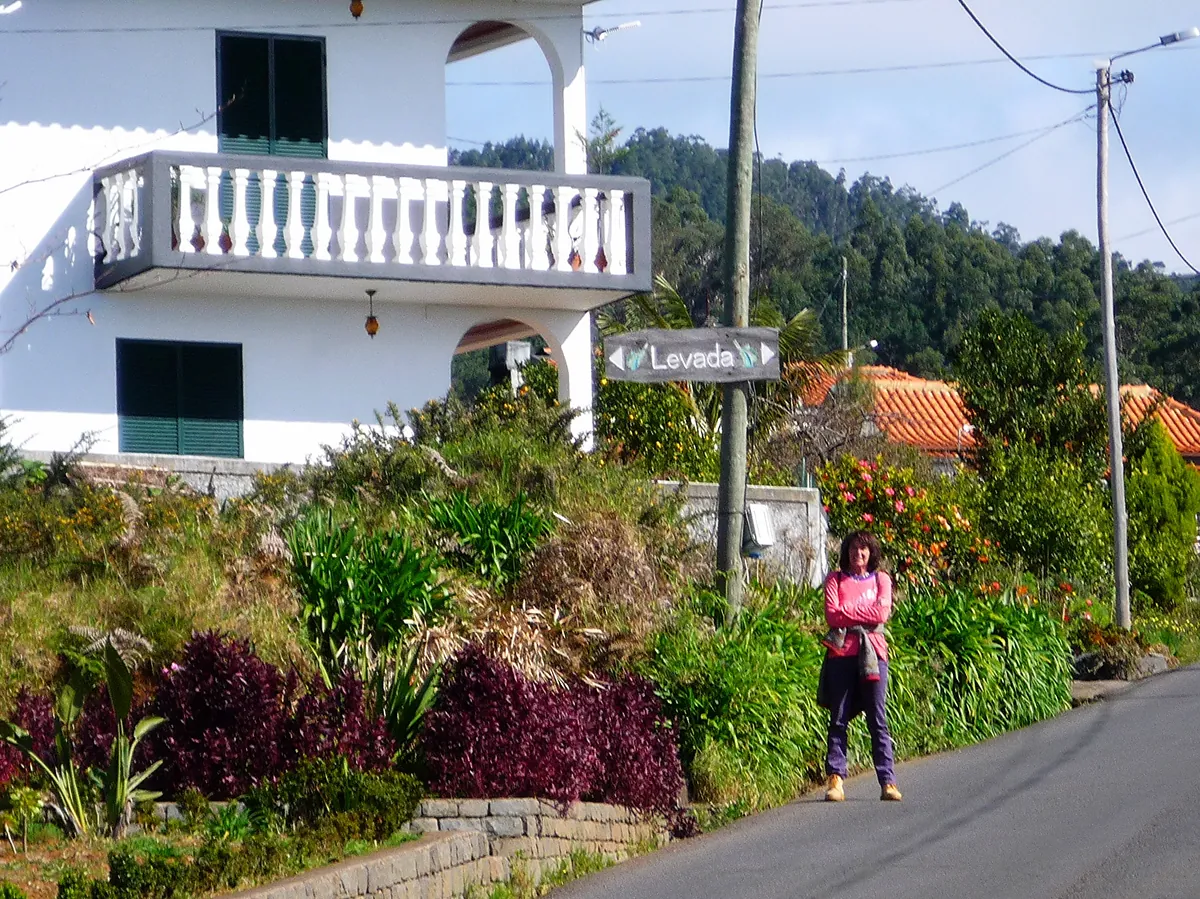
Water has been slipping through the levada at Prazeres since the 1700s without a pump, obeying only gravity and the slope of the land. At 654 m, the air tastes of laurel sap and of grapes that need an extra month to ripen. Eight kilometres to the south the Atlantic glints like polished pewter; on windless nights the surf arrives as a low, rhythmic sigh, the sort of sound that makes you check the windows for rain even in August.
Altitude and Devotion
The parish was registered in 1557 under the invocation of Our Lady of Pleasures—Prazeres—when settlers climbed out of the coastal heat to seed wheat and vines in the island’s second wave of colonisation. Their church still dominates the crossroads: Mannerist altarpiece, painted ceiling panels, a stone crucifix dated 1785 that has watched three centuries of processions pass. Beside it, the public fountain spills melt-water straight from the levada; local women rinse tablecloths on the same slate slabs their grandmothers used, gossip moving downstream faster than the current.
Across the lane the Corte-Real manor house keeps its granite façade and symmetrical stair, a reminder that the grain, flax and Sercial grapes grown on these terraces once supplied Funchal merchants and, in some years, the East-Indiamen anchored in the bay. When phylloxera obliterated the low-altitude vineyards in the late 19th century, refugees carried their cuttings uphill; Prazeres absorbed the displaced labour and quietly became Madeira’s high-elevation wine bank. Visit the Lagar dos Prazeres co-operative and you drink barrel-fermented white that has the Atlantic’s salinity locked in its bones—mineral, whistle-clean, a liquid echo of the slope it came from.
Dry-Stone and Mountain Bread
More than 80 km of dry-stone walling hold the terraces in place, a Listed Cultural Asset built without mortar, confidence or cement. When a section collapses the owner rings the bell after Sunday mass; by afternoon the neighbours are rebuilding, one basalt block each. Above the village the restored water-mill at Lombo do Urzal still grinds local wheat. The flour goes into sopa escaldada, a winter broth thickened with Portuguese kale and cured pork belly, served when fog drifts off Paúl da Serra and erases the road.
Black pork spends two days in Madeira white wine, garlic, bay and malagueta chilli before becoming vinha-d’alhos; the same marinade, minus the chilli, perfumes beef espetadas grilled on laurel skewers that perfume the street. At the Quinta Pedagógica, D. Lurdes runs wood-fired baking classes—children encouraged to poke fingers into the dough—while goat’s-milk requeijadas appear at the first-Sunday market alongside wickerwork, heather honey and cheeses that cure on rough-sawn pine shelves. Hotel guests from Funchal’s Lido buy the lot before noon; set your alarm.
Laurel Forest and Unfiltered Stars
Madeira Natural Park wraps Prazeres in a waist-deep belt of laurel, lily-of-the-valley tree, Madeira mahogany and Canary laurel—15 million-year-old foliage that breathes out humidity even in July. Trail PR 17, the Levada do Paúl, slides 4.2 km through tunnels of vegetation until gaps frame the Desertas Islands far below. Blackbirds and Madeira chaffinishes trade phrases at dusk; carry a jumper because altitude here edits the weather faster than a newsroom.
Night falls cleanly. Street-lighting is illegal this close to the observatory, so the community planetarium—installed in the old primary school—opens its roof at 21.30 on Saturdays. Volunteers aim 20 cm reflectors at star-fields bright enough to cast shadows while village dogs provide a distant, arrhythmic percussion. Carlos’ mongrel is the resident expert: whenever a nebula drifts into view he barks on cue, as if correcting the focus.
The levada keeps moving, the walls keep standing, the wine sleeps in Madeiran oak. Morning bites the skin with cold Atlantic air even as the ocean glimmers below, and wood-smoke drifts through laurel scent—an equilibrium of mountain and sea that only makes sense on this particular basalt step, suspended between forest and water.