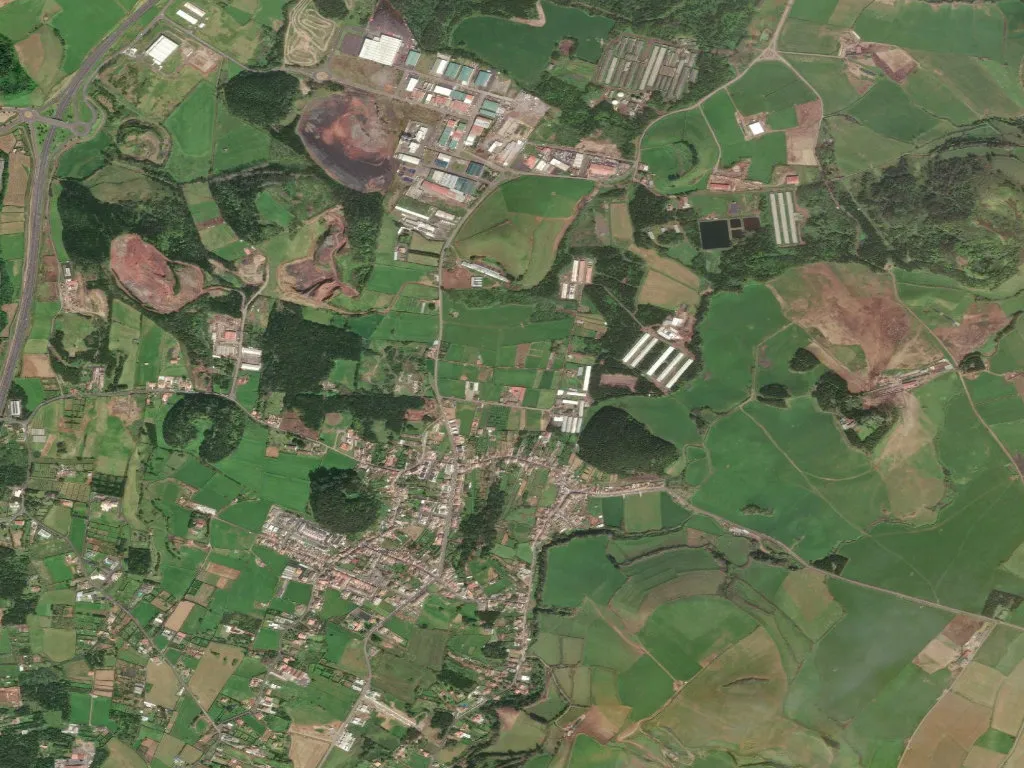
Full article about Cabouco: Dawn above Atlantic lava fields
Wake to diesel coughs & cedar smoke in Cabouco, Lagoa’s citrus-scented crater ridge
Hide article Read full article
First Light
Dawn slips in sideways through the window slats, slicing white-washed walls with blades of light. At 179 m above the Atlantic, Cabouco wakes to the cough of a diesel tractor and a rooster whose timing is as unreliable as the village Wi-Fi. Someone is already out coaxing water along the cabbage rows before the sun scorches the leaves.
Fewer than two thousand souls share five square kilometres, yet the arithmetic collapses the moment you push open Sr Joaquim’s café at seven. Every pensioner in the parish appears to be auditioning for the role of doorstep ornament; the 350 schoolchildren have perfected vanishing tricks. Order a bica, count the wrinkles, realise you are the youngest customer by three decades.
Lava in the Soil
The ground is shoe-polish black, fractured by basalt walls so precisely stacked they look dry-stitched in place. Between them, orange trees drop the IGP-labelled citrus that supermarket Portugal markets as “Algarve” while locals simply call it “the fruit Lisbon overpays for”. The same lava-wealth that once terrified farmers now feeds them: potassium-rich, moisture-holding, perfect for the sweet-lipped Citrinos de São Miguel.
In back gardens, cedar-wood smokehouses labour harder than most salarymen. Fat drips on cryptomeria planks; the perfume drifts through the lanes like a parish bulletin. There is no tasting-menu temple here—only Dona Albertina’s kitchen, where a wine-scented stew causes even passing vegetarians to hesitate.
Where the Map Stutters
You know the hollow feeling when the sat-nav announces “You have arrived” and the road keeps shrinking? That is the western edge of Cabouco. No queues, no gift shop, no filtered viewpoint—just Sr António who, if you ask politely, will hack you an orange with his pocketknife and refuse payment.
Dusk lowers a velvet hush thick enough to butter. The wind carries wet earth and over-ripe fruit, the scent of oranges everyone watched fall but no one could be bothered to collect. The café has shuttered, television screens flicker behind lace curtains, and the visitor’s question becomes audible: what exactly happens here after dark?
Nothing, and that is the offer. Cabouco does not do experiences; it does continuation. The land still feeds, the neighbours still recognise each other, and when the dogs finally stop barking the silence is absolute enough to make you hear your own pulse.