Full article about Mist-wrapped São Pedro de Nordestinho clings to São Miguel’s
245 souls, zero restaurants, endless Atlantic views—life on the edge of Europe
Hide article Read full article
The Mist Rises from the Valley
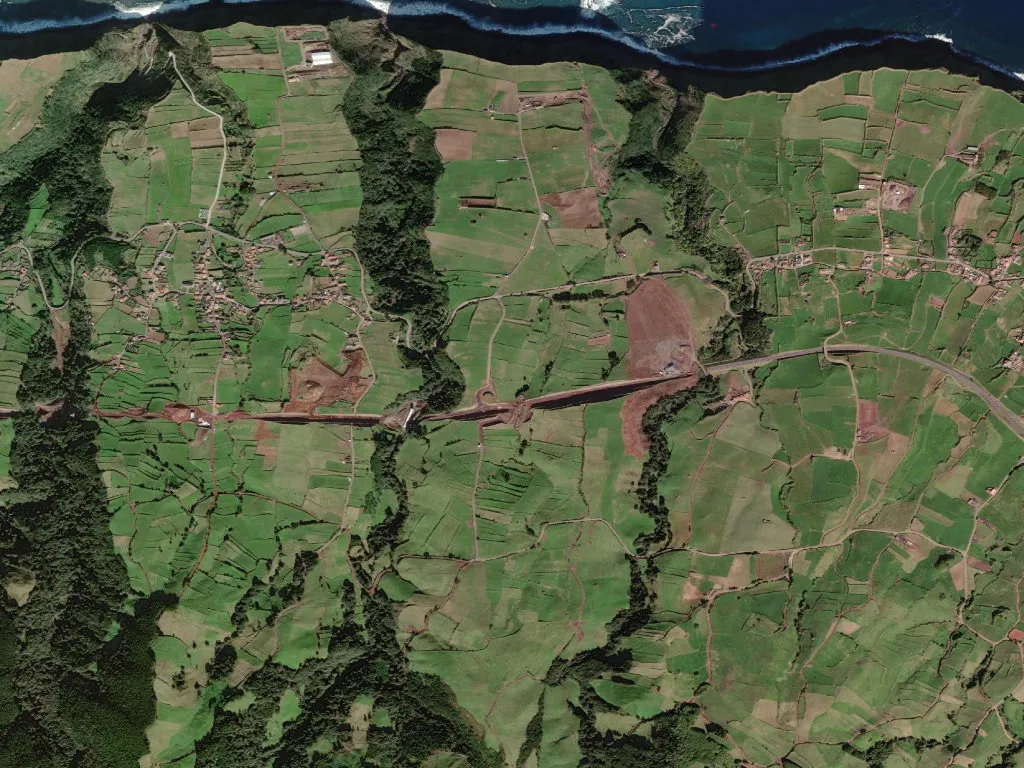
A veil of mist ascends from the valley, a pale white shroud that dissolves as it touches the hillside. At 252 metres above sea level, São Pedro de Nordestinho breathes in the damp air that rolls in from the sea, carrying the scent of salt and wet earth. From the scattered houses, woodsmoke rises in perfect verticals before melting into the morning grey. Here, at São Miguel's easternmost edge, geography dictates the tempo—and the tempo is unhurried.
Two hundred and forty-five souls occupy just over a thousand hectares, a population density so low that silence becomes the default soundtrack. Age distribution forms a near-perfect bell curve: 37 children, 44 pensioners, everyone else somewhere in between. Three generations still share the same narrow lanes, the same Atlantic views, the same stubborn attachment to land that refuses to make life easy.
Height and Solitude
The elevation is no geological accident—it's a condition of existence. Within the UNESCO-designated Azores Geopark, São Pedro's perch on the escarpment shapes everything: the vistas, the weather, the logistical calculus of daily life. Basalt walls, black as coal and furred with moss, line roads that coil like watch springs. Around each hairpin, the ocean appears and vanishes between Japanese cedar and maritime pine, a game of hide-and-seek played at 40 kilometres per hour.
Vineyards once clawed these slopes—Azorean Verdelho found its way to Tsarist cellars—but today the terraces hold pasture. Friesian cattle graze indifferent to the constant humidity, while vegetable plots crouch behind hydrangea hedges that, out of season, stand skeletal against the sky.
Where to Eat
The parish contains no restaurants. None. The single option is Café O Mira Mar on the regional road, open 7 a.m. to 9 p.m. sharp. Morning brings homemade bread still warm from the oven, accompanied by massa sovada—sweet, egg-rich buns that Azoreans eat with butter and guilty pleasure. Lunch is whatever Maria, the proprietor, decides to cook: perhaps sopa de abóbora followed by black scabbardfish from Nordeste harbour, fifteen minutes away. €8-10. Dinner means being out by closing time. For choice, drive to Nordeste village: Tasca do Chico for petiscos and local Arinto, Atlântico for lobster that was swimming yesterday.
Where to Sleep
Zero tourist accommodation exists. The only alternative is the farmers' association cottage, booked through the parish council. Two bedrooms, serviceable kitchen, open fireplace that smokes back at you if the wind shifts wrong. €60 per night, three-night minimum. Bring extra blankets November through March—the windows predate double-glazing and the Atlantic finds every crack.
Culture in Quiet Territory
São Pedro's cultural life doesn't announce itself—it murmurs. No monuments draw coach parties, no viewpoints merit orange-flagged guidebooks. Instead, stone houses with gates painted the exact green of Portuguese wine bottles. Dogs that bark once, conversationally, at passing cars. The metallic clunk of the 19th-century church door closing after Sunday mass, heard only by those already inside.
That church, dedicated to Saint Peter, unlocks solely for 11 a.m. Sunday service. The annual procession on 29 June—Dia de São Pedro—lasts precisely 45 minutes, accompanied by the local band playing marches that sound unexpectedly melancholic in summer sunshine.
The north-easterly wind never stops. It carries moisture that keeps everything emerald, but also a bracing quality that shapes character as surely as it prunes trees. Walk the secondary lanes and you'll feel it: a damp chill that no amount of sunlight quite dispels, reminding you that this eastern tip of São Miguel faces nothing but ocean until you reach Spain's Sierra Nevada, 900 miles away.