Full article about Fajã de Cima’s Pineapple-Scented Slopes above Ponta Delgada
Glasshouse ridges, wood-smoked nights and still-warm queijo in a São Miguel parish
Hide article Read full article
Glasshouse Island
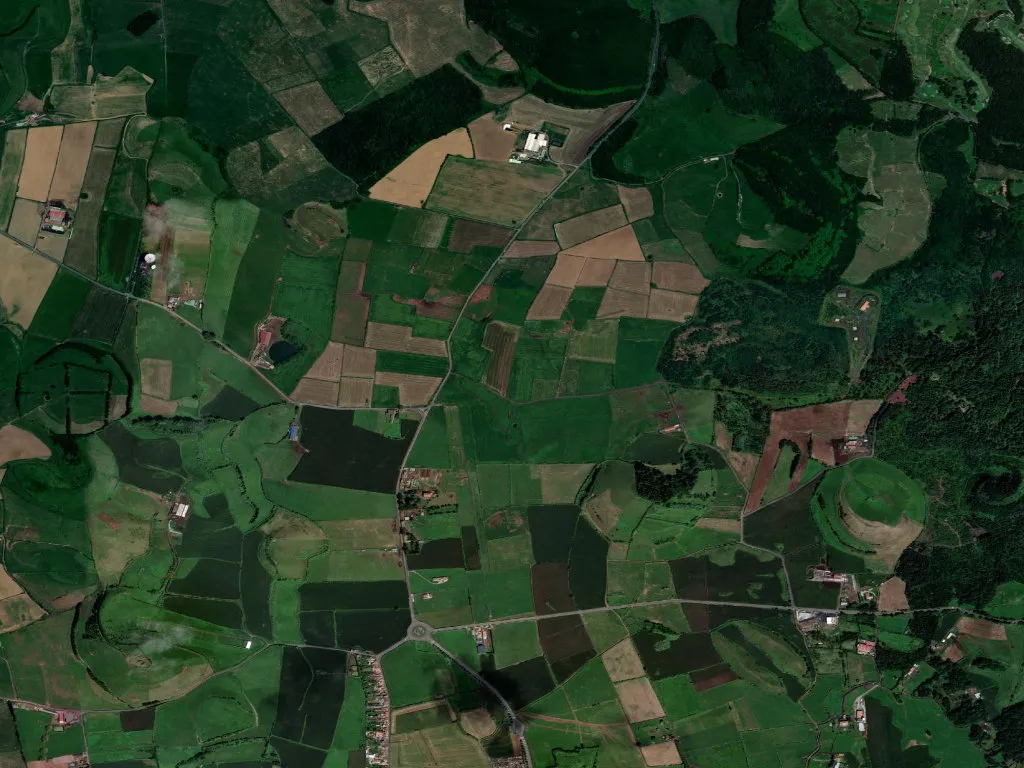
Steam rises from the pineapple glasshouses at 227 metres, where São Miguel’s southern slope still smells of wet earth five minutes above Ponta Delgada’s cruise-ship bustle.
Cultivation under glass
Low wooden frames, shoulder-high, quilt the hillside; inside, every ‘Ananás dos Açores’ sits for two years before harvest. Motorists on the ER1-1a catch the sun flashing off the panes and the thin wood-smoke curling from chimneys—fires kept alight day and night to hold 22 °C through Atlantic winters. Basalt is not mere scenery here: it is building stock, mortared into walls, carved into window frames; on younger houses moss upholsters the stone after three damp seasons.
Where to eat
- Tasca do Zeca – Wednesday cozido, Friday catch; doors open at 07.00, close when the pans are scraped. Communal tables, no menu.
- Pastelaria a Fajã – chouriço-stuffed bread at dawn, mal-assadas (custard-cream doughnuts) on Saturdays. Bring coins; cards refused.
- Cheese – ring the bell at Quinta 47, Rua do Lajedo; two minutes later someone appears with a still-warm wheel of fresh queijo.
Essentials
Pharmacy: Rua Dr. João Francisco de Sousa, open until 19.30.
Cash points: two—beside the church and inside Minipreço.
Parking: free lot by the football pitch, usually empty.
Bus: Line 301 to Ponta Delgada, hourly.
What’s changing
Maize terraces have morphed into detached houses; the growers’ children commute to town but keep a glasshouse or two for summer tourist trade. A handful of cows still graze the upper pastures. Traffic thickened after the Via-Rápida arrived, yet queues are rare except on the EN1-1a at eight o’clock. The light, though, remains unchanged: when sea mist climbs the escarpment it swallows the parish in two breaths.