Full article about São Vicente Ferreira: Milk-Scented Meadows Above the Azorean
Wander São Vicente Ferreira, São Miguel, where cowbells echo over basalt walls and warm cheese sells from the cooperative dairy.
Hide article Read full article
The first sound is cattle
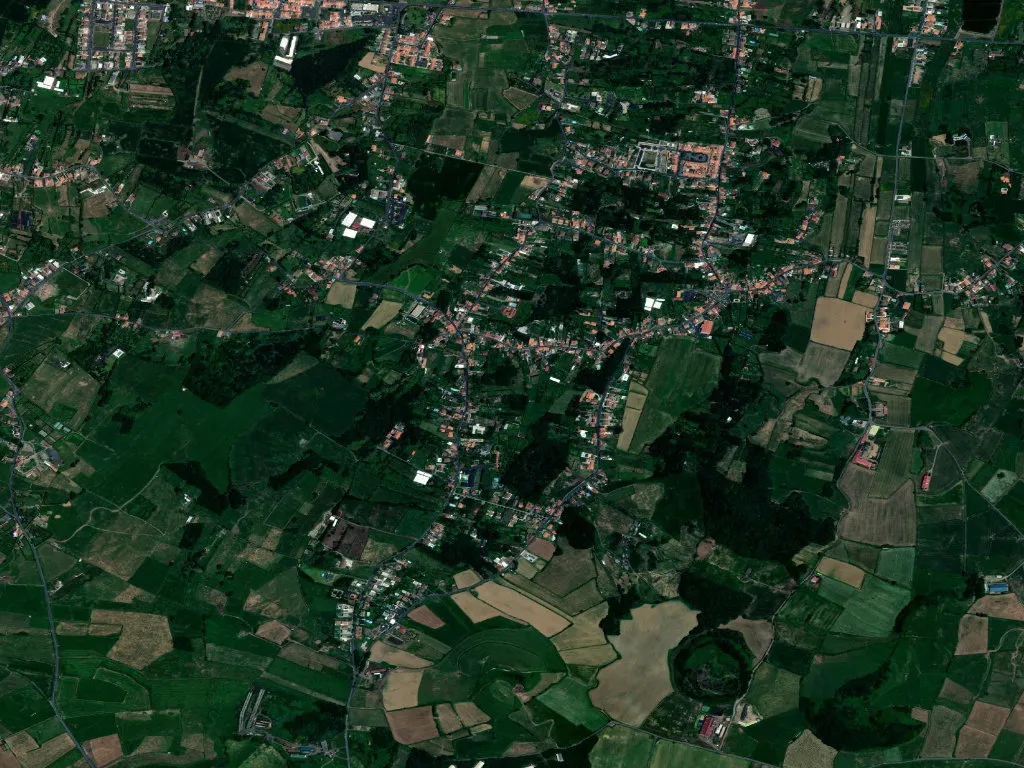
The first thing you hear in São Vicente Ferreira is the basso profundo of Holstein cattle echoing from basalt-walled byres. After that comes a green hush – a vegetal quiet so thick it feels almost liquid, broken only by the Atlantic wind that scuds across the lava plateau 120 m above the ocean. Meadow rolls into meadow, each paddock buttoned down with the loose-stone walls islanders call “pau de bosta”, a phrase that wears five centuries of rural pragmatism on its sleeve. In this parish of eleven square kilometres, time is still measured by milking bells, by the moment fresh curds slip from muslin, and by the week the incense trees along the cliff path burst into candle-flame bloom.
A settler’s imprint
The name memorialises not a saint but a man. In the mid-1500s, when São Miguel was little more than a promise printed on a royal charter, Vicente Ferreira secured one of the first land grants on the island’s northern rim. He wasn’t a smith – the surname came from his mainland benefactor – yet he knew how to read volcanic soil: enough basaltic sponge to hold moisture for wheat, enough depth for pasture. Five centuries on, the parish he seeded still rotates cereals, maize and dairy; the 18th-century parish church stands exactly at its geometric centre, gilded baroque retables glittering beneath a cedar-beam roof. Beside it, a limestone fountain – stone whitened with Lisbon marble, anomalous in this landscape of jet-black rock – reminds locals that even prestige once had to be imported.
Milk, maize and altar bread
São Vicente Ferreira tastes of udder and ember. At the cooperative dairy, warm queijo fresco is lifted from the press while still trembling, half-solid, half-cream, and sold in crinkled paper within minutes. In January, turnip-root soup spiked with chouriço steams against granite walls; at Easter, a citrus-scented loaf leavened with cinnamon marks the end of Lent. On Pentecost Sunday, processioners break “pêro da serra”, a dense maize cake sweetened with raw sugar, beneath the brightly striped tents of the Espírito Santo impérios – a lay brotherhood unique to the Azores. Meals finish with passion-fruit and milk soup, the fruit’s tropical bite ring-fenced by dairy fat, a reminder that the Azores sit on the same latitude as Lisbon but in the middle of an oceanic weather factory.
Lava, levada and the last swimmable rocks
Footpath PR05 SMI drops from the plateau to Praia da Viola in 4 km and ninety minutes. It threads indifferent Friesians, tunnels through incense-tree woodland that smells of frankincense, then spills onto a cove of polished basalt. There is no sand – only wave-slick platforms and tide pools where crabs the colour of coral and green-tipped anemones negotiate the Atlantic’s clear 18 °C water. No road reaches the shore; what the parish council calls “access difficulty” locals call “privacy”. On the climb back, the derelict Pico do Moinho watermill still turns its original wooden wheel – a rarity in a district where concrete has replaced most hydraulic works. The levada irrigation channels that stripe the fields murmur day and night; after a while residents no longer hear them, just as Londoners stop hearing buses.
Feast day arithmetic
The parish festival falls on the weekend closest to 5 April. Morning mass spills into a procession where the statue of St Vincent is canopied with white carnations; by afternoon, wire-strung violas and Spanish guitars strike up morna-style chamarritas. The mordomo – steward of the year – splits the bolo do Espírito Santo with a bone-handled knife, handing each wedge to a neighbour along with a whispered blessing. Visitors are scarce; the crowd is composed of returning emigrants from New England, cousins from Ponta Delgada and men who can still recall when oxen rather than tractors drew the plough. As dusk gathers, the warm tang of milk drifts from the milking sheds and settles over basalt walls like a second skin – the scent of a parish that still makes cheese every dawn and where UNESCO’s Azores Geopark is less a designation than the ground beneath your boots.