Full article about Faial da Terra: Where Water Murmurs Through Green Basalt
342 souls, a whispering levada and Mrs Lurdes' caldeirada scent São Miguel's hidden fold
Hide article Read full article
The water channel slips alongside the footpath like a discreet chaperone, murmuring over stones that have heard more footsteps than any census can count. Faial da Terra smells of wet earth after rain, the scent equal parts grandmother’s wool blanket and something wilder—bay leaves, heather, the green tang of a place that never quite dried out after the last Atlantic storm. On the southern fold of São Miguel, 342 souls occupy a cleft between basalt cliffs and the sea; on match days they all fit inside Domingos’ café, scarves draped over the television like bunting.
Roots in basalt and salt
The parish takes its name from the beech trees that once dressed the upper slopes—timber later felled and floated to 19th-century English cabinetmakers who valued the pale, close grain. Survival here has always been a negotiation between terraces that clutch at the slope and an ocean that removes what it pleases. The parish church, São João Baptista, arrived in the 1700s and still stakes out the geographical centre; its bells ring eight o’clock every Sunday under the stewardship of Father António, whose congregation measures devotion in rubber boots. Higher up, the chapel of Nossa Senhora da Saúde demands a calf-burning climb each September; locals claim the pilgrimage cancels a year’s gym membership.
Feast days dictated by tide and calendar
24 June belongs to São João: procession, brass band, and Mrs Lurdes’ caldeirada, a tomato-rich fish stew that begins in an iron pot inherited from her mother and ends in paper bowls balanced on knees. The Festival do Mar is younger, invented when someone realised that leftover catch could be flattered into lunch for visitors. Between cheese from Zé’s cows, Alice’s fig relish, and orange jam set “by eye, no scales”, the taste of Faial da Terra is stubbornly un-exportable—like the leavened muffins still baked in wood-fired ovens while neighbours with electric stoves are considered “modern”.
Water falling through green walls
The Salto do Prego trail is treated like the village pub: everyone knows the way, no one hands you a map. Three kilometres along the streambed, the path narrows into a tunnel of giant fern and incense tree until the waterfall appears, a silver blade against moss. Below it, a shingle beach served as the first swimming pool for local children and the place where adults forgot the month’s bills. Terraces above cling to vines that produce wine “with no label but plenty of opinion”, according to 83-year-old Sr Manuel, still nimbly pruning at altitude.
Where the lane meets the Atlantic
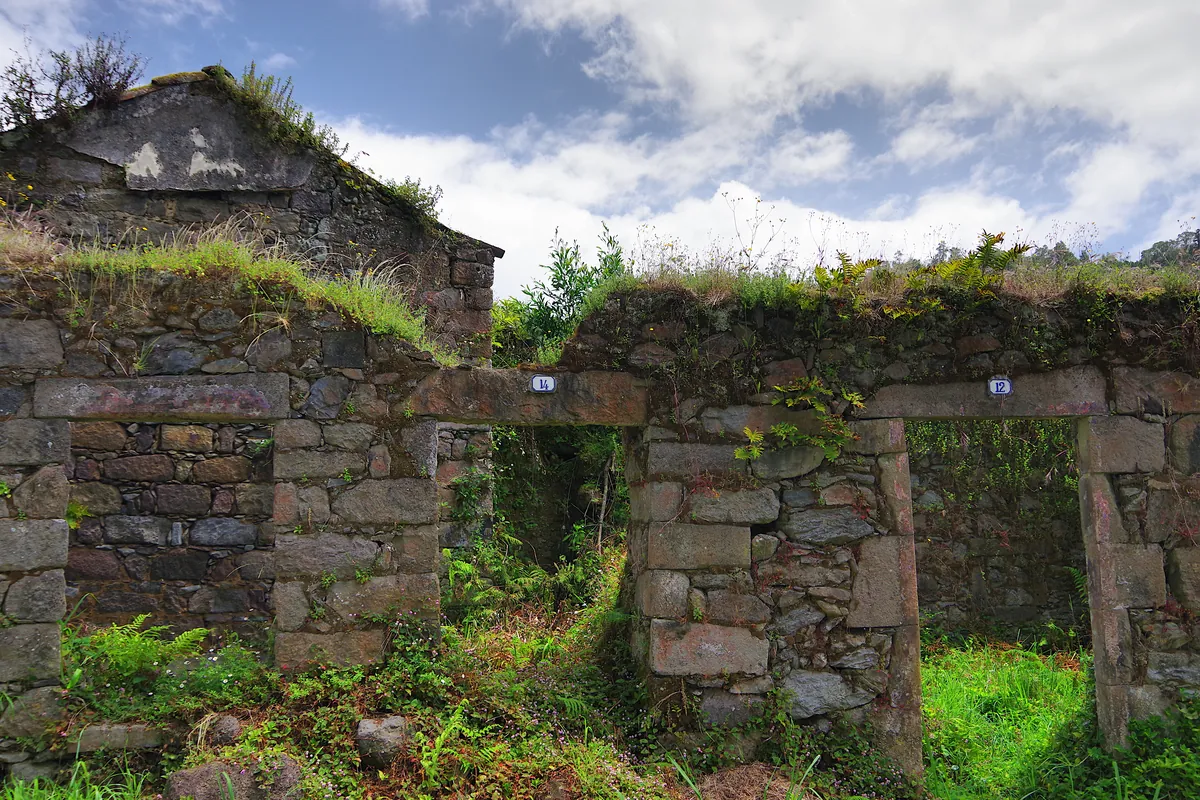
Streets read like family albums—basalt walls older than any living resident, roofs the wind hasn’t yet prized off, windows Mrs Rosa repaints annually in maritime blue “so the sea has someone to flirt with”. The community hall doubles as funeral parlour, birthday ballroom and the venue where the parish chairman explains—again—why traffic lights remain unnecessary. Population density is thirty per square kilometre, pensioners outnumber teenagers two to one, yet obstinacy persists: the Atlantic keeps hammering, the cliffs keep standing.
Walk back down at dusk and the waterfall’s white noise lingers in the inner ear like the first slow song of a school disco. The water’s chill stays on skin; incense recalls midnight mass; salt drifts uphill when the bay’s swell slaps black rock—steady as a grandfather clock, always the same, always different.