Full article about Pico da Pedra: São Miguel’s Fog-Wrapped Village of Returnees
159-metre hill, Boston cousins, scabbardfish Fridays and a stubborn 2015 pothole
Hide article Read full article
Stoneless Hill
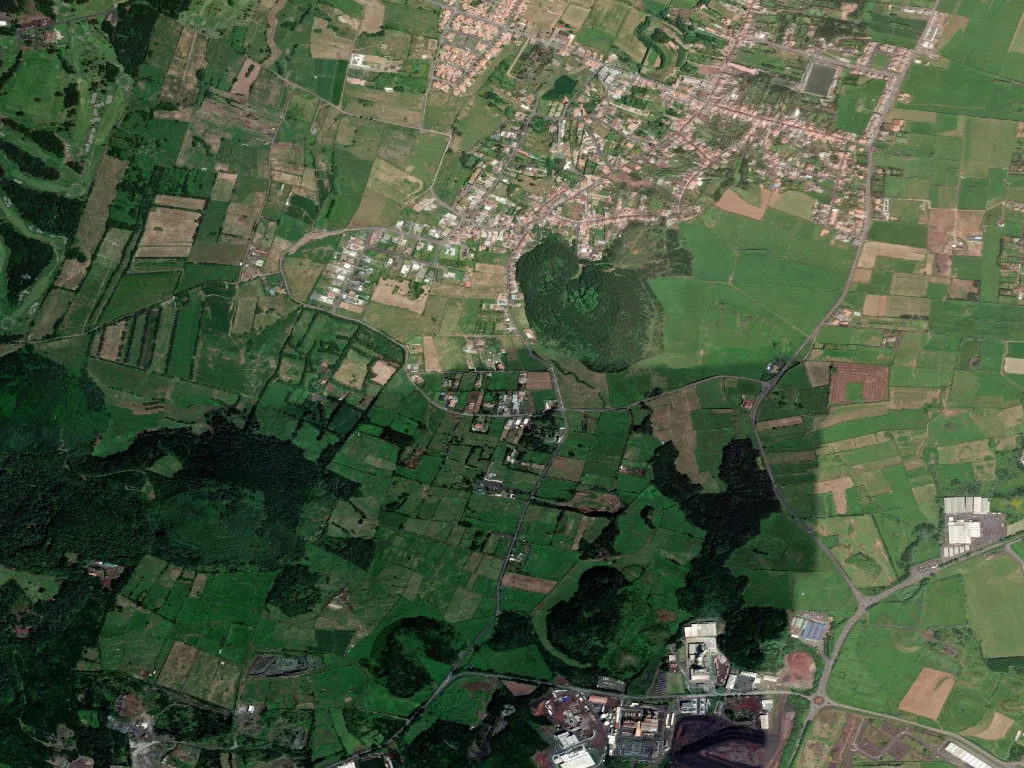
Morning fog wraps the paddocks like a wet tarpaulin; the first pass of the tractor releases a puff of warm-earth steam. Pico da Pedra—literally “Stone Peak”—never actually delivered the rock its name advertises. The label survives from a single crag above the roundabout where, in 2010, children clung to their mothers’ knees to watch the municipal fireworks. At 159 m the hill is modest, yet the wind arrives with such velocity that the village bakery still bolts its door with two latches whenever a northerly approaches.
A parish head-count
The census says 3,053, but every August the figure swells past 4,000 when Boston, Toronto and Lisbon relatives fly home. Post-1998 houses—rendered cubes with German kitchens—have colonised the “urbanisation”, a grandiose title for three cul-de-sacs where Sr Totó’s tabby sleeps on the warm bonnet of a 1998 Honda Civic. The older cottages keep their wooden-lidded cisterns; inside, rainwater warms to the colour of iron under the sun. Dona Lurdes keeps a barren peach tree because her father planted it the day she was born. “It remembers me,” she says.
On Fridays the fish van double-toots outside Céu grocery. No one uses the word shop—it’s simply “Heaven”. Bring your own bowl and ask for “a middle cut of scabbardfish for tonight, but trim the black, Zé, Maria hates it”. The yam now arrives washed and vacuum-packed from Brittany; the local root disappeared when the last smallholder died and her plot was flipped to Germans running Airbnb villas.
Between routine and landscape
The regional road that bisects the village still carries the same pothole it sprouted in 2015. Each new council promises tarmac, then sprinkles gravel instead. When rain fills the cavity, seawater splashes the bumper with a hiss of stone on metal. It’s at that bend that the smell switches from brackish starfish to cow manure: the Atlantic is hidden by a wall of cryptomeria, but the wind smuggles its breath.
Evening. When the sun drops behind Pico da Barrosa, basalt walls turn honey-coloured and pasture grass glows as if lit from below. Cows file home, bells chiming a six-note gamut; Silvino guns his moped to catch the evening news. Three church bells toll—an All Souls’ mass, candles flicker for relatives no longer here. The scent of warm beeswax collides with Leonor’s 19:30 batch: crust like slate, crumb tight and yeasty, perfumed by the incense-wood she still burns in her 1952 oven.
You don’t linger for a postcard view; you stay for the hush that follows the final bell—an edible silence tasting of bread and salt water, convincing your phone it belongs to another planet.