Full article about Ponta Garça
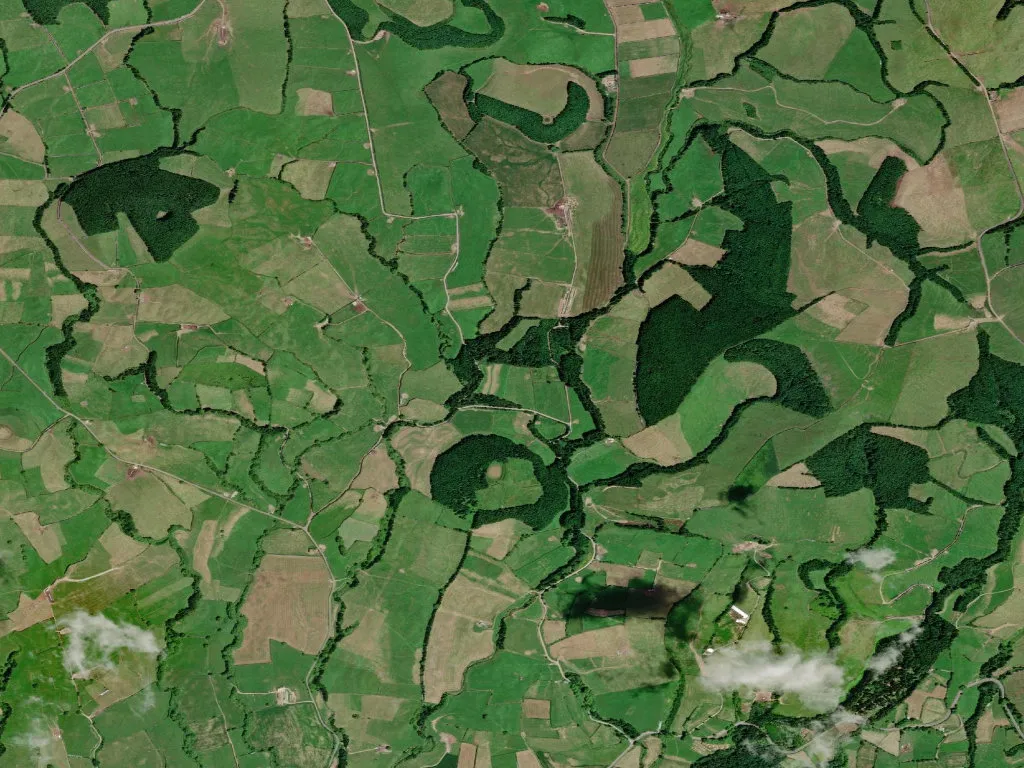
524 m above brine-scented surf, lava walls frame hydrangeas & fog-veiled pastures
Hide article Read full article
Wind as Architect
The wind here has a filing system. It keeps the oaks bent at 45°, stacks clouds according to humidity, and decides which conversations outside the parish café deserve to reach the road. Ponta Garça, 3,000 hectares of south-eastern São Miguel, is shaped less by planners than by Atlantic gales. Morning fog erases the pastures; by noon the sun skims the grass at such an angle that every blade casts its own shadow; at dusk a film of rain arrives like a drawn blind. Locals read the sky the way commuters check a watch.
The Altitude Illusion
You are 524 m above sea level yet only 2 km from the ocean – enough height to pull a fleece from your rucksack in July and to smell both damp loam and brine in the same breath. Stone walls, loose-laid and lichen-splodged, hem the lanes, their hydrangeas shifting from Wedgwood blue to raspberry according to the volcanic soil’s mood. Pasture gives way to wind-scoured heather; dairy cattle graze above the flight path of Cory’s shearwaters. Silence has a pulse here, broken by the click of hooves on basalt and, after dark, the birds’ glass-sharp cries as they return to burrows in the cliff edge.
Geopark Life, Not Labels
Since 2013 the parish has sat inside the Azores Geopark, but you will not find glossy panels or gift-shop ammonites. The geo is simply the everyday: charcoal-coloured cliffs pleated by waves into sea arches and caves reachable only by foot-worn fishermen’s paths. Below, the fajãs – lava-shelf gardens once planted with sweet potato and taro – are slipping back into wild fennel, their dry-stone walls now linear ruins. Basalt is underfoot, overhead, and in the 16th-century mole that shelters the tiny fishing harbour; geology is the local building code.
Three Generations in Balance
Census sheets show 458 children under 14 and 439 residents over 65 – a demographic symmetry rare in rural Portugal. The primary school still runs full classes from Year 1 to Year 9; the bakery-café on Rua da Igreja fills at 08:00 with the same men in waxed cotton who were there at 18:00 yesterday. Density is 105 souls per km², yet no one is isolated. Houses cluster in pocket hamlets – Lombinha, Pico da Figueira, Fajã do Calhau – each with its own chapel, spring, and micro-identity. When the Festas do Espírito Santo arrive, white-pinnacred império tents appear overnight and the whole parish eats sopas de pão from the same copper pot.
Atlantic Vineyards
Azorean wine is no footnote here. Vines grow inside currais, hand-stacked basalt pens that tame the salt wind and trap daytime heat. Verdelho, on the island since the 1400s, ripens slowly under changeable skies, giving whites with a laser-like acidity that tastes of struck flint and sea spray. The São Miguel Wine Co-op, founded 1950, still receives grapes from six local growers; harvest can stretch into October, long after the Douro has packed up. Everything is done by hand on gradients that would horrify a German vigneron, yet the resulting bottles – some carrying the Pico IP seal – carry the Atlantic in their spine.
Last light tilts across sloping meadows, gilding the stone walls and turning hydrangeas into bruised velvet. The Atlantic keeps breathing below, steady as metabolism, while wood-smoke from early supper fires rises to meet it. Ponta Garça offers no postcard moments, no checklist sights. It simply allows you to inhabit weather, rock, and time at their original scale.