Full article about Cedros
Stone-walled currals guard Atlantic-scarred vineyards above Horta’s channel, where sixteenth-century
Hide article Read full article
The scent of must and basalt
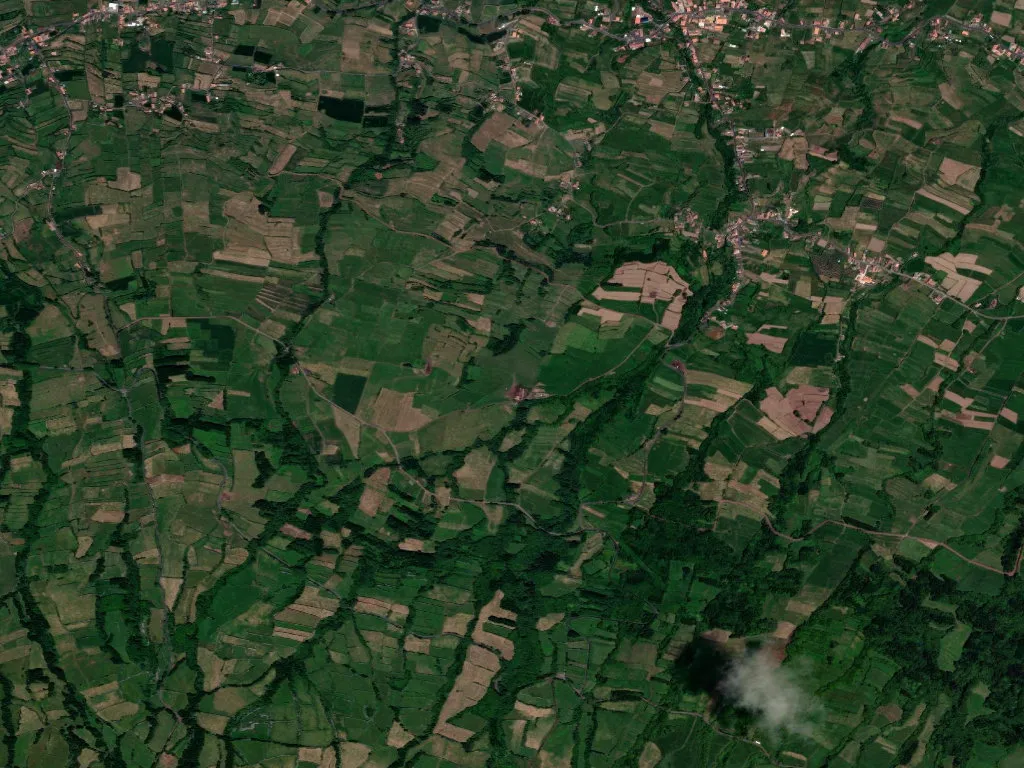
Fermenting grape must drifts from cellars hacked into black volcanic stone, mingling with the smell of wet earth rising from vineyard terraces. In Cedros, basalt walls curve across Faial’s northern slope, shielding Verdelho vines from the Atlantic wind that scours the channel without respite. Silence settles over the village, broken only by the single toll of the parish-church bell and the distant groan of a salt-split gate. At 282 m above the sea, 872 people sustain a wine tradition that began in the sixteenth century, when caravels bound for the Indies paused here to load pipes of the wine that later seduced the courts of Lisbon and London.
Stone, carving and tin-glaze
The Igreja Matriz de São João Baptista commands the village centre: an eighteenth-century façade of whitewashed plaster set against the dark basalt of manor houses. Inside, high windows sieve light onto a gilded Baroque retable and blue-and-white azulejos that recount the beheading of the saint. A few paces away, the little Império do Espírito Santo, erected in 1873, stores the silver crowns, 1921 silk flags stitched by Fausta de Melo and cedar-wood staffs carried each Pentecost. The limestone cruzeiro carved in 1753 by António Teixeira anchors the junction where lanes drop toward the fields.
Climb the lane that snakes through pastures walled in dry stone and the Ermida de Nossa Senhora da Ajuda appears on a promontory. From the doorway São Jorge slices the horizon like a black blade; beyond it, Pico’s perfect cone rises, the same landmark that guided pilots before chronometers existed.
Inside the currals
Verdelho grows inside currals – tiny stone stockades of basalt that tame the salt wind. At Quinta do Canto and Quinta do Furão the grapes are still trodden in stone lagares and the juice left to ferment in chestnut barrels. The finished wine can be searingly dry, tasting of green apple and cider, or lusciously sweet, aged until it smells of burnt honey and toasted almond. During the first weekend of September the Feira do Vinho e do Artesanato opens cellars to strangers; producers pour alongside queijadas from Padaria Silva and chouriço smoked over gorse-root embers.
At table, yam stew arrives in clay crocks, its tomato sauce sharpened with beef shin; turnip broth with peppery sausage steadies winter evenings. The village cozido, baked in a wood oven, layers sweet potato, kale, chouriço and blood pudding into a single smoky stratum. With coffee taken slowly at Café Central – run by the Bettencourt family since 1952 – try bolos de véspera, faintly scented with cinnamon and wild fennel.
From levada to fajã
The Levada Trail follows a 1942 irrigation canal for four kilometres through a landscape stitched by smallholdings. Hydrangeas flare blue and rose in July; pastures end abruptly where the island plunges into the channel. In the Mata de São João, 3.7 ha of laurel forest offer shade and the whispered call of the priolo, Europe’s rarest passerine. Below, Praia do Norte is a fajã of rolled pebbles where anglers cast into surf that detonates against basalt.
From the Miradouro do Ribeiro Fundo, opened in 2008, the entire canal lies exposed: São Jorge to the north, Pico to the east, Faial’s coast unfolding in coves and headlands until distance dissolves the outline. Gulls wheel on updrafts; the air tastes of brine and bruised grass.
The season of sopas
On Pentecost the Sopas do Espírito Santo are ladled at the Império’s door: wood-oven bread from Manuel da Graça’s kiln, soaked in beef broth and topped with a wedge of chuck and a slice of massa sovada kneaded for four decades by Maria do Carmo. The ritual predates the 1832 liberal constitution; the whole parish gathers to eat from the same vat. At Easter the Procession of the Lord of the Steps winds through cobbled lanes, candle-lit biers shivering in the night wind between the Igreja Matriz and the cruzeiro.
Cedros keeps time to a slower clock: 218 residents over sixty-five who greet one another by first name, 123 children who learn the chamarrita in the June festivities, stepping where grandparents once danced on threshing floors. At dusk, when low Atlantic light ignites the church windows, the scent of island cedar drifts from hearths – resin and centuries compressed into wood that has watched five hundred harvests, processions and departures.