Full article about Pedro Miguel: Faial’s Cloud-Cradled Hamlet Above the Atlanti
Verdelho vines, basalt walls and cow-bell silence at 271 m on Azorean ridge
Hide article Read full article
Windward at 271 m
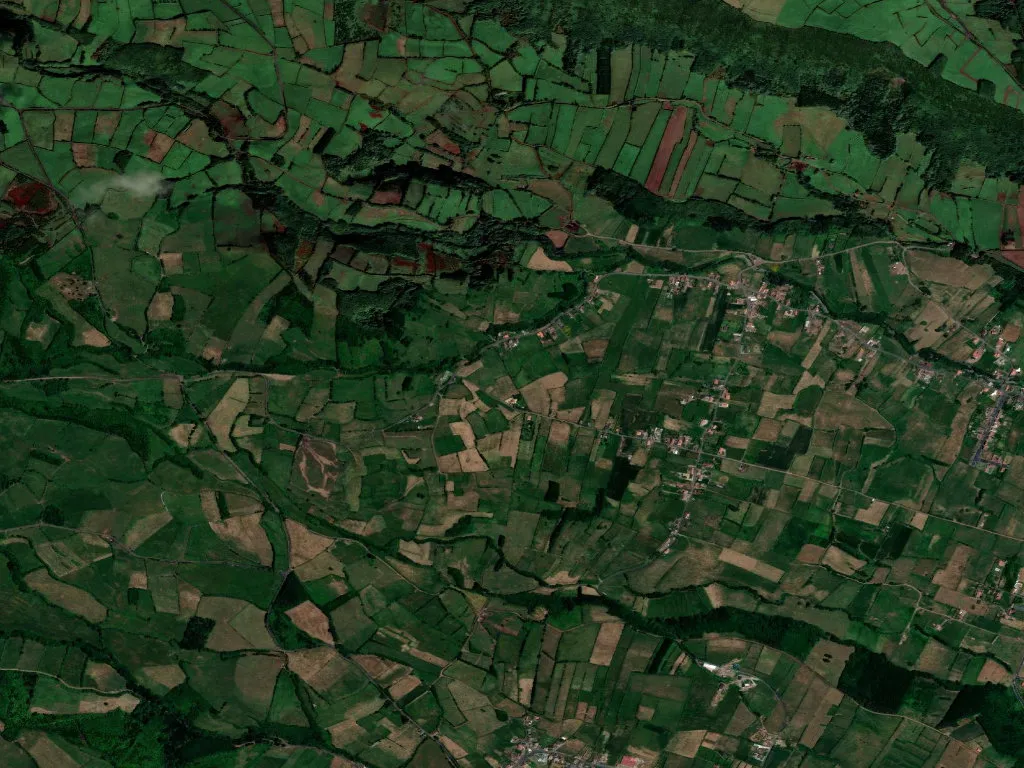
The Atlantic arrives sideways up here, flinging salt and damp earth into your face before you’ve even glimpsed the ocean. Pedro Miguel hangs 271 m above sea level on Faial’s northern rib, close enough to the island’s 1 043 m volcanic spine for clouds to drop and graze the pastures. Basalt walls, slick with neon moss, keep the cows from sliding off the gradient; their bells mark time in the drift of fog.
From the brow of the ridge the view runs clear to Pico’s perfect cone 8 km away and, further east, the jagged silhouette of São Jorge. The parish spreads across 14 km² of that view—roughly the size of Windsor Great Park—yet only 737 souls sign the electoral roll. Demography here is a blunt ledger: 117 children under 14, 126 pensioners over 65, everyone else squeezed between.
Basalt and cloud cover
UNESCO lists the whole island in its Global Geoparks network, and Pedro Miguel is the textbook chapter on altitude viticulture. Rows of curralets—tiny square plots walled in volcanic stone—trap just enough heat to ripen Verdelho and Arinto dos Açores. Yields are measured in hundreds of bottles, not thousands; what little reaches shops is bottled by the Faial cooperative, tasting of struck flint and seawater.
The fog can erase May sunshine in the time it takes to finish an espresso. Lichens love it: they bloom sulphur-yellow across the lava like oxidised brass.
Life on the incline
Dairy, not tourism, pays the mortgage. Holsteins graze unbothered through drizzle that would send most hikers scurrying for Gore-Tex. Barns are tucked below the ridge line, their south-facing verandas angled to shrug off the norte wind. Wood smoke slips from chimneys at dusk, seasoning the air with camp-fire sweetness.
There are no hotels, no gastro-bistros, no gift shops flogging whale-motif tea towels. The single commercial pulse beats inside the Salão, a café that doubles as village store. Doors open at 07:00; by 11:00 the last pastel de nata has vanished. When winter storms prise stones from the cliff, the regional road can close for hours—locals simply restart their tractors and take the dirt shortcut they’ve used since childhood.
Silence built of stone
What you notice after dark is the absence: no humming streetlights, no motorway thrum. Sound is rationed to wind, distant lowing and the crunch of your own boots on cinder. Houses—basalt dressed with white lime around the windows—sit in ones and twos, their curved clay tiles clamped against Atlantic squalls. Shutters thud, gutters gurgle, but the village itself refuses to raise its voice. In Pedro Miguel, quiet is still a civic virtue.