Full article about São Caetano
Basalt walls, Atlantic surf and Azorean verdelho vines tumble down a single crater lane
Hide article Read full article
Stone that still steams
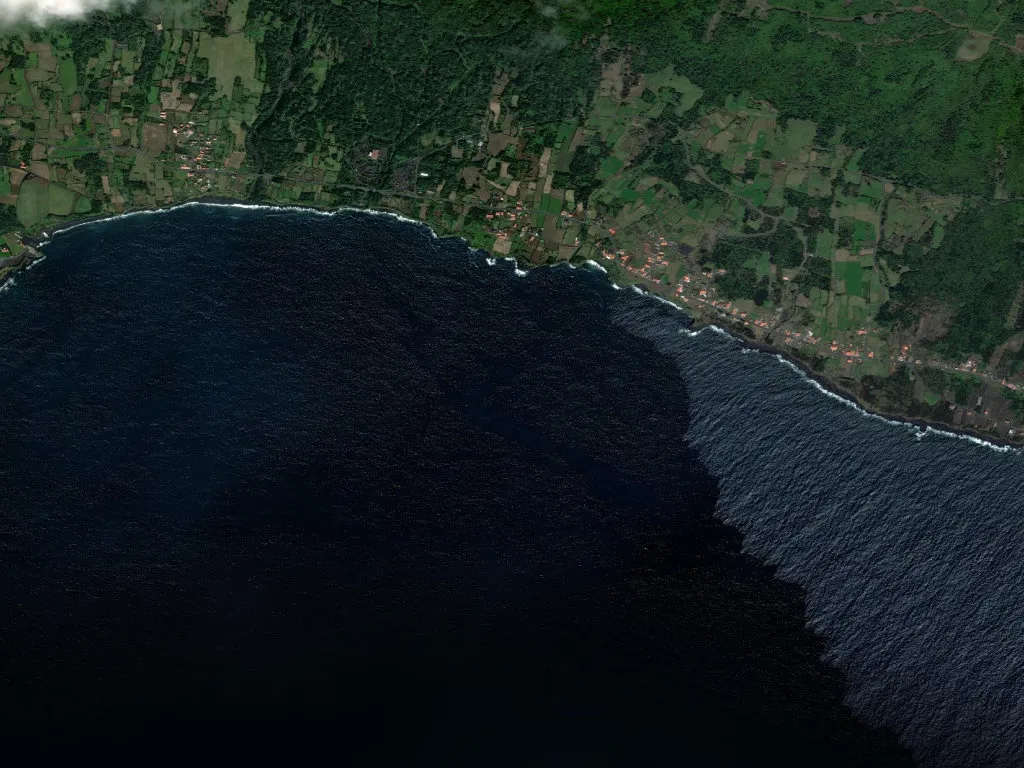
Afternoon sun strikes the basalt and the rock exhales like a kettle just boiled. Salt blooms white on the low walls; behind them, Pico looms so close it seems to lean over our shoulders. São Caetano is a single, precipitous lane that drops from crater rim to Atlantic, every square metre clawed from lava over five stubborn centuries.
Walls that keep both wine and memory
The currais look like dry-stone jigsaws, black pieces forced into place without the box lid. They are UNESCO-listed now, but their real patent is older: necessity. Vineyard owners had to persuade the volcano to give back what it had taken, stacking scoria into shoulder-high corrals that break the wind and radiate heat onto the vines. The wine that survives here—Azorean verdelho, DOP Pico—bites like green apple; it tastes of people who learned to throw a party with whatever the Atlantic forgot to steal.
A stone church and an August homecoming
São Caetano’s church is the size of a modest Cornish chapel, its bell cast in 1873 and still rung by hand. Inside, light slips in sideways, apologetic. Each August the feast of St Cajetan turns the lane into an artery: returnees from Toronto wheeling cabin-baggage full of maple biscuits, neighbours arriving in taxis from Madalena 6 km away. For two weekends the population doubles, the brass band occupies the single bar, and sardine smoke settles on Sunday shirts like confetti. On Monday morning only 414 souls remain, but the larders are louder.
Where the mountain dips its toe
At Pontinha das Formigas the ocean forgets its manners. Waves detonate against pillow-lava so violently that even gulls stall mid-air. From the blowholes you can study Pico’s summit as if it were a private portrait: the wrinkles of recent flows, the violet shadows that suggest it hasn’t slept since 1720. At dusk the mountain’s silhouette stretches across the channel like someone trying to catch the last ferry home.
Trails between vineyard and crater
The footpath that climbs toward Terra do Pão starts politely, then remembers it is on a volcano and turns vicious. Currais give way to pasture where dairy cows stare with the entitled air of taxpayers. Heather and ginger lily scent the air; the silence is fathom-deep, broken only by the soft pop of grapes overheating in the sun. You taste salt and wet earth at the same time—a pairing no London sommelier has on the list. When darkness falls, Madalena’s streetlights blink on like interrogation lamps, and Pico keeps watch across the water—an older brother who never goes to bed.