Full article about Cinco Ribeiras: Terceira’s Bleached-White Fishing Hamlet
Milk-scented lanes, basalt cliffs and a secret rock pool where cows graze above Atlantic surf.
Hide article Read full article
The White Village
The glare is the first thing you notice. Lime-washed walls in Cinco Ribeiras reflect Atlantic light so fiercely that the hamlet of Canadinhas seems bleached into near-invisibility. No pastel trims, no azulejos—just annual coats of chalky white that have earned the parish its nickname, the “white village,” and no one is tempted to break rank.
Steeples & Saints
Centre-stage is the 1872 Igreja de Nossa Senhora do Pilar; lower down, a tiny chapel of Nossa Senhora de Lourdes swings open each June so fishermen can splash holy water over outboard motors. São Pedro’s two-day festival ends with caldo de abóbora, a squash broth ladled out after the procession.
Basalt, Bovines & Blue Marlin
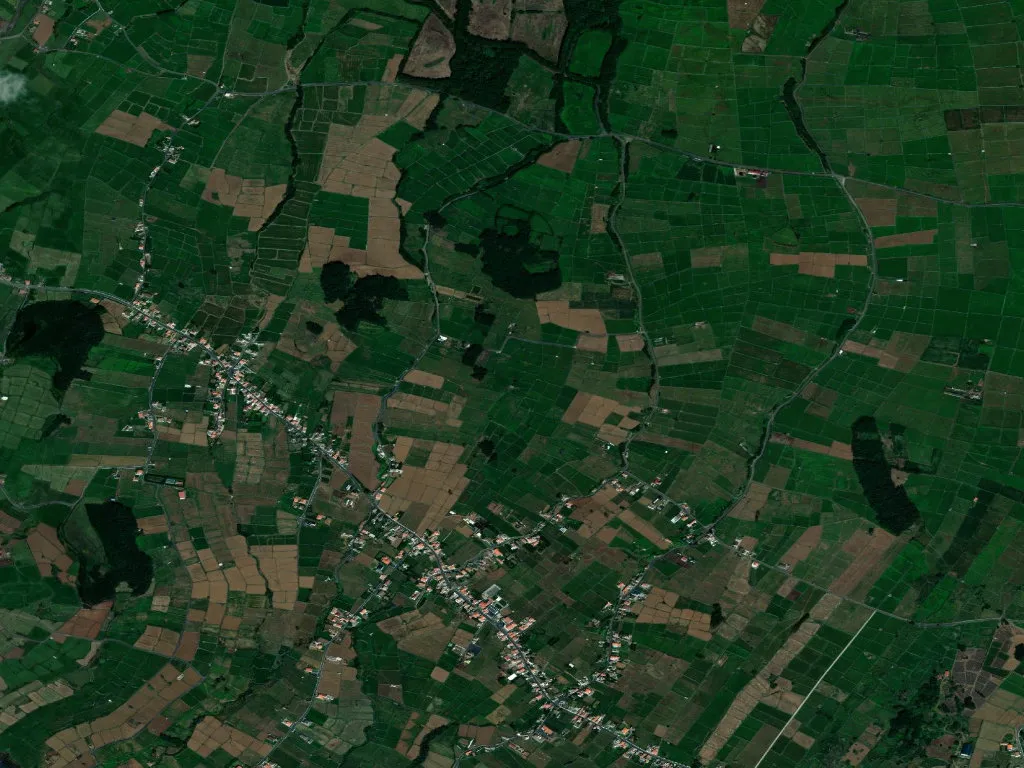
In barely seven kilometres the land vaults from sea level to 1,021 m. Three streams—Mouro, Cinco, Praia—slice through basalt cliffs and dairy pasture where Freisian cows graze within earshot of crashing surf. Even in August the water keeps running. The trailhead for Santa Bárbara leaves from behind the Vaquinha cheese factory: 900 m of ascent in four kilometres; pack a windproof—the breeze flips 180° on the rim.
Milk, Curds & Catch
683 people, 1,079 hectares. Vaquinha buys every litre of local milk and sells DOP-cured cheese over the counter, Mon-Fri 8-5. At the tiny harbour three boats still land black scabbardfish and blue marlin; the catch is trucked straight to Angra’s market—there are no restaurants here, only the smell of brine and diesel.
Walk, Then Swim
The PR05 coastal path links the harbour to Ribeira do Mouro: 2.5 km, 45 min, slippery clay after rain. Swim in the natural rock pool beside the pier—black sand floor, cold water, a gentle northerly drift pulling you toward the next inlet.