Full article about Posto Santo: Terceira’s moss-soft highland where fog muffles
Angra’s youngest parish hides in cloud-draped paddocks, porcelain-warm espresso and silence
Hide article Read full article
Where the Fog Learns to Walk
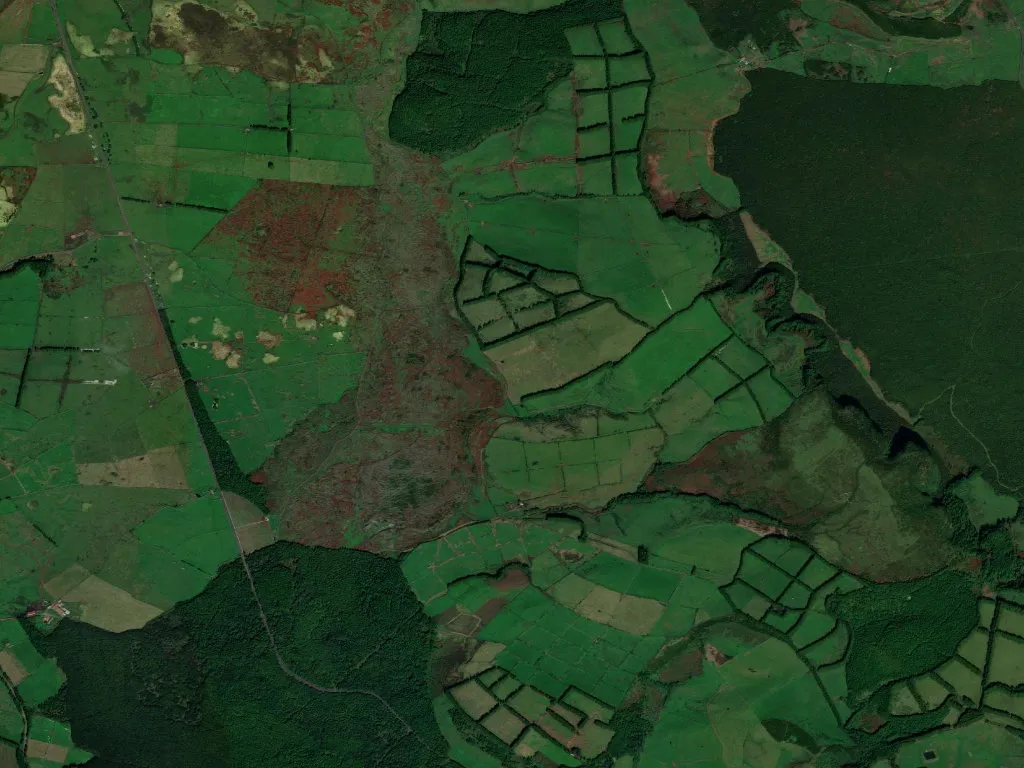
The mist arrives at ankle height first, spiralling up the paddock like steam off an espresso when someone shoulders open the door of Café Paraíso on a drizzly morning. At 482 m, Posto Santo is one of the rare corners of the Azores where the Atlantic is reduced to rumour: you neither see it, smell it, nor hear it. The same bottle-green slopes roll on, yet here the green seems to carry more moss in its soul and less salt on its skin.
How the mountain was baptised
Until 1980 the hill was simply “up above Santa Luzia”. Surveyors drew a line round the houses and invented a parish, but locals still say “I’m going up to the Post” the way you announce a visit to the uncle who chose solitude. Elders argue the name comes from a wayside cross, or perhaps a tiny shrine—no one can swear, because time and dew erase ink and memory with equal disdain.
Geography in soft focus
Living inland in the Azores is like turning vegetarian at a pig-roast: doable, but it invites questions. A head-count of 1,031 souls is performed by neighbours who notice a light left on. The thermometer slips three or four degrees below Angra’s, so wool reappears in May and is folded away only in October. Fog draws its curtain; when it lifts, yesterday’s cows stand in the identical spot—only wetter.
Last, but not least noticeable
Posto Santo is the municipality’s newest parish, though nothing advertises the fact. Houses keep their low doors and colour-trimmed windows. There is no belvedere with stainless-steel railings, no souvenir shack. Instead, Zé’s bar serves an espresso whose real gift is the porcelain warming your palm, and a dirt lane climbs to summer pastures where the phone loses signal—blessing to some.
Motorists arrive convinced they took a wrong exit; walkers know they did not: the hush is the right hush, the scent of damp basalt is correct, and the only soundtrack, if any, is the church bell tolling the hour to an audience of fog.