Full article about São Brás: Verdelho vines shaped by Atlantic gales on Terceir
Climb to the 182 m plateau where stone corrals tame the wind and grapes taste of salt and lava
Hide article Read full article
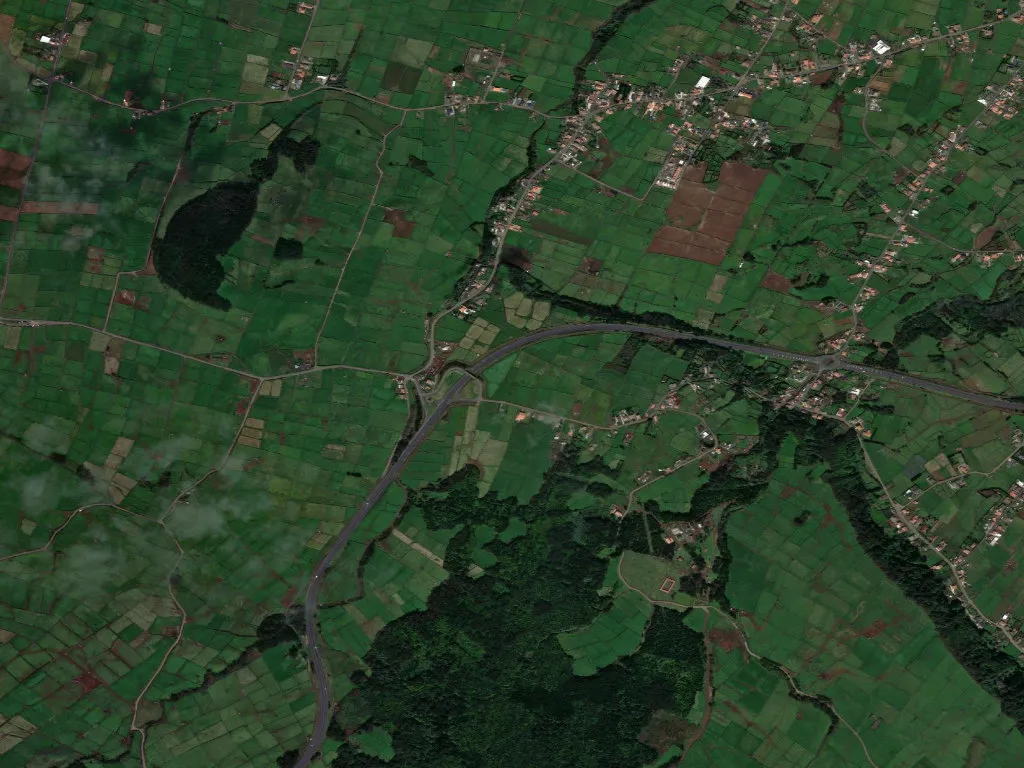
The wind skims the basalt walls, a low, insistent breath that has pruned every vine in São Brás since the 1500s. Inside the curraletas—knee-high stone corrals unique to Terceira—the Verdejo leaves flicker silver-green, tasting of Atlantic salt. At 182 m above the south coast, the plateau feels like a deck of an aircraft carrier pointed straight at the weather: grapes ripen in a hair-dryer breeze that can jump to forty knots without apology. Walk the rows in late August and the air is part fermenting must, part volcanic iron—the smell of a landscape that has learned to bargain with violence.
Stone, Faith and Burnished Gold
The parish church rises from the basalt grid like a ship righted after storm. Begun as a 1520s chapel, it absorbed Manueline carving and 18th-century gilt in equal measure; the altar rails twist with seaweed-scrolls you’d expect to find in Belém, not on a wind-scoured island. On 3 February the feast of Saint Blaise—bishop, martyr, throat-healer—packs the nave with 200 voices and the slow percussion of feet on black stone. Outside, the settlement is barely larger than a London council estate: 1,035 souls, 42 per cent over sixty, every house numbered in the same pale-blue tile. Private chapels the size of garden sheds project from gable ends; their bells toll the Angelus at staggered times, so the sound circles the plateau like a slow-motion round.
Holy Ghost Soup and Shared Tables
From Easter to Trinity Sunday the Holy Ghost Brotherhoods turn São Brás into an open-air refectory. Processions led by a brass band and a crown of white doves stop at every farm gate; aluminium cauldrons of sopas do Espírito Santo—cabbage, mint, hunks of pot-boiled beef—are ladled onto tin plates for whoever queues. The yeast cake baked the night before is leavened with cinnamon, lemon zest and the island’s own sugar-cane rum; eat it warm and the crumb sticks to your ribs like insulation. In the two remaining wine sheds the Verdelho ferments in chestnut barrels whose staves still smell of the forest above Angra. No pumps, no stainless steel: the grapes are foot-trod, the cap punched down with a basalt boulder that has served four generations.
Dry-Stone Labyrinths and Lava Memories
São Brás is a UNESCO geopark in miniature. The dry-stone walls—some waist-high, some shoulder-high—plot a topographical map of land hunger: every plot a polygon wrestled from gorse and wind. Trachyte dykes knife through pasture like the keels of wrecked ships; closer to the cliff, red trachyte gives way to ropey pāhoehoe basalt last spilled 15,000 years ago. Cryptomeria windbreaks throw long shadows over dairy pastures; their needles collect Atlantic mist and drip-irrigate the grass. Follow the irrigation levadas south-east and you reach an unsignalled miradouro where the plateau shears away to reveal Praia da Vitória’s runway and, beyond it, the cobalt trench that keeps the Azores British-weather mild.
Twelve-String Duels at Closing Time
On Saturday nights the bar on Rua da Igreja pushes tables aside for cantigas ao desafio—improvised sung debates delivered over a viola da terra, the twelve-stringed Azorean guitar whose top course is tuned to the same interval as a ukelele. Two singers trade quatrains about love, emigration or the price of milk; the crowd decides the winner by applause volume. By midnight the room smells of wet basalt, tobacco and sweet coffee; someone’s grandfather is still humming the refrain as the lights go off. Outside, the wind resumes its solo, rattling the telegraph wires like slack guitar strings.