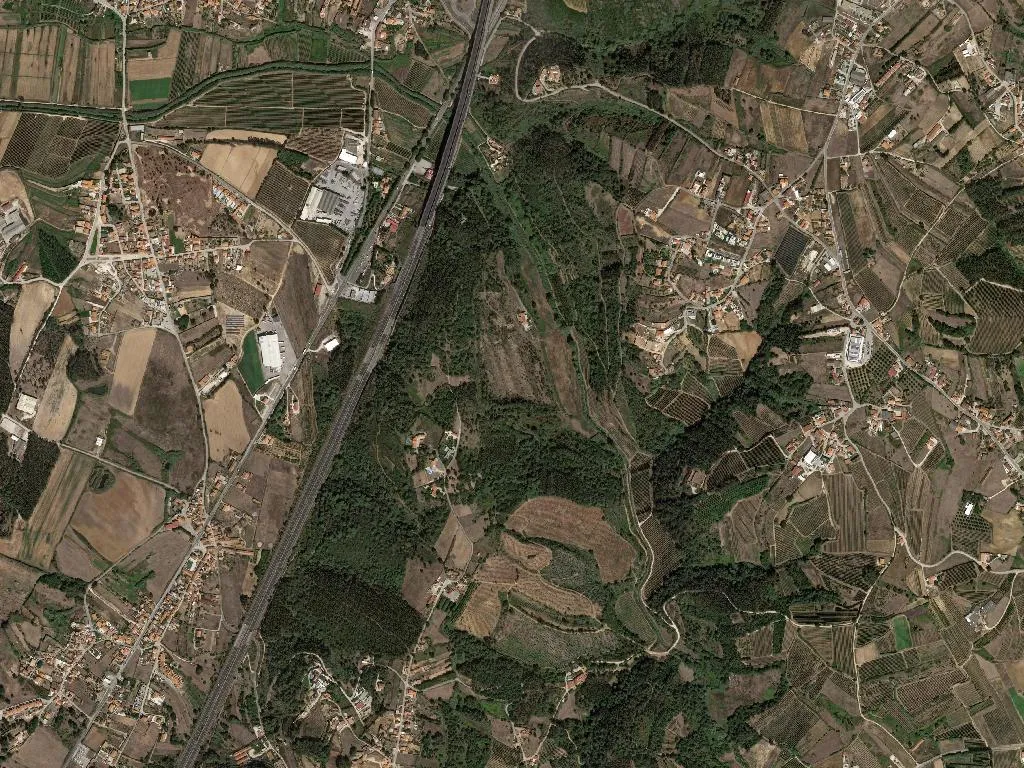
Full article about Alfeizerão: Lettuce Rows, Limestone & Ginja Nights
Alfeizerão, Alcobaça: smell liquid fertiliser at sunrise, taste Paula’s ginja at night, walk Torres pilgrims’ limestone shards.
Hide article Read full article
The smell is not pastoral romance; it’s liquid fertiliser atomised by sprayers, catching on cotton when the Atlantic wind swings east. Mr Joaquim’s greenhouse—first on the left after the railway bridge to Juncal—still carries October’s storm scar: a ragged metre-long tear that flaps like a surrender flag. Inside, Brazilian funk from RFM competes with the snap of lettuce hearts being severed. Knees are wet, knuckles mauve with cold. By 05:40 the daily charter has already dropped off its cargo of labour: Brazilians, Ukrainians, women from the council estate in Vestiaria who share a hired 4×4 and a thermos of café com cheirinho. Alfeizerão’s 3,669 residents are technically awake, but only because 112 of them are bent over salad rows.
Ground rules
The 438 under-thirties are elsewhere—Lisbon call-centres, Leiria car-parts factories, a handful in the RAF. What remains is a ratio of one pensioner to every two hectares: Zé Mário, vertebrae compressed after four decades lugging 15 kg crates; Albertina, still sharp enough to beat the mayor at dominoes but unable to tie up tomato vines without a grandchild’s help. The celebrated Maçã de Alcobaça you see on upmarket deli labels is the same fruit Elisabete advertises on Facebook Marketplace—“£4.50 for 5 kg, meet you at the BP pumps, no Sunday requests”. Paula’s ginja cherries come from a single tree her father planted the week she was born; now she decants the fiery liqueur between feeds for a three-month-old and fish fingers for a six-year-old. The olive oil, bluntly, isn’t local—her Ribatejo-born husband brought 200 Arbequina saplings as dowry and the couple haul the crop thirty kilometres west to a cooperative press in Benedita.
Scratch the topsoil anywhere and you hit limestone—splintery white shards that snap cheap spades, get bulldozed into roadside heaps, reappear months later in nouveau-rustic garden walls when render is unaffordable.
Passage & permanence
The Torres pilgrimage route—an alternative off-shoot of the Camino that slips inland from Porto to Santiago—does technically pass through, yet no one calls it that. Locals term it the “Spanish track” and measure its significance in plastic bidons refilled at garden taps and the occasional request for a compost-loo hedge. There is no hostel, no pastelaria, just a Coca-Cola vending machine inside the Intermarché forecourt that has blinked “error 14” since 2018. The parish’s 47 registered beds are debt-reduction schemes: spare rooms with kettles, Wi-Fi named after grandchildren, €28 on Booking, no breakfast. The nearest cultural heavyweight is eight kilometres east: the Cistercian abbey at Alcobaça, £8.50 to enter, lavatories immaculate.
Listed heritage? A granite spring known as Carrasca where women once bashed shirts on stone slabs; today it serves as drinking fountain for hunting dogs and target practice for stone-throwing eight-year-olds honing their amphibian aim.
Taste of paperwork
Gastronomy is whatever escapes export grade. Windfall pears—too scarred, too sugary for Brussels specs—are the ones that dribble chin-wards. Ginja is sold in recycled Volvic bottles with home-printed labels stuck on with Pritt Stick. Olive oil starts life in a five-litre drum at the co-op, then graduates to emptied jam jars. The DOP stamp earns Lisboeta shoppers an extra 50p; here it is simply “from the tree at the bottom of the field”.
By 18:00 the Brazilian crew are bumping back down the N8, Zé Mário’s tractor exhales its last diesel sigh and dogs reclaim the lanes. The torn greenhouse plastic snaps in the evening breeze like a loose jib. Somewhere a phone pings: Elisabete has another 15 bags to deliver before breakfast.