Full article about Cela’s granite ovens & pear-scented dusk
Orchards hum with Pêra Rocha harvest as Canal do Alviela waters limestone-karst Cela
Hide article Read full article
Granite that holds the afternoon heat
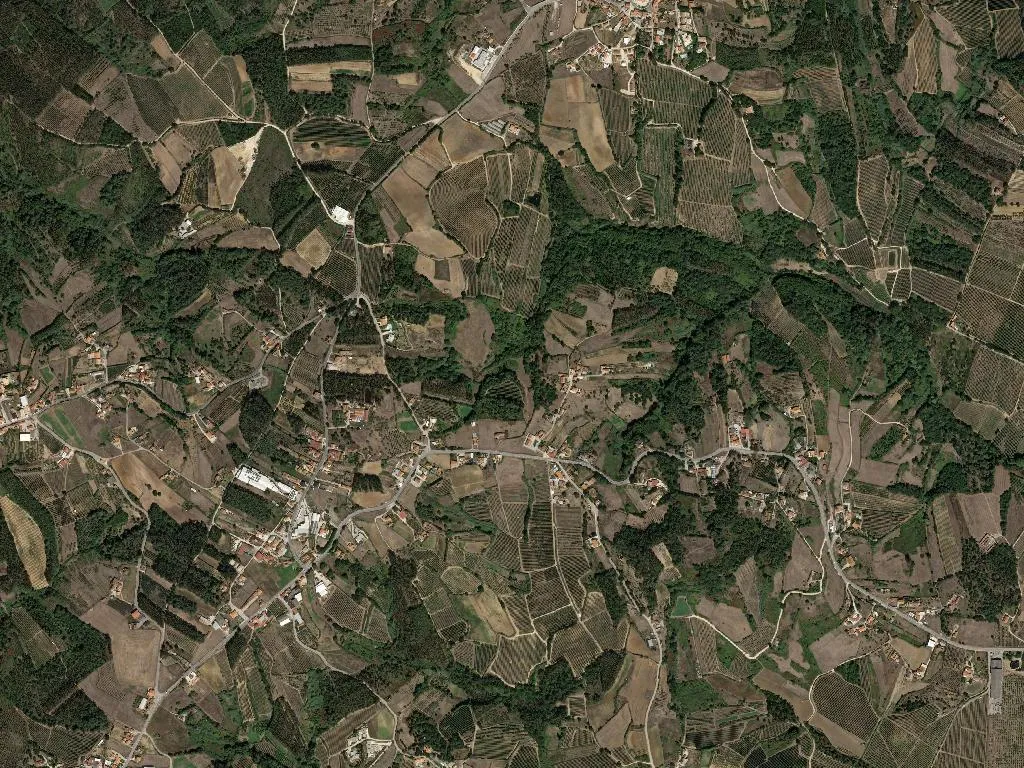
The granite walls release their warmth as the sun drops, but it’s the scent of the wood-fired oven on Rua da Igreja that tells you, without looking, that it’s half-past four. Clocks are redundant here: time is measured by the daily loaf, absent only on Mondays. Below the village, orchards spill down the slopes in no particular hurry—pear boughs so low that children can vault upwards and snag fruit, apple trunks tattooed with the initials of grandchildren who now holiday in the Algarve. At 156 m, caught between the limestone plateau and the coastal flats, Cela still moves to the rhythm of irrigation: when the Canal do Alviela releases its flow, farmers sprint to the mango plots to crank open the sluice gates.
A pear you taste on the tree
These aren’t generic orchards; they are 400 ha of DOP-protected Pêra Rocha that only here acquire that faint sandy crunch between the teeth. Try one straight from the tree beside a supermarket specimen and the difference is instant. Harvest begins the second week of August and cash changes hands on the spot—60 cents for an 18 kg box, grade 60. Aluminium ladders clatter against branches with a percussion audible a valley away; in the vans, lads dangle bare feet from passenger windows to dry the sweat. The sweet perfume of ripe fruit mingles with the burnt-sugar drift of torched sugar-cane—the last relic of the old property boundaries, now replaced by boar-proof black fencing.
Where the ground swallows things
North of the village, the municipal road ends at Casal do Pão—beyond that, only broom and schist. The nearby Estremadura limestone karst has bored swallow-holes through the landscape. At Fonte Nova, a whirlpool of water vanishes into a shaft no one has bottomed. Sr António at café O Pátio recalls descending 15 m on a rope in his teens, “but the air turns different down there” and he climbed back out. The area falls within the UNESCO-designated West Portugal Global Geopark, yet locals simply call it o carrasco—the executioner—because it’s where donkeys, footballs and, last summer, a brand-new tractor disappeared.
The Torres footpath—a lesser-trod variant of the Camino—skirts the village, but walkers push on to Pedreiras where there’s an albergue. Cela offers only Dona Lúcia’s guesthouse, and dinner is conditional: order by breakfast. Loose-stone walls buckle into the grass; the men who once repaired them now send remittances from Setúbal’s auto plants or from construction sites in Newark. Granite way-markers still carry the Cross of Santiago, but the carved date—1987—commemorates João the veg-seller’s €15,000 lottery win, not pilgrimage piety.
Who stays, who leaves
The parish roll lists 3,075 souls, but 400 of them exist only on paper—Lisbon rents can’t be met on a €460 pension. The demographic seesaw has slammed to the elderly end; when a house shutter painted municipal blue swings open, it is usually a grandson on fortnight leave from France, letting the mildew breathe.
The only listed monument is the 16th-century Igreja Matriz, yet the village’s true civic heart is the bench-filled square where men convene at nine sharp to allocate the day’s work—who will pick grapes in Pagosas, who needs an olive-harvest partner, who will drive to the Alcobaça health centre because the nurse comes here only on Wednesdays. On Saturdays the communal clay oven smokes again: Dona Alice still bakes loaves raised from the same mother starter her son smuggled to New Jersey in 1992. “Tap water’s chlorinated—it kills everything,” she warns, ladling liquid from her grandfather’s cistern.
Dusk slips behind the plot where Sr Joaquim keeps two weather-beaten hives, and the bell of Nossa Senhora da Conceição throws its bronze note across the valleys. Tractors clatter home, grandmothers holler children indoors, and a hush settles that isn’t silence at all—it is the measurable pause between the last cicada and the first watchdog’s bark. Cela offers no epiphanies; it simply persists, day after day, as long as someone remembers that the only valid tasting note for Pêra Rocha is taken from the branch, never from a boardroom.