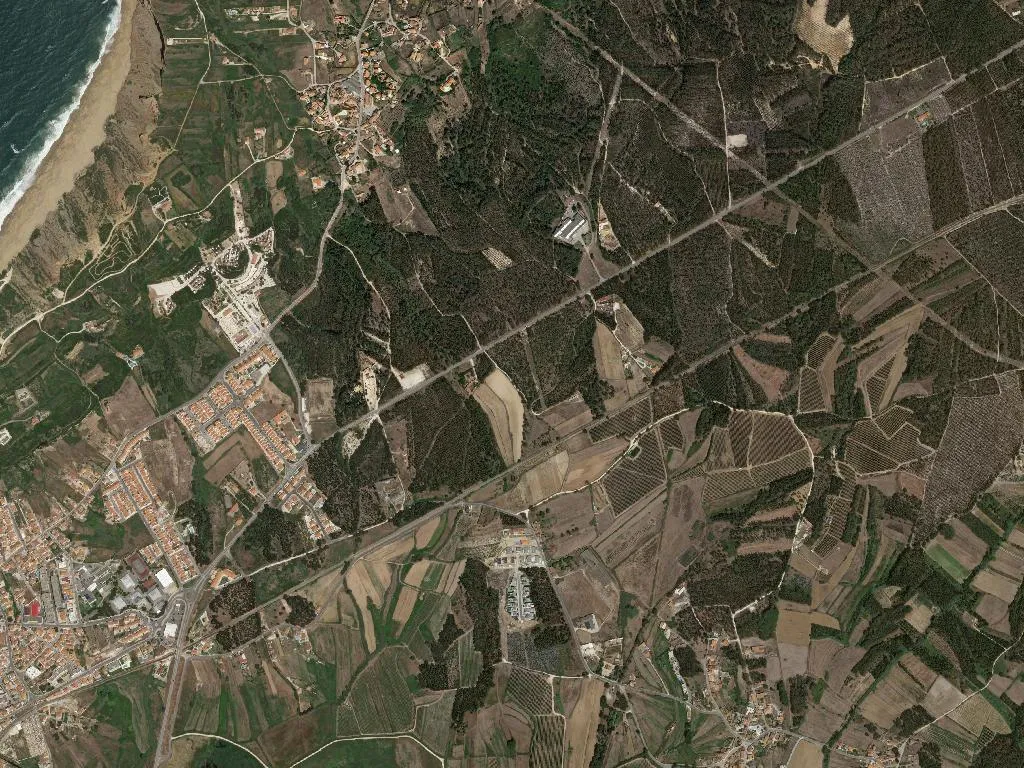
Full article about São Martinho do Porto: the bay that breathes
São Martinho do Porto cradles a 3-km scallop bay of warm, flat water, biscuit sand and a 1320 limestone church; Alcobaça’s abbey orchards lie 12 km inland
Hide article Read full article
The shell’s morning light
Morning light slips through the lip of the bay. No metaphor: São Martinho do Porto really is a scallop, a flawless three-kilometre curl of sand that pinches shut at the mouth, leaving only a 150-metre slit where the Atlantic inhales. Inside the hinge the water is flat, mirror-still, a nursery pool warmed by the sun. Outside, the ocean keeps its own counsel, breaking on invisible reefs. At just 18 m above sea-level the parish offers what the rest of this coast rarely does – absolute shelter.
The sand is powder-fine, biscuit-coloured and, when damp, firm enough for a toddler’s balance bike. Parents walk the tide-line without taking off their shoes; children charge in because there is no shock of cold and no rip to tug them away. Grandparents occupy the blue-painted benches that face the water, timing the slow shuttle of fishing skiffs against the metronome of the tide. When it turns, the entire bay drains in a polite whisper, exposing a mirror-polished stage for sandpipers and early-morning yoga classes.
Stone, faith and seven centuries of salt air
The parish church has stood since 1320, its limestone blocks cut from the same reef that guards the bay. Inside, the air is cool enough to keep winter in reserve; sunlight slips through 1970s stained glass and pools like spilled sangria on the stone floor. Mass is infrequent, but if you want to look around knock at number seven: Dona Idalina keeps the key and will wipe flour from her hands to let you in.
Twelve kilometres inland, the Cistercian abbey at Alcobaça governs the horizon. Founded in 1153, its scale still feels administrative rather than devotional – a medieval civil service built on tithes, irrigation and apples. The monks drained marshes, plotted canals and turned the valley into a market garden whose trademarks survive: DOP olive oil from Ribatejo, Pêra Rocha pears, Alcobaça IGP apples that still carry the perfume of orchard frost. Thursday’s market in the abbey’s shadow is the largest between Lisbon and Coimbra; arrive before nine and you will see chefs from Porto loading vans with specimens whose blemishes have been polished away on the sleeves of producers’ coats.
Salt, fish and ginjinha
Lunch obeys two compass points: the Atlantic due west, the orchards at your back. Order dourada or robalo grilled over vine-prunings, the flesh lacquered with olive oil that sets like molten topaz. Restaurant O Farol has the view, but locals send you round the corner to Tasquinha do Zé – no terrace, half the price, same boat. Finish with a thimble of ginjinha, the sour-cherry liqueur that stains lips the colour of bull’s blood. At Café Central they serve it in a dark-chocolate cup; the gimmick works because the chocolate is 70 % and the liqueur 22 %.
In late August the pear trees sag under Pêra Rocha, a nineteenth-century cultivar invented a few parishes away. The fruit snaps like celery, releases juice sharp enough to make you blink, and travels better than any postcard. At Mercearia O Pingo they are still wrapped in indigo paper, weighed on cast-iron scales last calibrated in 1974.
Ways across and ways out
The Torres variant of the Caminho de Santiago cuts through town, way-marked with yellow arrows and scallop shells. Pilgrims halt to soak blistered feet in the lukewarm bay, refill bottles at the granite font by the primary school, then sleep in the municipal albergue on Rua da Escola – leave what you like in the honesty box.
If your boots are simply walking shoes, head east to the limestone scarps of the Serras de Aire e Candeeiros Natural Park. Trails pick through holm-oak and Mediterranean dwarf-pine, past fossilised oysters clamped to 180-million-year-old reef and sinkholes big enough to swallow a tractor. The Fossil Route at São Bento is a 5 km loop with interpretive boards; carry water because the only café is a mirage of whitewash and shuttered windows.
When the shell closes
At dusk the beach empties and the bay becomes a sounding board. Gulls wheel overhead, their calls ricocheting between limestone walls. Lights switch on in the apartments that rim the promenade and the water doubles them – sodium orange, LED white, the occasional flicker of a candle on a balcony. Fishermen appear with head-torches and short rods, casting for seabream that hunt the slack tide. The conversations you overhear are domestic – the price of sea bass, whether the council will dredge the channel, who is marrying whom in October. Summer visitors have gone; the shell has sealed itself for the night, and the Atlantic keeps breathing through the narrow keyhole you cannot see but always hear.