Full article about Vimeiro
Limestone crosses, frost-sweet cabbage rows and goat chanfana in an Alcobaça hamlet frozen in 1227
Hide article Read full article
Sound of soil
At 11 o’clock sharp the single bell of S. Pedro’s Church carries only as far as the parish boundary—two kilometres of orchards and cabbage rows. Villagers meet beside the limestone cruzeiro carved in 1734; Mr Joaquim is already turning the earth in his back plot, planting winter greens that will sweeten after the first frost.
Vimeiro first appears in the ledgers of Alcobaça Abbey in 1227. The stream still fringes itself with osier, but no one has woven a basket here since the 1960s. When the A8 sliced past 5 km away, the planners forgot to add an exit; the land stayed agricultural and the tractors still out-number the cars.
Church & chapel
The parish priest unlocks the mother church at eight for Sunday mass. Gold leaf flashes from the Baroque retable, yet it is the tomb-cold flagstones that dominate—bring thick socks between November and March. Our Lady of the Conception chapel opens only once a year, on 8 December, when the pilgrimage procession follows stone crosses across the beaten-earth paths.
Festivals
S. Pedro, 29 June: procession at five, then pork-steak sandwiches (€3) and fireworks on the football pitch. The Bread Fair died out in the 1990s, but the social-club café still bakes walnut cakes for 50c with every espresso.
Where it sits
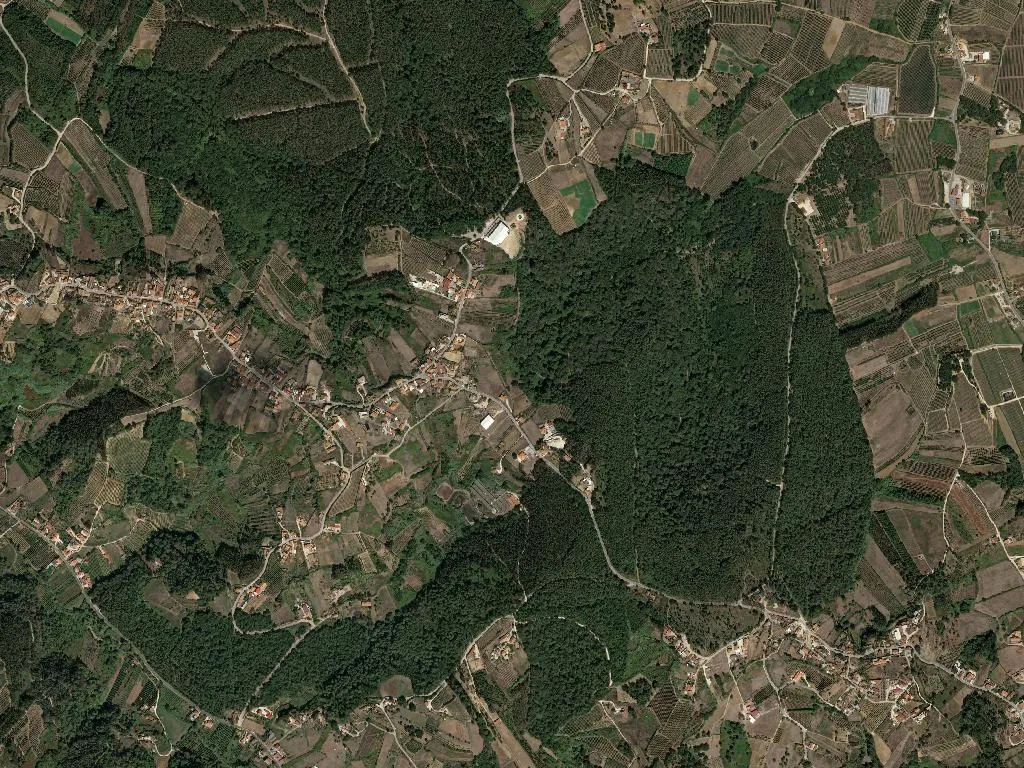
Fifteen kilometres north-east of Alcobaça, 200 m above sea level. The Torres pilgrim route—the stage before Aljubarrota—cuts through the settlement. Apple and pear groves cover three-fifths of the working land.
What to eat
Tasquinha do Vimeiro serves goat chanfana on Wednesdays (€10), clay-pot soup from November to March. The olive oil hails from Ribatejo but is pressed in Fátima. The 1887 well has been dry for decades; retirees now use its rim as an open-air parlour. Last orders at the café are at eight; the only bed in town is D. Lurdes’ guest room—€35 with breakfast, booked on 262 598 234.