Full article about Maçãs de Dona Maria: olive groves echo royal mistress
Maçãs de Dona Maria, Alvaiázere, hides a 13th-century royal love story beneath olive groves, river beaches and a weather-worn pillory.
Hide article Read full article
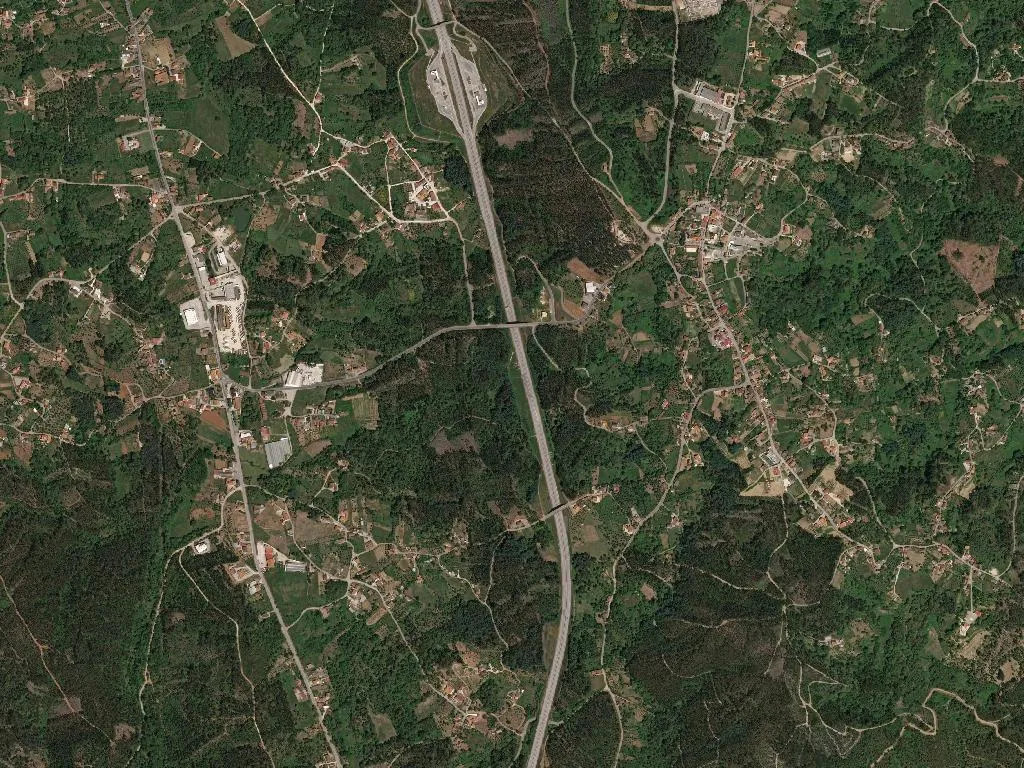
The granite setts of the main street still carry the ghost prints of pilgrims bound for Santiago, hawkers’ carts and women balancing water-jars. Maçãs de Dona Maria rolls at 297 m above sea level, a slow swell of white houses where slate glints at the corners, stitched by olive groves that slide down to the Ribeira de Alge. Dawn is measured by a single bell from São Paulo church and the low gossip of water over stone.
The woman who left her name
In 1200 King Sancho I handed these lands to Maria Pais Ribeira – his mistress and mother of his illegitimate children – and the parish still answers to her first name. A royal charter followed on 12 November 1514, turning the settlement into one of the Five Towns of the Chão de Couce judicial district; it kept its own town hall until 1855. The weather-worn pillory in the square is the surviving witness to that lost autonomy.
Houses that speak
The 18th-century manor of the Pimentel-Teixeira family lifts a carved coat of arms above the doorway; a few steps away the Manueline wayside cross marks both a road junction and a claim on territory. Inside São Paulo, wax-polished wood and centuries of incense drift through cool gloom. In the outlying hamlets—Barqueiro, Cabeças, Carvalhal, Relvas, Serra de São Neutel, Vendas de Maria—tiny chapels throw one-day festivals that still pull neighbouring parishes to dance in the dust.
Water and olives
The Alge river cuts a green gorge through the schist; its river-beach gives swimmers glass-clear pools and shade from white poplars. Terraces of century-old olives supply Azeites do Ribatejo DOP, an oil the colour of liquid straw with a peppery catch at the throat. There are no cliffs or grand vistas, just an undulating olive-coloured calm that rests the eye.
Path and memory
The Central Portuguese Way of St James crosses the parish; walkers pause at the Fonte do Pereiro to refill bottles with cold spring water. The local folk-dance group has turned its rehearsal hall into a micro-museum of ox-yokes, festival skirts and faded photographs of horse-drawn processions. With 1,495 residents spread across 24.5 km²—607 of them over 65, only 103 under 20—abandoned cottages outnumber new roofs, yet every vegetable patch is hand-weeded and irrigated by a shared hose.
Evening slants across the terracotta tiles and turns the olive crowns bronze; the church bell counts the hour, the sound rolling unanswered through the valley.