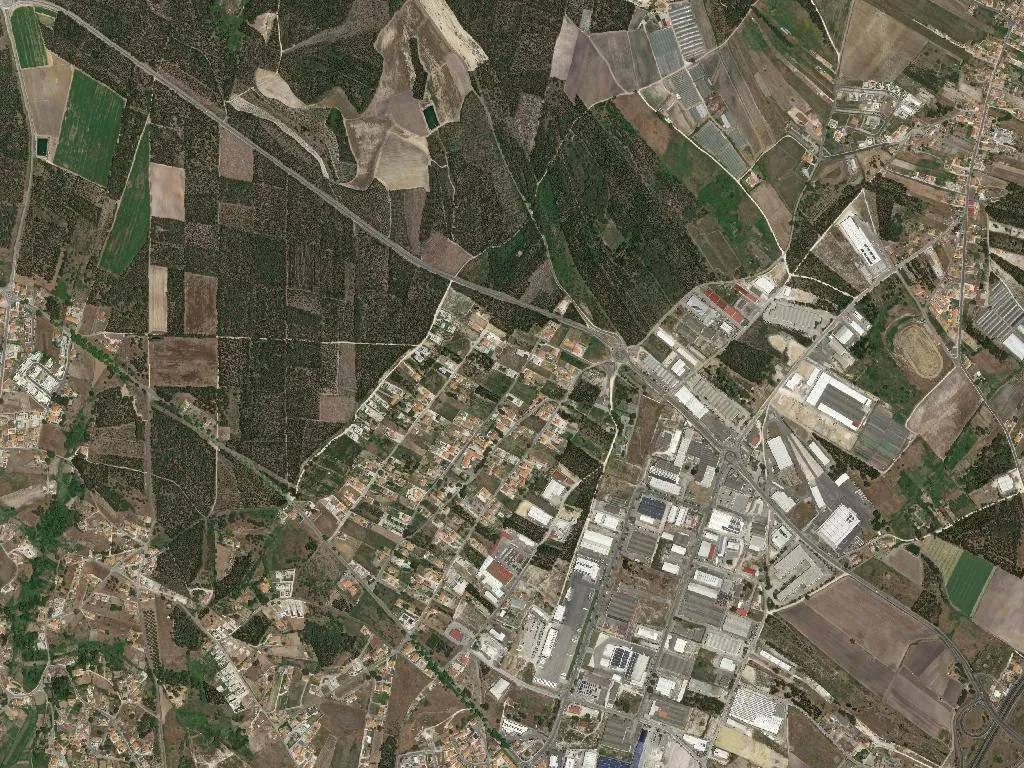
Full article about União das freguesias de Caldas da Rainha - Santo Onofre e Serra do Bouro
Feel 42 °C thermal vapour rise through Caldas da Rainha’s cobbles, then hike Serra do Bouro’s fossil-strewn ridge for ocean panoramas.
Hide article Read full article
Caldas da Rainha — Santo Onofre & Serra do Bouro: Where the Ground Breathes
On January dawns, wisps of vapour rise between the cobbles behind Praça da Fruta. It isn’t mist; it is 42 °C water meeting winter air, the same sodium-bicarbonate spring that convinced Queen Leonor to found Europe’s first royal thermal hospital here in 1485. Step gently and you can feel the warmth through your soles long before you reach the stone spout where locals still fill plastic carafes for kidney-tonic tea.
A hospital born from a roadside cure
The story is famous—while riding to Óbidos the queen noticed sufferers bathing in a muddy pool and, within months, had erected wards and a chapel—but what matters is the continuity. The present-day spa, remodelled in 2016, sits exactly on the footprint she chose. Inside, the scent is a blend of eucalyptus inhalation vapours and the faint sulphur that clings to towels. Treatments follow the medieval script: timed immersions, graduated showers, glass-cupped inhalations for bronchitis, all delivered under tiled panels painted with Bordalo Pinheiro’s feverish frogs. Four listed monuments are scattered within a five-minute walk, so prescriptions routinely include “five laps around the Baroque church, then coffee at Pastelaria Central”.
The ridge once named for wild boar
Serra do Bouro stretches west until the Atlantic interrupts. The name survives from the days when wild boar outnumbered farmers, but the scrub has been tamed into a patchwork of smallholdings where drip-irrigation hoses snake between Pêra Rocha espaliers. At 180 m the ridge is modest, yet the Jurassic limestone has been quarried since Roman times and still yields oyster fossils that children collect like lucky coins. Marked footpaths—PR4 “Rota da Boa Vista” is the easiest—thread through abandoned threshing circles (eiras) and out to a picnic terrace that drops suddenly into ocean. On clear winter afternoons the Berlengas archipelago floats on the horizon like a charcoal smudge.
The orchard triangle: pears, apples, sour cherries
Three protected denominations overlap here. Pêra Rocha do Oeste, the russet-blushed pear that resists bruising, is boxed in the field and driven nightly to Covent Garden market. Ginja de Óbidos, the sour cherry, is steeped in aguardente for 18 months until the stones bleed almond flavour; drink it chocolate-cupped in the medieval village, then keep the cup. Alcobaça apples, streaked with acid green, appear in British supermarkets under the brand “Porto Crusader”. Between April blossom and October harvest the air smells like warm fruit skin, and farm gates sell 5 kg bags for the price of a London coffee.
Coastal pilgrims cutting inland
The Caminho da Costa of the Portuguese Way enters the parish at the 18 km mark from Óbidos Lagoon, ferrying hikers who have traded Lisbon’s suburbs for cliff-top boards. Fifty-four beds are scattered across guest rooms and small apartments—nothing glossy, just sheet-dry linen, a kitchen to cook supermarket squid, and a bus back to the coast if blisters mutiny. The parish council issues a credential stamp decorated with a stylised pear; by July the pages are saturated with purple ink and sea salt.
11,902 people, four daily rhythms
Census data reveal 1,630 under-15s and 2,364 over-65s, proportions that shape the soundscape: lunchtime school chatter, late-morning clack of walking sticks on calcada, the pneumatic hiss that signals another coachload of rheumatic visitors to the spa. Density sits at 432 inhabitants per km²—high enough for a brasserie strip on Rua Almirante Cândido dos Reis, low enough that parking is still negotiated with a nod rather than an app. Evening light, unfiltered by hills or high-rise, lingers so long that photographers complain it flattens shadows; residents simply close the shutters later.
Leave at dusk and you carry two souvenirs you never bought: the granular snap of Pêra Rocha between tooth and tongue, and, somewhere in the arches of your feet, the echo of that subterranean heartbeat—water travelling, still hot, under 63 m of limestone, insisting the ground breathe while the city sleeps.