Full article about Landal: Where Quail Outnumber People 938 to Ten Thousand
Limestone sheds, cereal plains and dawn birdsong define this Caldas parish
Hide article Read full article
The birds that ring the dawn phone
At six a.m. Landal’s 938 souls are roused by a ringtone that no one has downloaded: the sharp two-note rasp of ten thousand quail, a sound like a Nokia struggling to whistle. Four out of every five coturnix served in Lisbon restaurants are hatched, reared, vacuum-packed and trucked from this single square kilometre of limestone plain. Tours of the incubation rooms are possible, but you must email ahead; this is not a petting zoo, it is a 24-hour poultry plant that counts chicks the way barmen once counted escudos.
From grain fields to “white gold”
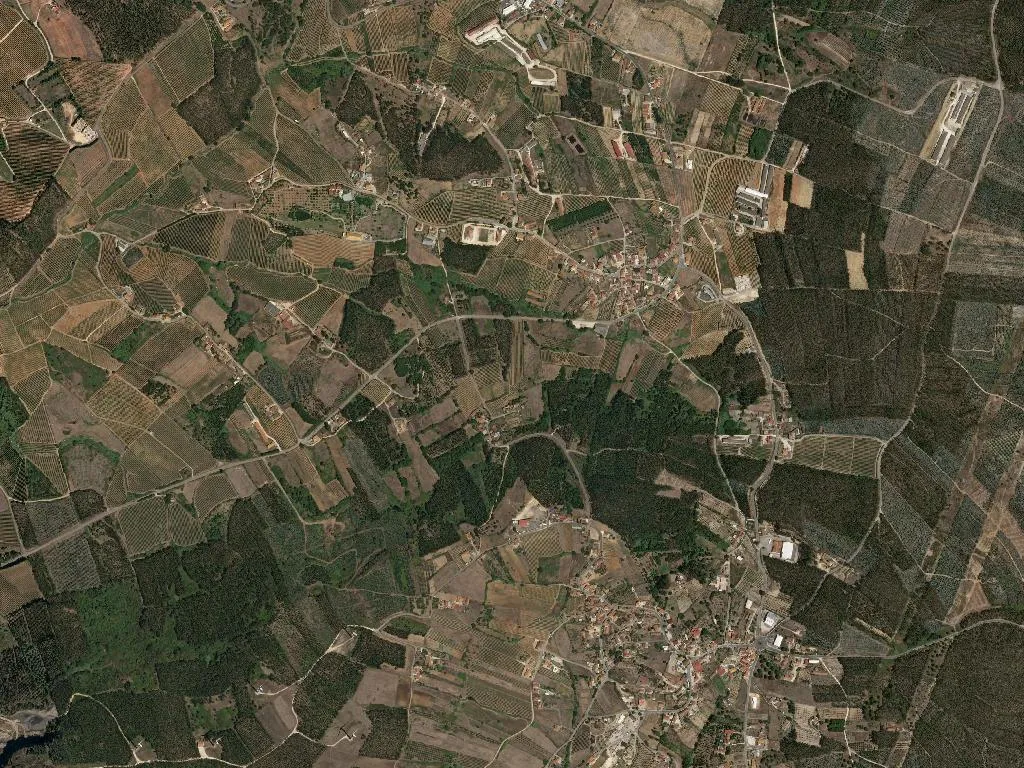
The name is a contraction of the Latin landa – open field – and that is exactly what you get: 1,100 hectares of cereals, orchards and low white barns that hum like data centres. Until 1890 the village sat inside the walls of Óbidos; then a bureaucrat drew a new line on the map and Landal migrated, chair in hand, to Caldas da Rainha municipality. Cereal wages kept the parish council solvent until the 1970s, when the first quail sheds arrived. Locals still joke that the president’s father-in-law thought the inaugural shipment contained sacrificial hens for the August procession; instead they were laying hens for what is now marketed, without irony, as the “white gold of the West”. (Gold does not defecate; quail do – copiously.)
Breathing room at 92 per km²
Population density here is one resident every eleven hectares, a figure Lower Manhattan achieves in a single lift lobby. Of the 938 inhabitants, 248 are over 65 and still divert irrigation streams from the Alviela dam to grow curly lettuces; 112 are under 18 and learn their times tables in Santa Catarina before transferring to the secondary school seven kilometres away in Caldas. Their first ride-sharing experience is Uber; the municipal bus is a rumour. Google Maps surrenders at the first farm track; follow your nose instead – nitrogen from the sheds in the morning, orange blossom from the orchards after rain.
Pears, apples and cherry liqueur
The same free-draining limestone that flavours Landal’s quail also grows two DOP-protected fruits: Rocha pear and Alcobaça apple. Growers will tell you the apple needs a bite of mountain air to sweeten; what they mean is the chill that rolls off the Serra dos Candeeiros at dusk. North of the village the coastal pilgrim route to Santiago diverts walkers through Óbidos, where cherry-branded chocolate shops fire liquid ginjinha from cannons. Landal keeps it simpler: 200 ml bottles of the liqueur are handed to visiting vets at Christmas, and the only starred dish is a toast topped with cured ham and a softly fried quail egg – available only if Sr António remembers to bring a tray from his backyard coop.
Almost-Óbidos
Way-markers for the Caminho da Costa skirt the village boundary; overheated hikers collapse beneath eucalyptus and ask, “Is this Óbidos?” The reply is gentle: “Almost – but we don’t fire chocolate at you.” Offer them tap water, point them toward the ridge and add, “When the smell of manure gives way to pine, you’re climbing into the serra.” Those who stay for the evening see the sun flatten against the whitewashed church, the quail chorus drop an octave, and understand why no one has traded this silence for a shopping-centre food court.
At half-past five the shift changes; the birds raise their voices again. It is not a parish anthem, merely the sound of 938 people choosing, every morning, to remain the quiet engine of Portugal’s brunch plates.