Full article about Santa Catarina’s wood-fired kid and pear-scented dusk
Limestone church, clay-oven feasts and orchards between Caldas and Alcobaça
Hide article Read full article
Woodsmoke and apple orchards at 135 m
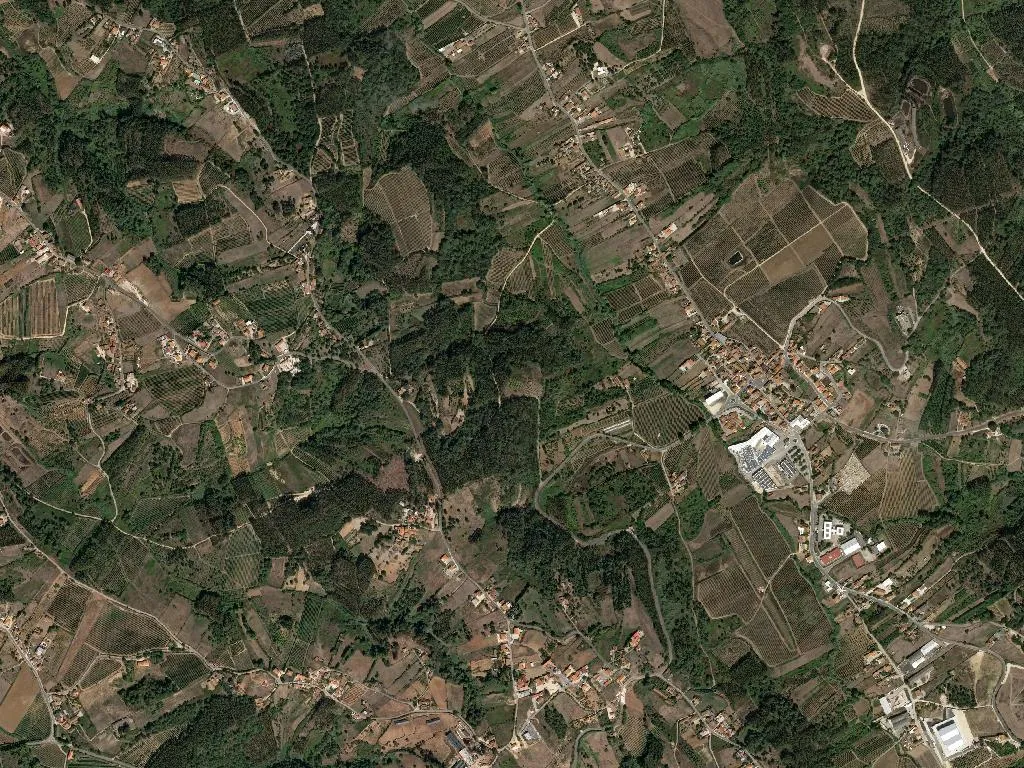
By late afternoon the slope smells of burning eucalyptus, the sweetness of ripe Rocha pears drifting up from the orchards below. At 135 metres Santa Catarina sits just high enough for the eye to ride the slow Atlantic swell of olive terraces and wire-trained vines that ripple between Caldas da Rainha and Alcobaça. Silence here has ballast: the hush is stitched with wind through carob leaves and the dry clatter of cane fields.
Medieval bones, daily bread
The parish took its dedication from St Catherine of Alexandria in the 1540s, when her cult was riding the wave of Counter-Reformation Iberia. The single-nave church is pure limestone and restraint: no Manueline fireworks, just a rectangle of white walls and a bell-cote that still tolls the Angelus. Inside, 18th-century azulejos glint like wet sand and the gilded altar is a candle-lit whisper rather than a shout. Wayside crosses – one 17th-century, one 1930s, both carved from local stone – punctuate the lanes, shorthand for vows made at harvest or childbirth.
Farmers have worked this red loam since the Cistercians at Alcobaça began tithe rolls in the 1200s. The same soils now feed two DOP products that arrive on London market stalls: Maçã de Alcobaça apples, tannic and honey-scented, and the almond-shaped Pêra Rocha do Oeste, protected since 2003.
Clay ovens and Friday loaves
Order kid here and it emerges from the same wood-fired oven Ana uses for her Friday batch of pão de trigo. Skin blisters to pork-crackling crisp while the meat slumps into rose-pink ribbons at the touch of a fork. Hunter’s rabbit follows the textbook – backyard tomatoes, a fist of home-dried oregano, wine from last year’s grapes – but the pan is the one Maria’s mother received as a dowry in 1962.
In the only café that opens all year the custard tarts wear the brave black spots of bakers who refuse convection ovens. Ask politely and Laurinda will tilt a thimble of ginja from Óbids into a dark-chocolate cup, the cherry liqueur she keeps behind the tonic water for regulars who remember the recipe before the town went touristic.
Footpaths through the geopark
The PR2 footpath climbs through carob and strawberry tree towards Carrascal ridge. Half-way up, a low wall offers a yoghurt pot of pomegranates: take two, leave fifty cents. When the path forks at a lightning-split cork oak, bear left; the Atlantic appears, a thin mercury line between pine plantations and the salt wind you can taste.
The Coastal Camino cuts across the N8 before dipping towards São Martinho do Porto; waymarks are yellow scallop shells painted on electricity poles. On the right Rosa’s grandson’s birth announcement still flaps from a clothes-line – the sheet has faded to lilac but the clothes-peg holds.
Two thousand winter residents
Evening is a relay of porch lights: Joaquim’s at seven sharp, Celeste’s single working bulb that turns her kitchen into a Caravaggio. The pothole by the church has been there since 2021; locals swerve without thinking, newcomers learn the hard way.
Remote workers have discovered the hamlet: they buy ruins with century-old olive trunks, glaze whole walls, and practise sunrise vinyasa. They also queue for Ana’s bread on day one and ask where to source manure for roses. Caldas is ten minutes away – hospital, indie cinema, a stationer that still stocks fountain-pen ink – yet the real clock is the loquat tree: when the fruit blushes amber it is time to pick before the blackbirds strip it.
At dusk chimney streaks rule the orange sky. The smoke catches in your throat – José lighting the range, exactly as his father did, exactly as his daughter will when he decides the woodpile is finally too heavy.