Full article about Vidais: Apple-scented lanes above the Atlantic
Terraced orchards, clay-pot stews and Ginja in a Caldas da Rainha hamlet
Hide article Read full article
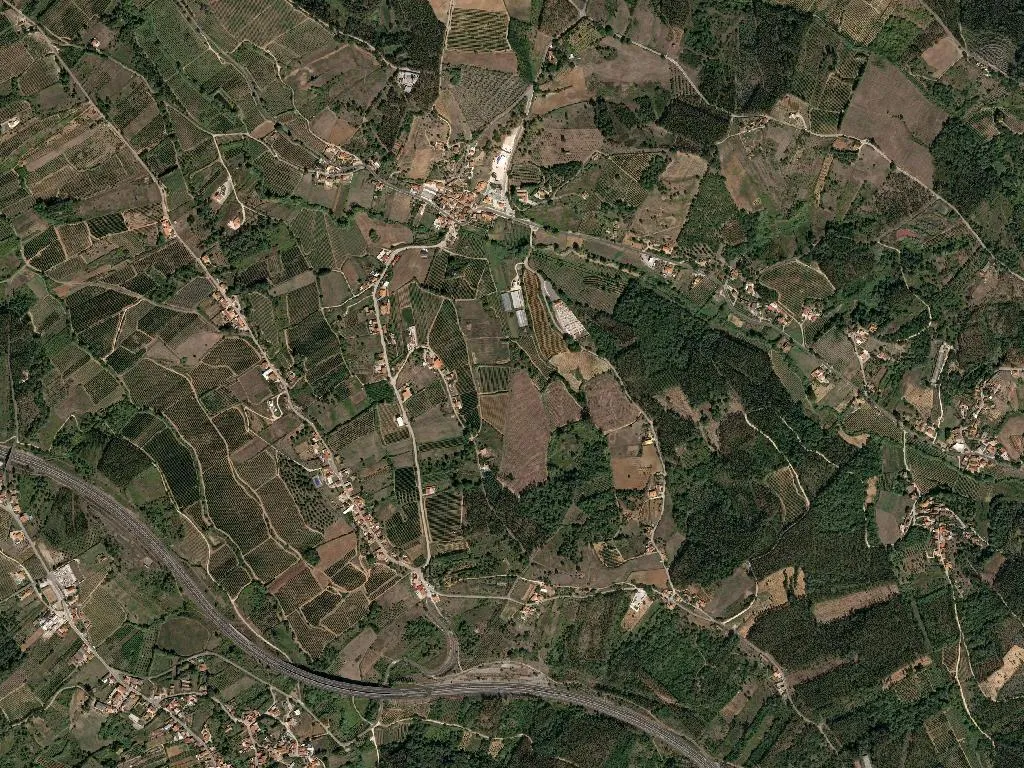
Morning sun slants through the gaps in painted wooden gates, spilling across yards where hens scratch between terracotta pots of scarlet geraniums. Vidais wakes slowly, paced by the valley that cradles it: 5,200 undulating acres where barely fifty people share each square kilometre and the gaps between houses are filled with orchards, vegetable plots and wedges of pine that climb the sandstone ridge.
The parish belongs to Caldas da Rainha on paper, yet it keeps a deliberate distance from the spa town’s ceramic-glazed bustle. At a modest 108 m above sea level, settlement fragments into hamlets strung together by single-track lanes that twist between dry-stone walls and tall hedges of laurel and hawthorn. Orchards still rule the calendar: rows of apples and pears bend under the weight of Alcobaça IGP apples and Pêra Rocha do Oeste DOP pears, both fattened by the Atlantic’s tempered climate into honeyed, late-summer sweetness.
What the land puts on the table
Vidais tastes of its own soil. In back gardens, sour cherries redden in June, destined for Ginja de Óbidos e Alcobaça IGP – the viscous, maroon liqueur served in thimble-sized chocolate cups at village fairs. Vegetable beds supply pumpkins, kale and butter beans for slow clay-pot stews that simmer over pinewood embers. There are no restaurants, only kitchens where dinner is measured not in Michelin stars but in wood-collecting trips and the number of bay leaves on the tree.
Knock on Amélia’s door at lunchtime and she will ladle out pumpkin soup the colour of melted butter, apologising because the loaf was baked yesterday. You eat because the clock says it is time, not because the lighting is good for a photograph.
Pilgrims, geologists and those who stay put
Vidais lies on the Coastal Route of the Camino de Santiago. Walkers enter a buffer zone where the rural interior begins to sniff the ocean: the coast is 18 km away, yet salt rides the wind and the light sharpens to an Atlantic brilliance that makes every leaf look lacquered. Most hikers press on, but the few who linger discover just seven registered holiday cottages and a hospitality that begins with gate-side conversations rather than booking confirmations.
The entire parish sits inside the UNESCO-designated Oeste Geopark. Limestone outcrops and marine-fossil beds record the moment, 65 million years ago, when this was seabed. Shards of shale crunch underfoot, the same clay that feeds the pottery kilns of nearby Caldas. “The stone in my wall has more stories than the British Museum,” claims António, the village barber, and he is barely exaggerating.
The arithmetic of ageing
Demographics read like a cautionary tale: 332 residents over 65, only 96 under 25. The primary school closed a decade ago; the café trims its hours to 7 a.m.–4 p.m. because, as owner Zé shrugs, “no one rolls up after milking”. Yet the place keeps its rhythm: tractors still furrow the fields, the monthly livestock fair still trades goats and pruning shears, Sunday mass still packs the nave with three generations.
Zé’s espresso machine predates Brexit, but the crema it delivers is the shade of walnut – a shade that city baristas charge three pounds for. Mid-afternoon, when low sun ignites the pine tops and shadows stretch across the ochre earth, silence becomes tangible: the distant diesel throb of a cultivator, the church bell tolling six, wood smoke rising from chimneys like incense to some minor, agrarian god. Somewhere between the scent of resin and the last glint on a pear leaf, you realise that haste has no jurisdiction here; fruit ripens when it is ready, not when the guidebook says it should.