Full article about Santa Maria, São Pedro e Sobral da Lagoa
Walk Óbidos’ merged parish of Santa Maria, São Pedro e Sobral da Lagoa: oven-warm cornbread, cherry ginja, castle ramparts and lagoon-salt wind.
Hide article Read full article
White walls that sing
Morning sunlight ricochets off whitewashed plaster so cleanly it makes your eyes smart. Footsteps clack against treacherous cobbles—stone polished by decades of market trolleys that still rattle through every Thursday. Half-way up Rua Direita the bakery exhales the smell of cornbread just freed from the oven, tangled with the cough-sweet perfume of ginja being poured next door. The aroma arrives before the glass does: cherry, cinnamon, alcohol, a memory of Christmas arriving uninvited in July. Beyond the walls the Atlantic coastal plain unrolls towards Óbidos Lagoon, yet inside the village you only know the water exists because the wind arrives tasting of salt and wet samphire.
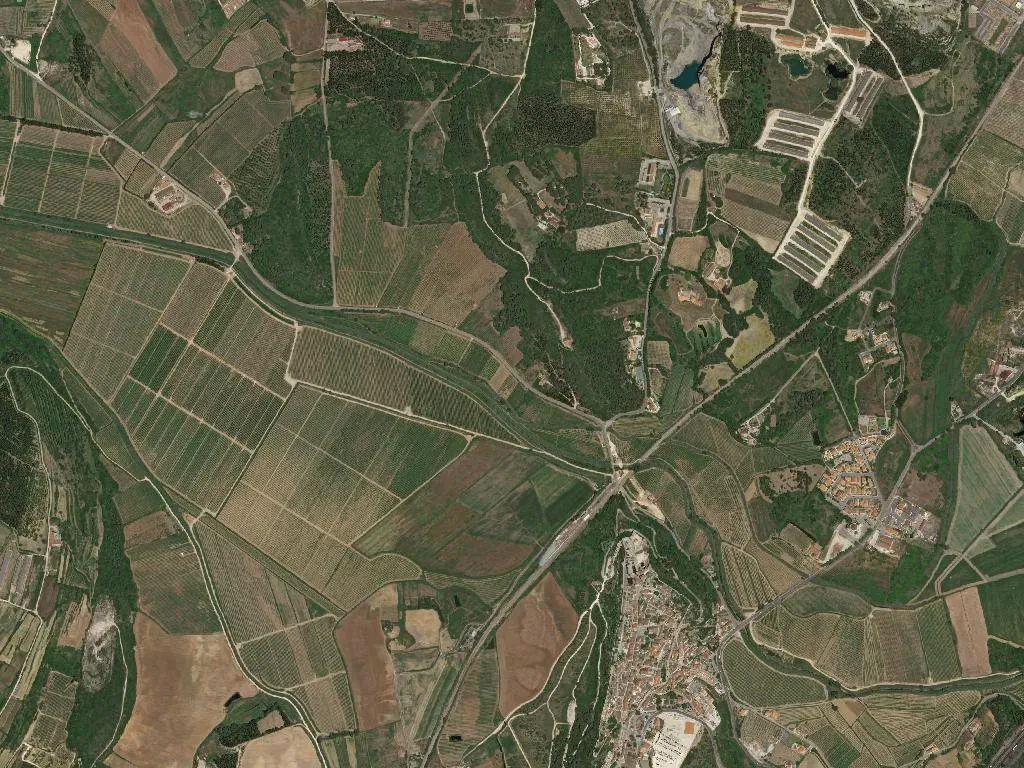
This is Santa Maria, São Pedro e Sobral da Lagoa, the largest parish in Óbidos council—thirty-seven square kilometres where wheat behaves like surf, olive groves remember grandparents who never left, and eucalyptus hedges whistle when the nortada blows. In 2013 three parishes were stitched into one: the walled town that survives on weekend tourism, Sobral da Lagoa where old men still conduct evening debates in the square, and the former mining district whose families arrived for jobs and stayed for the horizon.
Stones that keep the weather
The castle has been standing since 1148, when Afonso Henriques evicted the Moors, and its stones still hoard winter warmth, release summer cool. From the battlements the wind slices your cheeks while you track the green carpet all the way to the lagoon, where birds appear as punctuation marks. Inside the walls, the parish church of Santa Maria hosts a gilded baroque altarpiece that ignites when late sun strikes the south windows. São Pedro’s is plainer—Sunday mass attended by farmers who greet one another with a single nod, no words wasted. In Sobral the windmills no longer grind, yet their stone cylinders still signpost the back lanes. Capela de São Brás, squeezed into Largo de Santo António, is too small for the devotion it receives, especially during May’s romaria when sardines are grilled in the street and the air turns silver with smoke.
Ginja in an edible cup
Ginja d’Óbidos is not a souvenir. Locals drink it before lunch at Tasco da Praça, where José pours a second shot if he decides you look cold. The chocolate cup collapses on your tongue after the liquor is gone—nobody leaves crumbs. Behind the main street Dona Rosa still macerates her own cherries from the back-garden tree, reserving the bottles for grandchildren. There is ginja and then there is ginja: the proper stuff scratches the throat and lays a cinnamon ember in the stomach. Food here begins with lagoon eel stew, which Dona Fernanda serves with fried cornbread croutons; follows with lamb ensopado favoured by the parish-council president (always accompanied by lupin beans); finishes with chilled mint soup when the July threshing machines run all day. Alcobaça apples arrive from up the road, but the pear you want is Rocha do Oeste, ready in September when fruit drops into your palm at the lightest tug.
Between field and water
Óbidos Lagoon is salt below, fresh above—swim once and the cold will re-educate your lungs. At spring-tide low the exposed rocks are freckled with goose barnacles prized in Lisbon restaurants; small boats still set gill-nets for sole at dawn. Dirt tracks circle the water, hiding tunnels of bramble and umbrella pine—routes chosen by anyone wanting to vanish. The local Geopark is a grand name for what children always knew: cliffs that crumble like shortbread, boulders carrying fossilised oysters, a plain so flat you can clock the Berlenga lighthouse on clear days. The olive groves of Sobral and A-da-Gorda grow on ancient sand-dunes; their trunks corkscrew because they once tasted seawater. At eleven metres above sea level the sky feels vaulted—no hill interrupts the gaze.
Calendar of small persistence
St Andrew’s day, 30 November: mass first, then sandwiches of home-cured ham in soft corn bread—no one remembers who started it, everyone keeps the order. Nossa Senhora dos Milagres brings the diaspora back to Arelho every August for a weekend of reunions and gossip lubricated by sangria. The Christmas Nativity Route is recent, but children have always built lapinhas—miniature landscapes of moss, dried flowers and clay figurines—during Advent. Each saint claims a day and each day claims a cake: Senhora da Saúde, Senhora do Carmo, Senhor dos Passos—processions measured out in cinnamon-scented folar bread. These are traditions that need no footnotes; they are simply repeated until repetition feels like permanence.
When the sun slips behind the castle the stone turns the colour of heather honey and shadows pour down the lanes like syrup. The church bell strikes seven—everyone knows it is half-past without looking. The sound drifts across the fields, joins the lagoon frogs’ baritone and the guard-dog chorus that already recognises tomorrow’s footsteps. It hangs in the air as a quiet warning: here, time does not pass—it simply goes to bed, certain that by morning everything will be where it left it.