Full article about Albergaria dos Doze: where wind forgets the land
Limestone scars, whispering olives and a tavern that opens when the oil is new
Hide article Read full article
The plateau no one remembers
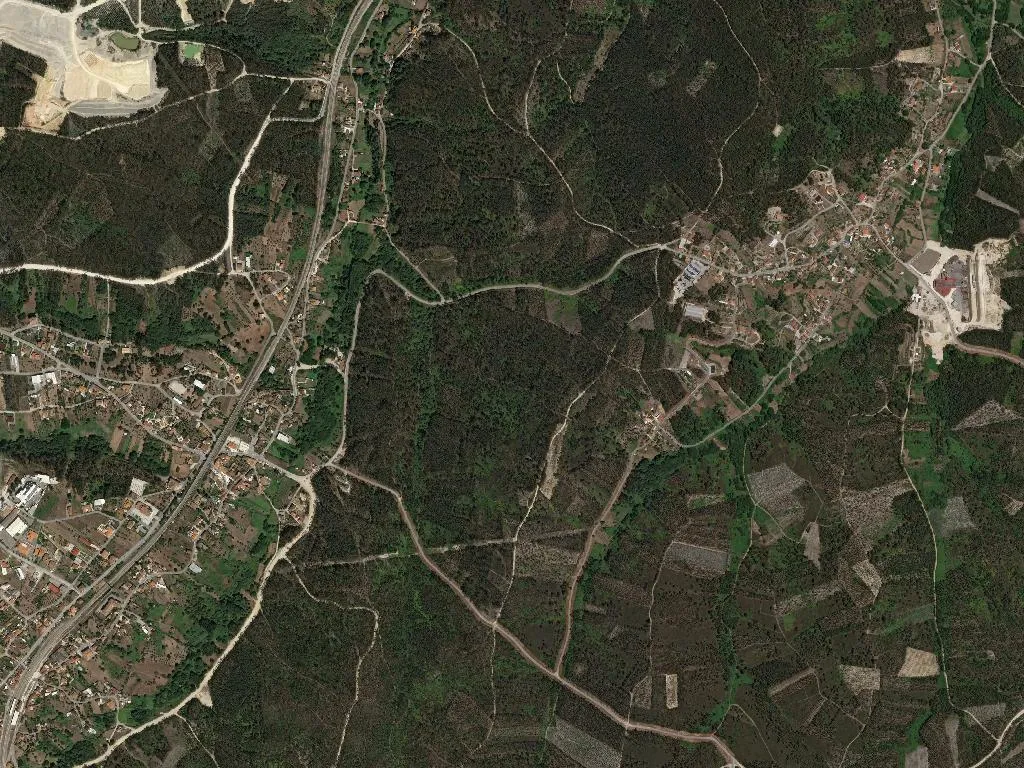
Afternoon light slips sideways through the single-glazed windows of the village’s terraced cottages, as if embarrassed to be seen. Albergaria dos Doze hovers at 254 m, a tectonic afterthought where the wind that starts in the Serra do Açor meets no resistance until the Atlantic, 60 km away. The parish roll claims 2,357 residents; on a weekday you might believe a tenth of that.
Twelve houses, one alibi
Local lore insists the name honours twelve host families who once gave fodder and floor space to mule trains shuttling between Coimbra and Lisbon before the A1 clipped three hours off the journey. Historians shrug; the tale is now grandfathered into the municipal coat of arms anyway. Today the only lodging is the Taberna do Fontinha, open when Sr. Fontinha feels like it, which is usually when the olives are being pressed and someone needs to taste the new oil.
Olive trees, pear trees, borrowed potatoes
The parish spreads across 22 sq km, most of it olive grove laid out in rectilinear rows that look like Morse code from the hilltop. Rocha pears interrupt the monotony each September, their russeted skins the colour of untreated oak. Even the potatoes come from elsewhere – Trás-os-Montes crates arrive on the morning freight train, unloaded by the same two men who have handled the route since 1998.
A crater with a memory
The Pedreira do Avelino is a 12 m-deep limestone scar left when stone for the region’s houses was hacked out by hand. Fossilised scallops protrude from the walls, proof that this plateau was once an ocean bed. Rainwater has since turned the hole into a seasonal lake where dragonflies hover and local children hunt for non-existent monsters. The council’s 2018 plan to landscape it into a “viewing platform” ran out of money at the fence stage.
Two Jacobs, one tap
Two variants of the Camino Portugués skirt the village; the Central Way and the Coastal detour re-converge 8 km north. Pilgrims materialise at the granite fountain, refill bottles, photograph the 16th-century chapel turned cultural centre, and leave. Their footprints seldom reach the café where coffee is forty cents and the Wi-Fi password is written on a paper napkin that no one has bothered to laminate.
Someone else’s party
August’s Festa do Bodo belongs to Pombal, but Albergaria fills two coaches anyway. Sardines blacken over eucalyptus charcoal, red wine arrives in unlabelled garrafões, and a brass band plays polkas that even the musicians’ grandchildren no longer recognise. It is the only day of the year when the queue at the roadside stall selling farturas rivals the line for the cash machine.
How to stay
There is no hotel, no guesthouse sign, no Booking.com neon. Ask in the mini-market and Dona Alda will hand you a key to her upstairs spare room, leave a thermos of milky coffee outside at dawn, and charge you €25 in cash without a receipt. The stars are included free; so is the smell of the neighbouring dairy farm when the wind swings northwest.
Arrive with
Shoes you don’t mind staining red with iron-rich dust, tolerance for a silence broken only by the 05:42 Alfa freight to Porto, and an appetite for olive oil poured liberally over breakfast toast, lunch soup, and dinner potatoes. The village will supply the rest – or convincingly pretend it can – which amounts to the same thing after a second glass of Fontinha’s house wine.