Full article about Pine-scented Carriço hides whale-bone sands
From resin-scented Mata do Urso to surf-thundered Praia do Osso da Baleia
Hide article Read full article
Where pine meets Atlantic spray
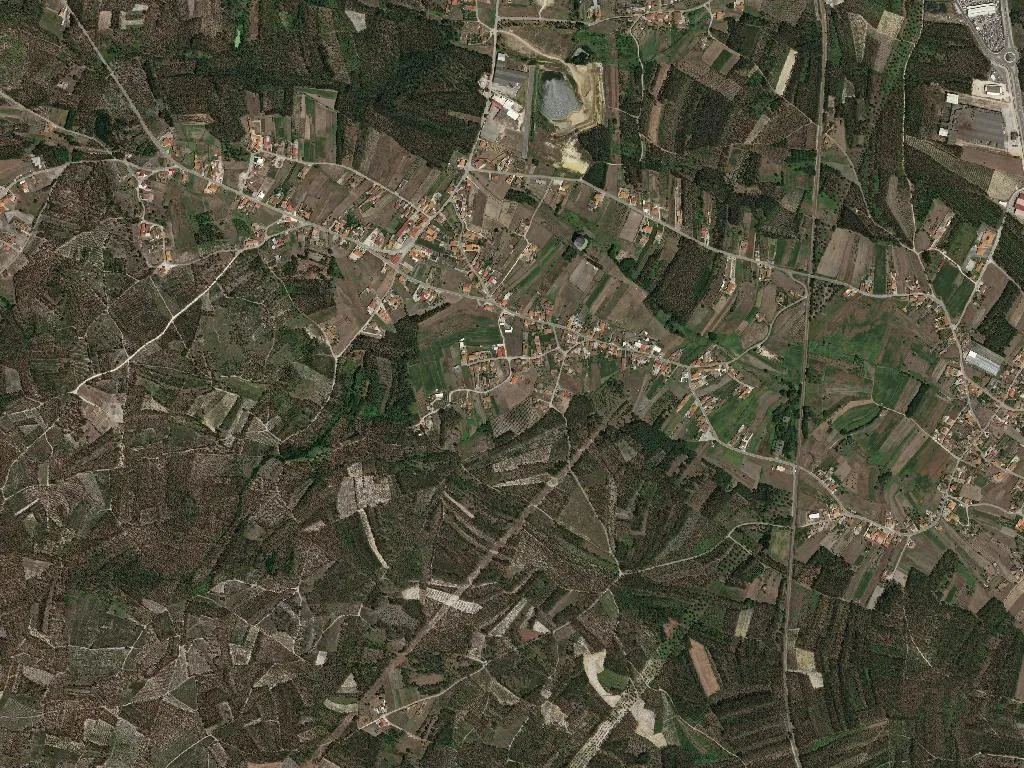
The fragrance of pine resin arrives before any shade. At sunrise in Carriço, low light slices through the Mata Nacional do Urso and the trees exhale a heady perfume that fuses with salt blown in on the westerly. The single-lane road corkscrews between straight, damp trunks; fallen needles muffle every footfall. This is the largest parish in Pombal municipality—85 sq km, three-fifths of it forest—and human presence is reduced to occasional clearings where resin workers once scraped V-shaped cuts into bark and left behind rusted tin drums and waist-high stone shelters.
Forest that still earns its keep
Carriço was only formally designated a parish in 1960, yet its identity is inseparable from the 11th-century Pinhal de Leiria, the royal pine plantation planted to provide timber for the caravel fleets. The local wedge—Mata Nacional do Urso—owes its name to the bears that once roamed here. Timber and resin sustained generations; today the forest is worked under strict stewardship, and the same tracks reveal spigot scars on ageing trunks and the ruins of mid-century resin stores. In the village centre, the 1957 Igreja Matriz de Nossa Senhora da Conceição was financed by forestry wages—its clean modernist bell-tower tiled in oxblood and cream.
A beach called Whale Bone
The Atlantic appears without warning. A sandy lane peters out at the solitary Praia do Osso da Baleia, a 3.5-kilometre sweep of blonde sand backed by dunes stabilised in the 1940s with maritime pine and European beachgrass. It was during those works that whale bones surfaced, giving the beach its name. There are no cafés, no lifeguards, no car park—just a surging swell that makes for muscular surf when the sandbars align. Walk south at low tide and you’ll meet only sanderlings and the occasional local casting a line for sea bass.
Limestone pages from the Eocene
Four kilometres inland, an abandoned quarry has become the Monumento Natural da Pedreira do Avelino. The exposed limestone was laid down 50 million years ago when this land lay beneath a warm, shallow sea; palaeontologists have extracted primitive whales, giant turtles and early flightless birds from the strata. Fossil collecting is banned, but you’re free to follow the 800-metre interpretive trail—sturdy shoes advised, the rock blades are razor-sharp. Extraction ceased in 1980 after the first skeleton was found; the cranes simply left, giving the cliff face the air of a half-read archive.
Smokehouse and salt spray
Winter here still revolves around the matança. In farm kitchens you’ll find esturros, a slow-cooked blood stew thick with cumin and bay, while torresmos crackle in copper pots and strings of chouriço hang like rustic necklaces above the wood burner. The sea supplies gilt-head bream and sea bass that appear on the grill with a thread of Ribatejo DOP olive oil and a squeeze of lemon. Finish with Rabaçal DOP cheese—loosely pressed, delicately sharp—and a chilled Pêra Rocha do Oeste DOP pear whose granular flesh holds its shape even when ripe.
Way-marked for pilgrims and mountain bikers
Two branches of the Camino de Santiago—the Coastal Route and the Torres Variant—cross the parish, funnelling hikers along shaded firebreaks. Cyclists can stitch together 40 km of gravel loops between the forest and the small river valleys that slice toward the coast. The straightforward seven-kilometre ride to the beach is unsigned in places—download the GPS track. Remember, too, that Sunday is hunting day; wear high-vis and stick to the mapped paths.
Dusk settles, and the resinous air softens into something almost honeyed. Headlights pick out drifting wood smoke, the distant Atlantic keeps up its low percussion, and tomorrow the wind will begin again, sifting sand across the tarmac that leads back into the pines.