Full article about Redinha: Olive Smoke & Templar Echoes
Quinta presses oil beneath silvered groves, chapel bells bounce over Baixo-Mondego.
Hide article Read full article
New oil on warm bread
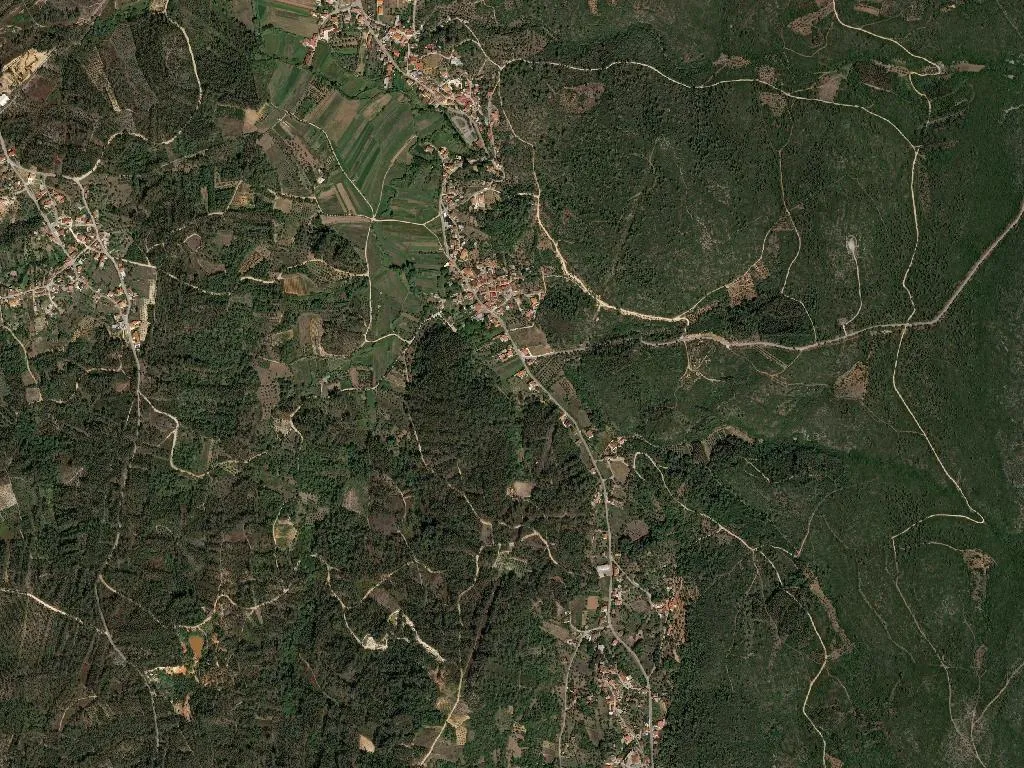
Fresh olive oil slips across the crust, slow as mercury, throwing translucent freckles on the crumb. At Quinta de Sant’Ana the wood-fired oven sighs, its smoke braiding with the pepper-green perfume of olives just pressed. November has silvered the groves around Redinha; leaves glint like fish-scales in the low sun. When the chapel bell strikes five the note ricochets over the Baixo-Mondego valley, a single metallic drop in still water.
Between Templar stone and Jurassic footprints
History here is granular: you can brush it off your sleeve. The limestone arch of Capela de Sant’Ana is finger-polished by centuries of calloused palms. Inside, a 1970s choir still belts out Latin responses every Sunday, the sopranos slightly off-key above the wheeze of a harmonium. Locals insist the polychrome statue of St Anne was discovered by a goatherd under an ilex; whatever the truth, the story has hardened into local bedrock.
South of the village the former quarry at Pedreira do Avelino is now a nature reserve. Supposedly the rock face bears dinosaur prints – no one can ever point them out, yet everyone swears they’re there. In late summer children come armed with tongs to harvest prickly pears, scarlet juice streaking their wrists. Kestrels nest in the fissures; at dusk the air blackens with their stoops and dives.
Pilgrims, presses and folk dancers
The Caminho Portugués Interior still funnels walkers past the village. They push open the door of Café Central, credentials flapping, and Zé – proprietor since 1979 – stamps the parish seal (an ear of wheat crossed with an olive branch) before sliding over a complimentary bica. The scent of singed eucalyptus follows them all the way to Pombal.
Festivity is calibrated to the agricultural calendar. On the Sunday nearest 26 July the chapel yard fills with sardines crackling over vine-prunings, white wine sloshing into clay bowls, and children brandishing smartphones while they rattle off the traditional loa – a rhyme once used to collect alms. In May the bodo takes over: kids ride parents’ shoulders to the flagstoned square for rice-blood sausage, roast kid and the vira, danced until the sky pales behind the acacias.
A kitchen governed by smoke and olive oil
There is no certified denomination for Redinha’s oil; it simply appears, emerald and cough-inducing, from Sr António’s 300 trees and the community press at Meiral. Maria do Carmo still cold-smokes her morcela de arroz in the family fumeiro suspended over a chestnut fire. The communal oven fires Wednesdays and Saturdays: arrive after ten and the bread is gone. Cod spends three hours in the wood oven, basted with oil drawn from a five-litre demijohn that lives on the sideboard. Pudding is seasonal – tigeladas (cinnamon-scented egg tarts) for saints’ days, otherwise a pear swiped straight from the tree.
Starlight, fossils and the smell of wet earth
The signed Trilho dos Templários climbs slabbed lanes where hoof-scores are said to be visible in the schist. A gentler ecovia shadows the Anços stream, past watermills whose wheels seized decades ago; it’s where village children graduate from stabilisers to proper gears. In September the grape pickers end up in Zé Manel’s barn, drinking borratão – half-fermented must ladled from the vat – and tearing at sheep’s-cheese slabs. When the mill finally turns for olives, the entire parish breathes rancid-green for a week.
Street lighting stops at the last house. Walk back from Pombal on a clear night and satellites skate overhead like ice skaters. A westerly carries the marsh smell of the Mondego: silt, bruised reeds, decaying cane. It clings to your jumper, a souvenir you won’t notice until London rain reawakens it weeks later.