Full article about Mira de Aire
Descend 110 m into a 180-million-year limestone cathedral, then sip ginginha at a 1930s loom museum
Hide article Read full article
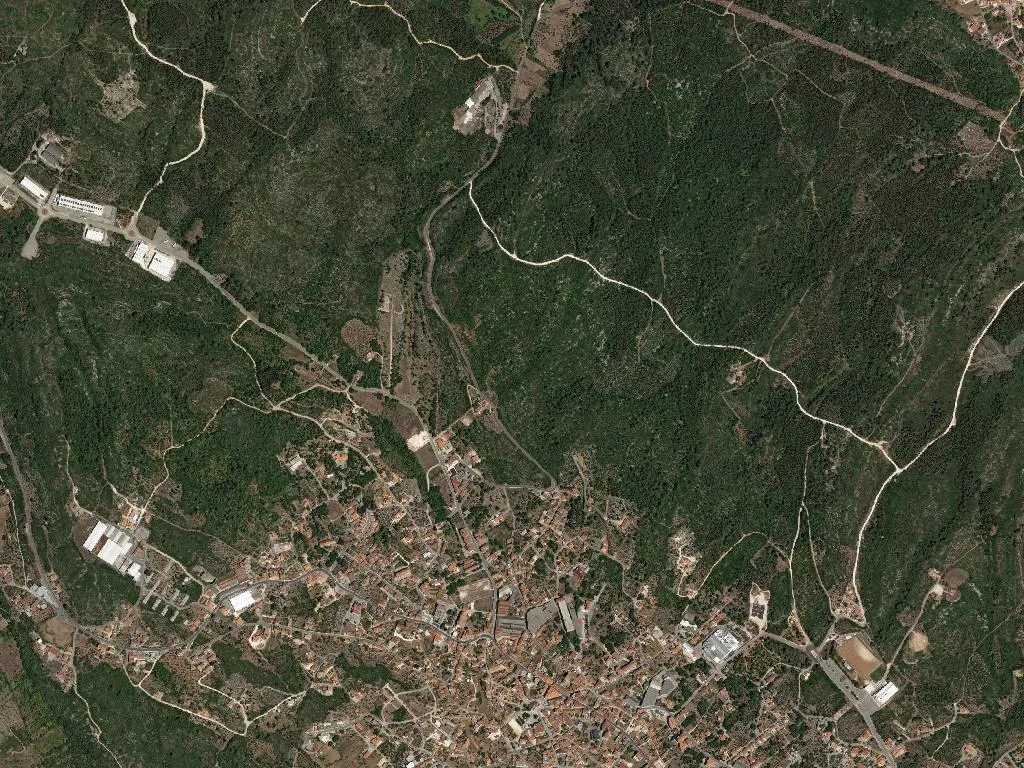
Dawn mist gathers at the mouth of the cavern where the ridge-top silence dissolves into the slow percussion of falling water. Beyond the ticket gate, white limestone – burnished over 180 million years – flashes with microscopic crystals each time the guide swings her torch. You are standing on the roof of Portugal’s largest show-cave, 363 m above sea level, while below lies an 11 km lattice of passages still being mapped by speleologists.
When the ground opened
A group of local boys wriggled into the hillside in 1947 and emerged with stories of stalactite cathedrals. Their discovery turned an unassuming farming village – founded in the tenth century along the seasonal River Aire – into a subterranean attraction that now draws 200,000 visitors a year. Fifty-minute tours descend 110 m of steel staircases to the Great Hall, an 80 m-high vault where formations accrete at the speed of a single millimetre per century. The air hovers at a constant 18 °C; bring a jumper even in August. Tickets €8.50; first descent 10.00, last sold at 17.00.
Stone, looms and cavaquinho
The parish church keeps its key with Sr António in the white cottage beside the cemetery wall – knock loudly. Inside, azulejo panels narrate the region’s wool boom. Walk five minutes to the old spinning mill, now a free textile museum open Mon-Fri 14.00-17.00. Ask Sr Joaquim to throw the clutch: he’ll run a 1930s Lancashire loom so you can feel cotton cloth being born. Evening entertainment moves to the Casa da Cultura; check the poster for cavaquinho recitals and vintage-photo exhibitions. Tea ceremonies, Portuguese-style (china cups, cinnamon-laced ginginha), happen on the last Saturday of each month.
Tastes of the ridge and orchard
Night-time dining is limited to O Pascoal on the main street. Roast kid is by pre-order only – telephone before 10 a.m. At lunchtime A Serrana serves sopa da pedra (bean-and-cured-meat “stone soup”) until it runs out; arrive before 12.30. Stock up at Padaria D. Amélia on Saturday morning for sponge-like pão-de-ló baked in wood-fired iron moulds. First Sunday of the month, Dona Lurdes sets up a stall at the open-air market: bring a clean jar and she’ll ladle you 3 € of wild-quince jam.
Between orchards and quarries
The PR2 “Mill Trail” begins opposite the cave ticket office: 5.2 km of limestone paths that pass three wind-bent windmills and a restored olive press. Allow 1 h 45 min and carry water – no springs. At the Cruzeiro viewpoint a stone picnic table faces the Serra de Aire’s scarred cliffs; avoid midday in July when the rock radiates heat. Return at dusk in late June and you can watch a cloud of greater horseshoe bats pour from the cave mouth without buying a ticket – the colony exits above the car park at around 19.00.
Practical residue
The day-care centre needs volunteer drivers for hospital runs to Leiria; speak to nurse Rosa. Wi-Fi and printing (10 c a sheet) are available at the library, Mon-Fri 14.00-17.00. The only guest-house, Residencial Aire, charges €35 for a double including breakfast; it closes for January.