Full article about Carnota: Where Granite Weeps & Pears Snap
Springwater beads over grey stone while Pêra Rocha pears crack like memories in Alenquer’s quietest
Hide article Read full article
The Granite That Never Dries
The village spring is always wet, even when the Tagus plain shimmers at 36 °C. A single filament of water slips over grey granite, slow as gossip. Around it, schist walls store the afternoon like a thermos, releasing heat in murmurs after dark.
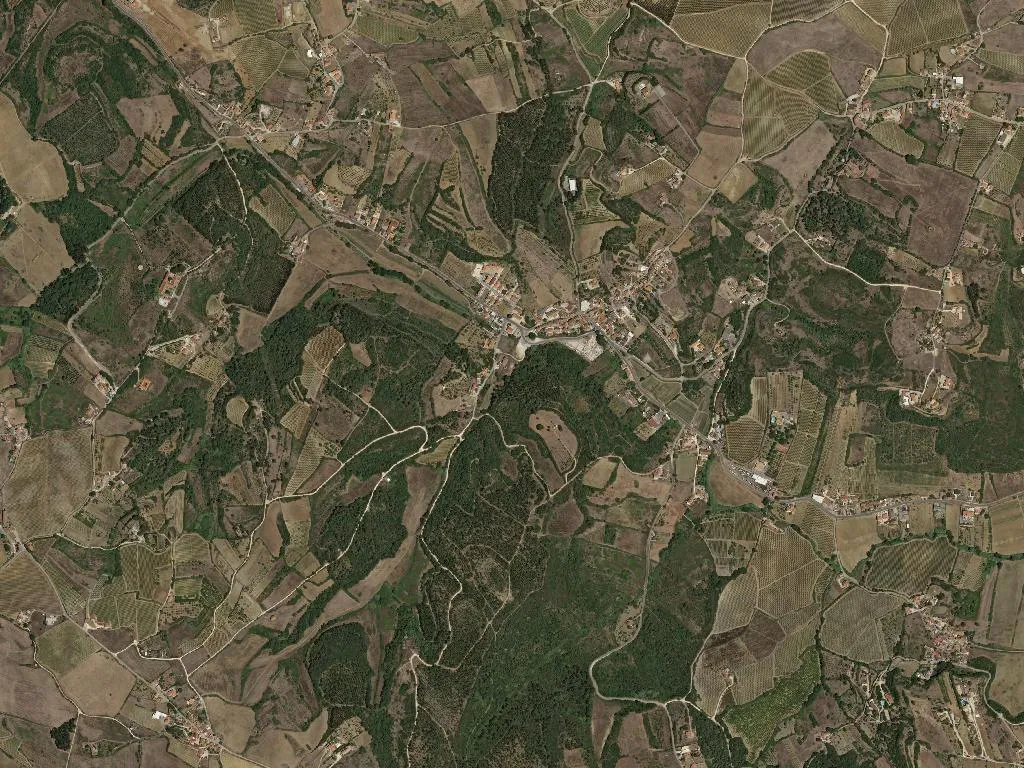
Carnota spreads across 1,808 hectares of vineyards and pear orchards—enough land to lose your gaze and still have room for the annual roast-goat supper. Here, Pêra Rocha DOP is picked into frayed wicker baskets and eaten straight from the tree; its snap of acid tastes of the cousin who left for France—sweetness with bite.
Stone the Locals Ignore
There is, somewhere, a classified national monument, yet ask three residents and the tabby on the bench and you’ll draw blanks. The stone stands anyway, like Uncle Chico who shuffles into Alenquer every Sunday “just to check who’s still alive”. The entire landscape has been admitted to the West Portugal Geopark, a sticker that says “geologically priceless”—millions of years corked inside a bottle of tinta roriz that Filipe ferments from his grandfather’s 1940 planting.
Yellow Blazes, Dusty Boots
The Torres Pilgrim Trail cuts through the parish, but don’t expect scallop shells or brass bands. A handful of walkers in split espadrilles limp into Quitéria’s café for a coffee laced with bagaço firewater—because “if not now, there isn’t another until eternity”. Follow the yellow dot as you would the smell of Sunday roast drifting over courtyard walls.
Congregations That Still Fit
The census claims 1,565 souls; reality is 23 queuing at the butcher, eight on the village bench, two arguing about Benfica’s defence. The primary school can still field a five-a-side team—an honest victory in rural Portugal. Elders recite every grandchild’s name, plus the dogs’, and still have breath to ask who left the gate ajar.
Tourism? There is one house to let—booked, more often than not, by a Lisbon cousin craving “clean air” who heads home on day three when the 4G dies. Good. The silence stays for those who remain, roosters crow without permit, and night skies remember constellations that wifi has forgotten.
When the shadow of the 16th-century church reaches the spring, the tap is turned off. A last drop falls—no drama, just punctuation. In the smokehouse the chorizo has already taken on winter’s flavour, and someone calls across the lane “See you tomorrow, God willing”—in Carnota not a cliché, but shift work.