Full article about Ota: Where Tagus Mist Meats Mimosa & Stone Whispers
Ota (Alenquer) hides Tagus-scented meadows, Cistercian culverts, eel-thick creeks, flint-strewn Castro and rough aguardiente poured behind a squeaky estate
Hide article Read full article
The air carries clay and mimosa
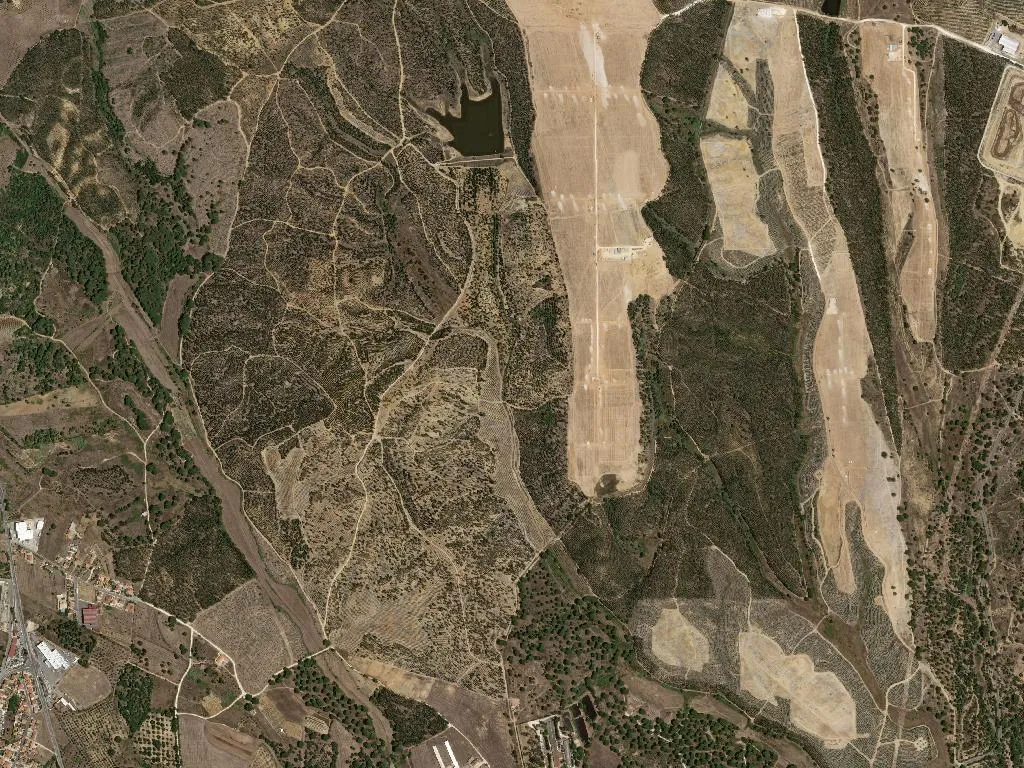
Breathe in at dusk and the Tagus valley sticks to your lungs: not just river-mist, but the metallic sweetness of mimosa drifting inland from the flood-meadows. Ota’s 46 square kilometres sit only 30 m above sea-level, yet the plain feels pressed under glass, a low bowl of willow and poplar that hides creeks still thick with eels. Locals call the boggy patch behind the football pitch Paul da Ota; last summer a clutch of hens vanished there and no-one has retrieved the feathers.
Stone that remembers
Up on the Castro the soil is brick-hard, littered with gun-flint flakes sharp enough to slice a thumb. Amateur archaeologist Carlos Ribeiro carried a bundle of them to Lisbon’s Rossio station in 1877, hoping for museum money; what came back were schoolboys’ marbles that still surface each time the farmer runs a blade through the barley. Below the earthwork a ravine known only as O Canhão drops to a cattle shelter; water sings under the boulders, audible only after the moon has risen and the north-westerly dies.
Where monks and malaria drew the map
Cistercians arrived with iron mattocks and the usual retinue of field slaves, but it was anopheles mosquitoes that reshaped the valley. Orange-brick culverts—half-moon tiles the colour of dried pulp—mark where the monks laid dormitories between two rivulets. King João II later protected the local herons: their plumes fetched high prices at court for hat trim. The gate of Quinta da Ota still squeaks like a 1920s newsreel; inside, the caretaker’s son pours rough peel-infused aguardiente for anyone who knocks. A great-grandson of the estate page swears the Marquis of Pombal spent a night here, though he can no longer recall whether the horse was chestnut or bay.
The parish church of the Divine Holy Spirit smells of beeswax and baby-sick. At the 11 o’clock mass the wooden ceiling cracks like distant musketry—centuries of vows fired upwards and held there. Outside, the 18th-century stone post that once measured the Lisbon coach-road now serves as a bench for men waiting for the nine-o’clock bus. No one can decipher the mileage, but everyone knows the capital lies thirty-two Roman miles south-west.
What the ground gives back
Ota’s Rocha pears arrive smaller than the official DO spec, their thick skins peeling away in a single corkscrew. Pickers eat them furtively at the top of the ladder, coarse salt scraped across denim. Wine leaves the valley in three-litre carafes that José’s father hauled to Santarém market; today José bottles 3,000 a year, sells online and still treads the same fernão pires grapes his grandfather crushed barefoot. Beyond the vineyards the land doubles in secret folds where locals slip into the maquis for medronho berries before the GNR forestry unit wakes up. Pilgrims on the Tagus cycle route pedal through fast, unnerved by loose dogs and the sweet reek of pig manure.
Twice a week the generator at the nearby air-base drones a tone lower than an F-16; by sunset the plain turns the colour of olive oil spilled on glass. Wet clay and leaf-mould rise on the chill, the same mixture the monks felt between their toes. Night brings frogs that never abandoned the marsh—because the marsh never disappeared, it only learned to hide beneath the maize.