Full article about Arranhó: limestone, wind & slow-roast silence
Touriga vines, peppery oil and beef that sleeps in the oven—35 min from Lisbon
Hide article Read full article
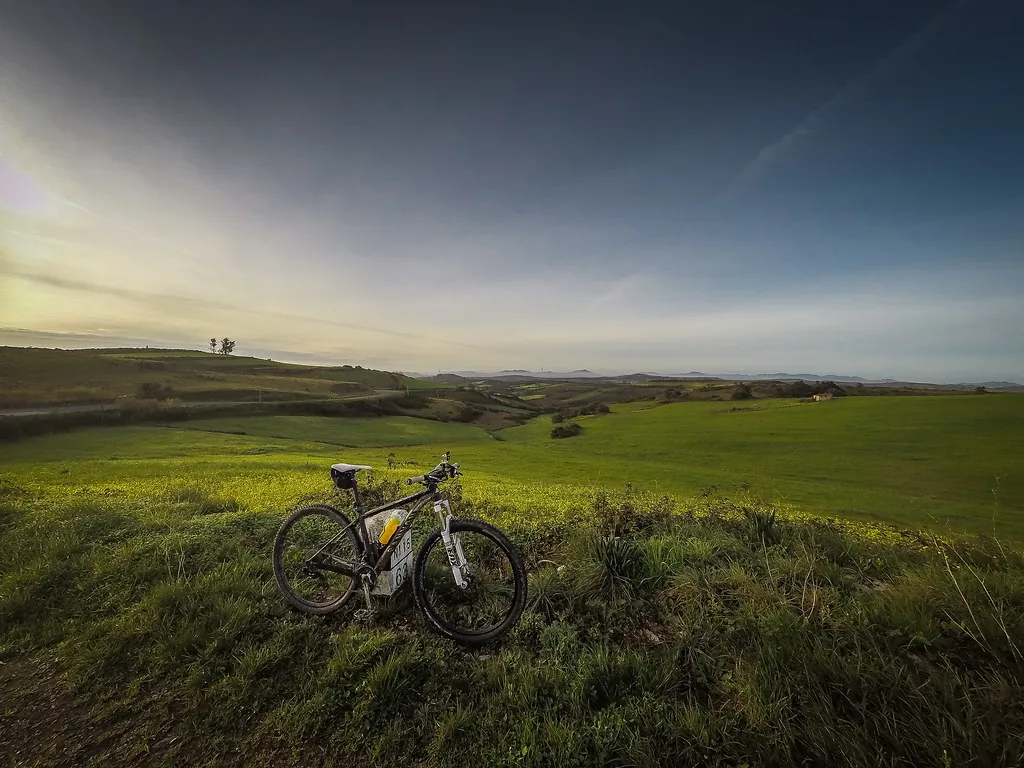
The road corkscrews up 330 m until your stomach doubts its own contents, then releases you onto a plateau where the air smells of warm schist and the signal bars vanish. Arranhó is suddenly there – 2,584 souls scattered across 21 square kilometres of vineyards that look like green billiard cloth stapled to the earth with splinters of limestone. Thirty-five minutes from Lisbon, yet the diesel fumes never made it this far; instead you get the Ribatejo wind carrying a faint treble of goat bells and the bass note of someone’s wood-burning oven.
Stone, clay and grapes that cling
The parish sits inside the Naturtejo Geopark, but the classroom geology matters less than what it does to wine. The bedrock is Jurassic limestone laced with stubborn clay; together they force roots to fight for space, producing Touriga Nacional that grips the slope and reds that grip the palate. September brings the heady fug of fermentation drifting from family adegas, while the Serra de Montejunto stands behind like a bashful bodyguard – too craggy for postcards, yet indispensable when Atlantic storms try to gate-crash the harvest party.
What the land feeds (and fattens)
“Bravo” beef is a misnomer: the cattle are docile, fattened on Ribatejo pasture then roasted for the length of a Benfica match – only without the shouting. The plate arrives with potatoes that have collapsed into the gravy and rice that refuses to clump. Dessert is Pêra Rocha snatched before it hits the ground: firm, honey-sweet, its juice sealing your fingers like a pact. If the baker likes you, she’ll sell a bottle of first-press olive oil so peppery it makes your tonsils tango – perfect the next morning on toasted country bread, ironing out last night’s regrets.
Walking without haste (or Google)
The Torres Lines pilgrim trail passes through as casually as a man popping out for coffee. It enters the village, sniffs the church porch, nods at the mongrels and slips away between vines old enough to remember your great-grandmother. Eight kilometres later you could collect a passport stamp, but nobody does; they pocket spring water, a satchel of oranges and the certainty that the phone will stay unread. To the north, Montejunto ridge looks like a stone parasol someone forgot to fold – shading olive groves and reminding glaciers they’re not welcome this far south.
Demography and the daily bus
Census clerks count 390 under-25s and 586 over-65s; in real terms that’s 586 weather forecasts and 390 pairs of AirPods. At 07:30 the school bus inhales the children; at 08:00 the benches around the fountain exhale the grandparents. The village hasn’t flat-lined because Arruda town is ten minutes away and Lisbon half an hour of Spotify away – close enough to commute, near enough to water the lettuces at dusk. The three B&Bs offer no spa playlists: instead you get a cockerel alarm clock and jam stirred by a woman who can trace exactly how her grandson ended up in Vancouver.
When the sun clocks off, the vineyards rust and chimney smoke drifts ruler-straight – proof of windless skies. Arranhó guarantees no monuments, no Michelin foams. It guarantees silence loud enough to hear yourself blink, wine that tastes of its own address, and the promise that tomorrow the bakery opens at seven with coffee already poured before you ask.