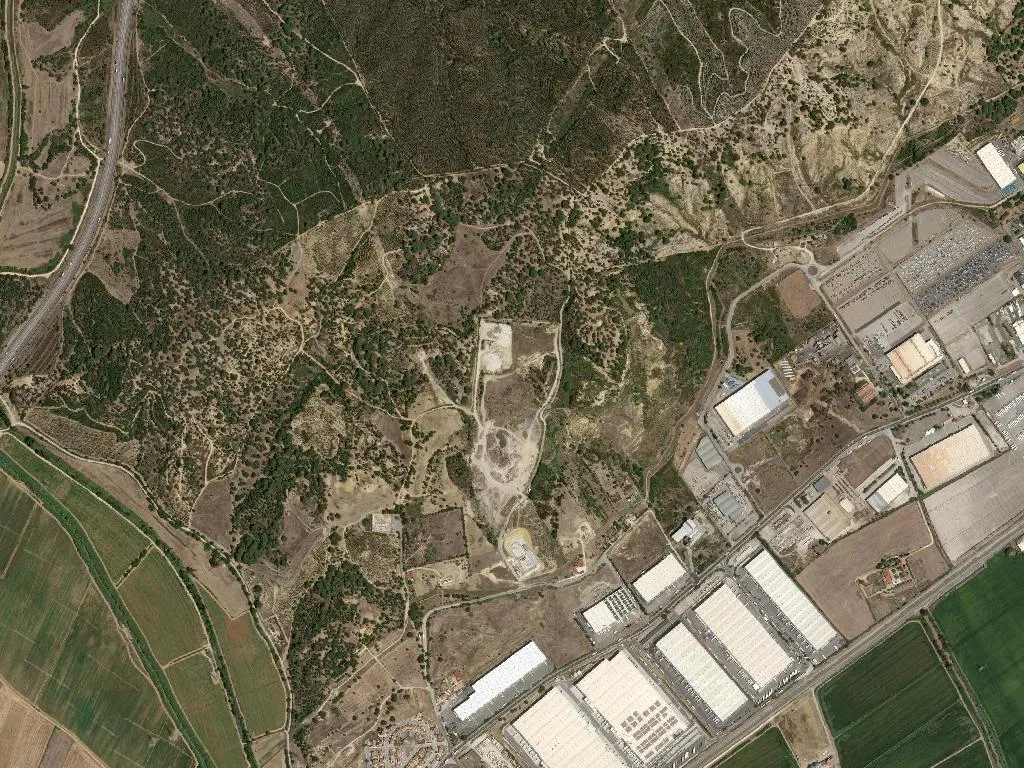
Full article about Vila Nova da Rainha: Rice Paddies & Royal Echoes
Vila Nova da Rainha invites you to walk flooded rice terraces, explore manor-lined lanes and savour river-fresh Carolino dishes.
Hide article Read full article
A dull, syncopated slap travels across the water before you see a soul: the sound of bare heels packing down sodden earth. In May the paddies of Vila Nova da Rainha are “moulded” by the few farmers who still keep the old rhythm—men and women treading the flooded plots to level them before scattering the first grains of Carolino rice. Clay climbs their calves, water reaches the ankle bones, and every footfall continues a conversation with the soil that began in the early 1500s, when Queen Leonor, wife of João II, ordered the marshy left bank of the Tagus to be drained and planted so her retinue could eat during the journey between Óbidos and Alenquer. The village—population 973, elevation 82 m—still honours the founder it carries in its name, though crown and court have long since gone.
Manor houses, fountains and a mill reborn as museum
Three ochre-brick manor houses, collectively known as the Solares da Rainha, face each other across a whisper-quiet lane. Their wrought-iron balconies and weather-beaten coats of arms are classified Public Interest Properties, yet chickens still strut beneath the stone doorways. Beside them, the parish church of Nossa Senhora da Conceição keeps the square in proportion with a single, unadorned bell tower; inside, 17th-century azulejos narrate the life of the Virgin in the same blues that tint the morning mist over the river. A short shuffle brings you to the baroque fountain whose waters once arrived via a clay-pipe aqueduct; the spout still runs, filling plastic jerry-cans for local vegetable plots. The real draw is the squat half-brick windmill on the western edge of the settlement—restored as the Rice Interpretation Centre. Ring Azambuja town hall the day before; if Mr António is on duty he will let you climb the ladder, run your fingers through rough hulls and explain why the sails were canvassed only when the northerly nortada blew.
Carolino rice, glass eels and a nun’s “bacon from heaven”
The kitchen here is the field. Order arroz de enguia and you receive a clay bowl of Carolino rice turned bronze by saffron, jewelled with tiny Tagus eels no longer than a matchstick and sharpened with garden mint. Winter brings bucho de Torres, a blood-and-rice pudding scented with clove and orange peel that splits into velvet slices. For pudding the local toucinho-do-céu swaps some sugar for riverside wild-flower honey, softening the convent original into something almost fudgy. Everything is washed down with palhete, a light red fermented in garage tanks and served at cellar temperature. The plate is a map of Ribatejo appellations: Bravo do Ribatejo DOP lamb, Rocha pear DOP, peppery Ribatejo olive oil and, inevitably, the IGP-protected rice itself. Follow the smell of garlic and heated iron to Zé Manel’s tavern; if the radio is arguing about Sporting vs. Benfica, you’ve arrived.
Herons, willows and a pilgrim’s spoonful of sweet rice
Spring lays a mirror of green glass over the paddies; by late September the same fields glow like hammered bronze. Between seasons the Tagus meanders south of the dykes, braiding islands of crack-willow and salgueiro-chorão where grey herons nest and kingfishers flare turquoise. The 8-km Lezíria footpath (PR 2 AZB) sets out from the church gate, skirting canals where white stilts pick through reflections of cloud. Dawn is best: mist lifts off the water, and only the slow beat of heron wings disturbs the silence. The Portuguese Coastal Way of Santiago cuts straight through the square; parish women still press a dollop of cinnamon-dusted arroz-doce into pilgrims’ hands, a gesture that predates compostable cutlery by four centuries. Wear shoes you are happy to bin—Ribatejo clay has a possessive streak.
Tractor parade and sung poetry in the smoke
Festivals ignore the national calendar. What matters here is the Sunday before sowing, when farmers festoon Massey-Fergusons with tinsel and crepe paper for the informal Cortejo do Arroz, and again in October when sheaves are threshed and the air smells of burnt straw. Winter evenings belong to cantigas ao desafio, improvised duels of rhymed insults and praise accompanied by a twelve-string guitar, performed in the cultural centre whose walls still carry the ghost of 1970s political slogans. On 8 December the village celebrates its patron saint with an open-air mass, chestnuts roasted on oil-drum braziers and chicken broth ladled from aluminium vats. If you turn up with an appetite and the patience to listen, you will be fed; just don’t question anyone’s grandmother’s recipe.
When the sun drops behind the willows and the herons fly in ragged formation to their roosts, the paddies smoulder copper and wood-smoke drifts from chimneys. Standing ankle-deep in clay, grain sliding between your fingers, you understand why a queen lent her name to this scrap of riverbank: in Vila Nova da Rainha rice is still bullion, and the court that tends it never really went away.