Full article about Alguber: Where Pears Ripen Against Serra de Todo-o-Mundo
Moorish springs, royal miracles and 1680 manor orchards perfume Cadaval’s smallest parish
Hide article Read full article
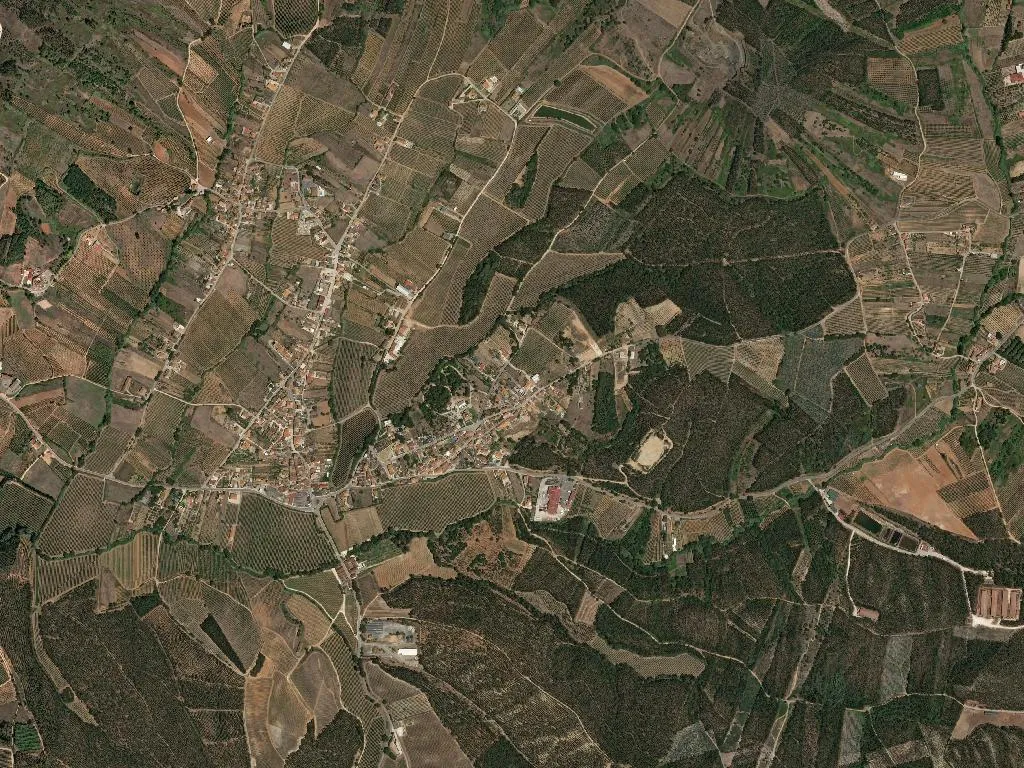
Sunlight slips through the branches of Rocha pear trees, printing shifting lattices on terraces that shelve gently towards the Serra de Todo-o-Mundo. The air is thick with the scent of fruit turning from green to gold and with the damp breath of soil just released from an irrigation channel. Somewhere below the olives a stream mutters, feeding stone wells and springs that have made this corner of Cadaval workable since Moorish tenants first coined the name—Alguber, perhaps “little hill”, perhaps “deep earth”, no one now can say.
A miracle that made a parish
Royal records date the place from 1544, when João III elevated it to parish status. The charter was gratitude disguised as administration: his daughter Maria had been gravely ill and, the story runs, recovered after pleading with Nossa Senhora de Todo-o Mundo—“Our Lady of the Whole World”. The king repaid the favour by naming both parish and ridge after the invocation. A plain image of the saint still stands at Achada, watching tractors rather than camels pass by.
People were here long before the paperwork. A 1302 deed shows a couple called João Cheo and his wife donating Alguber land to the Cistercian house at Almoster—proof that vines and cereals were already paying tithes while Portugal itself was still learning borders. The parish church, dedicated to Nossa Senhora das Candeias, keeps the tally: baptisms, marriages, burials, and an annual candlelit mass that gathers most of the 833 residents without fuss or fireworks.
The manor that outlived empires
Quinta da Boa Vista has presided over the western edge of the parish since 1680, when Luís Fialho—royal treasurer and “provider of the dispatch table”, a title that sounds like fiction—built the present house. His family had already been morgados (entailed lords) here since the parish was founded, and earlier still Captain-major of Ceuta, trading African garrisons for Atlantic orchards without leaving home. The façade is unchanged: ochre lime-wash, sandstone corners, a roofline that has watched the Habsburgs, the Braganças and two republics come and go. Between the walls and the Serra, 40 ha of Pêra Rocha do Oeste DOP pears grow in military rows; since 2021 the gates open for weddings, the first alliances celebrated here that are not strictly Fialho.
Fruit that draws the map
Walk any lane and you tread a profit-and-loss ledger written in leaves. To the north, Arinto and Fernão Pires vines supply the Lisboa wine IG; to the south, the pears that earned PDO status in 2003. Between them squat low Alcobaça apple trees and scattered ginja cherries, their sour fruit destined for the copper stills of Óbidos. At 43 inhabitants per km² the land parcels are large enough to shape the horizon rather than the other way round. Of the 282 residents over 65, most can recite who grafted which row, which spring waters whose plot, and which track the tractor must avoid after rain.
The productive hush of the ridge
The Serra de Todo-o-Mundo barely tops 300 ft, yet it catches the Atlantic mist and hands it back as cool dawn air that slows ripening and concentrates sugar. Footpaths follow goat tracks along the crest; silence is a crop here, harvested between wind in the olive leaves and the occasional hoopoe. You can walk for an hour and meet only a farmer on a red Fergie dragging a tank of spray. Census clerks note that 72 % of registered voters turn out here—one of Portugal’s highest rates—evidence that remoteness does not equal disengagement.
Evening slants across the terraces, turning pear skins translucent and lengthening the shadows of stone wells. The smell of wet earth lingers, part promise of next year’s crop, part memory of every harvest since João Cheo first scratched his name on parchment. Alguber neither advertises nor resists; it simply continues, a parish calibrated to the unhurried tempo of fruit left to ripen on the branch.