Full article about Lamas e Cercal: Where Serra de Montejunto Breathes
Taste sun-scalded wine, scent gun-flint rosemary and sight the Tagus from 666 m in Lamas e Cercal, Cadaval.
Hide article Read full article
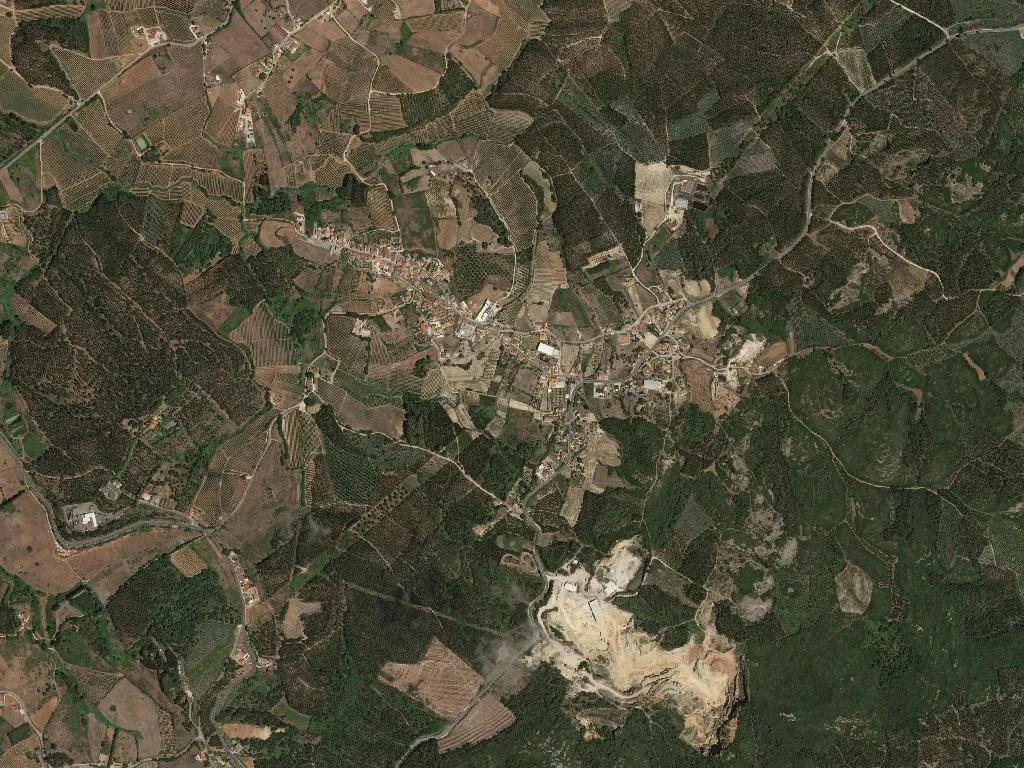
The wind scuds up from the Ribatejo plain and slams into the limestone brow of the Serra de Montejunto Natural Park, carrying the smell of baked soil and hot cork-oak resin. Stand anywhere in the civil parish of Lamas e Cercal—formally fused in 2013, informally entwined since the first goat track—and the land arranges itself in three readable tiers: vineyards at ankle height, olive groves at collar-bone, low maquis brushing the rocky crown. Average altitude is only 143 m, but climb the dirt lane past Portela and you reach the ridge at 666 m, high enough to sight the silver ribbon of the Tagus and, on very lucid winter days, the Atlantic winking 70 km away.
How the geography keeps the clock
Montejunto is not backdrop; it is larder, playground, weather-vane. Locals still head upslope for firewood, let goats graze the dolomite scree, and fill wicker baskets with saffron milk-caps after the first autumn rain. The parish’s 3,409 residents occupy three hamlets—Lamas, Cercal do Alentejo, Cercal do Ribatejo—names that dissolve into one another in old mouths. Summer dries the seasonal streams (Ventosa, Pego), yet their ghost beds scar the ground like pale stitches. Hiking trails begin at front doors: past the Renaissance fonte of Boa Vista, up a mica-slick schist footpath, into a holm-oak coppice where rosemary gives off a gun-flint scent when crushed.
Between the settlements the earth sounds hollow under hiking boots. Bee-hives drone like dive-bombers among the orchards: Alcobaça apples in Horta Nova, Rocha pears in Vale de Maceira. The cooperative’s vineyards are combed into south-facing rows the workers know as intimately as their own fingerprints; here the sun scalds the berries, imprinting the wine with a taste that Lisbon sommeliers now call “chão”—a minerality you can lick from your lips.
Names that remember their job
Lamas: where water once pooled. Cercal: where livestock was corralled. Etymology doubles as ordinance survey. Three buildings keep time: the mother church in Lamas whose single bell tolls only at seven o’clock; the whitewashed chapel of São Sebastião in Cercal, procession destination whenever drought lingers; the former town hall of Cercal, stone coat-of-arms still announcing the days when this village held municipal charters.
The economic calendar is immovable: September for the grape harvest, November for olives, May for stripping cork. Census sheets tell what everyone already knows—anyone under thirty exits to Lisbon or London construction sites—yet the houses that remain occupied are immaculate: lime wash refreshed each spring, threshing stones scrubbed where maize once dried.
Pantry of the Serra
At Gloria’s village shop you can buy Dona Antónia’s cherry liqueur—no label, just rinsed beer bottles refilled in her cellar. João’s sheep’s-milk cheese acquires its granite rind from months spent smoking above a wood-burning range. Sr. Manuel’s early-harvest olive oil stains bread emerald; fruit is hand-picked at Quinta do Carvalhal and driven straight to Cercal’s press before the leaves wilt.
Tourism arrives quietly: a grandmother’s bedroom converted into a studio apartment, walkers tracing the newly sign-posted Rota do Montejunto, outsiders asking where to taste tomato soup enriched with pennyroyal. They sit in Café Central drinking a bica with a drop of milk while the radio dishes out local football scores.
Dusk drops behind the ridge and the palette shifts—vines molten gold, church stone glowing ember, sky the exact shade of the red-currant liqueur your neighbour pours after supper. When the bell rings again it rolls down the valley, climbs the ravines, slips through kitchen windows where dinner is still cooked on a wood-fired range. The scent of smoke and stew lingers on the clothes of anyone who spends a day in Lamas e Cercal, a reminder that some places perfume you rather than the other way round.