Full article about Water-wheels & Baroque Gold in Camarate-Unhos-Apelação
Hear 18th-century mills hum between tower blocks, sip wine from schist plots, step into Roman wells.
Hide article Read full article
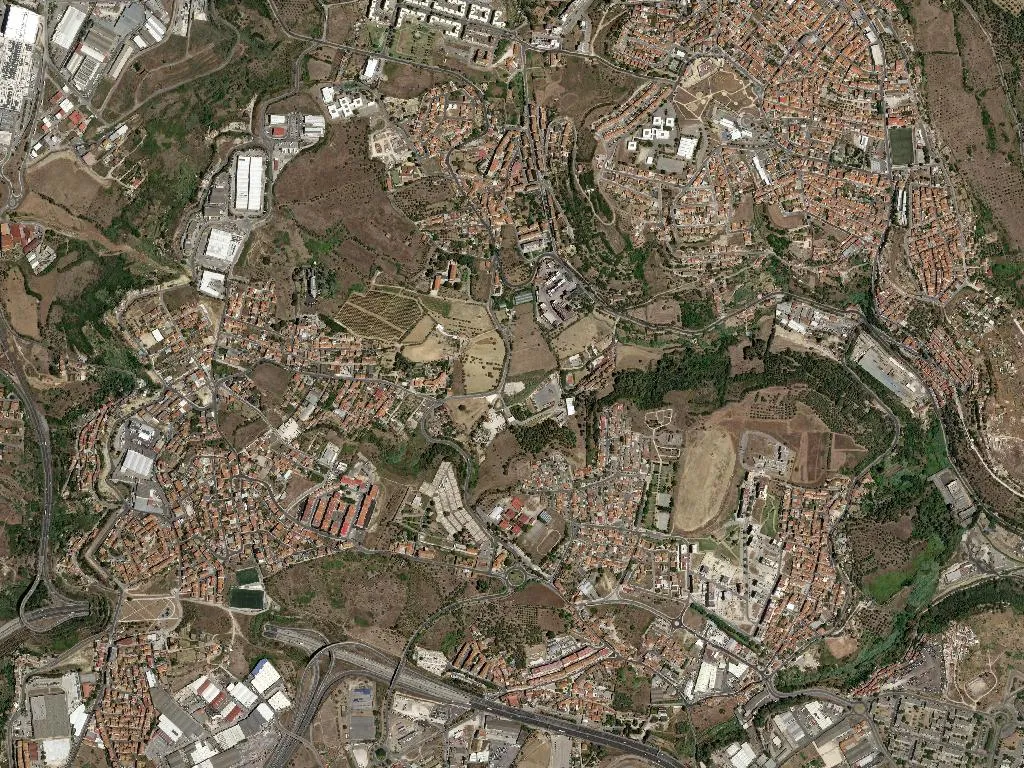
The first thing you hear on Rua dos Moinhos isn’t the A1 motorway or the low growl of aircraft banking over Portela. It’s something older: a soft hush like a distant tap left running in another room. A narrow stream – the Rego da Machada – slips past three eighteenth-century watermills whose granite walls are the colour of burnt sugar and twice as thick. The wheels stopped turning decades ago, yet the water keeps talking, insistently, while 33,500 people live stacked around it at almost London density. Between five-storey apartment blocks you’ll still find schist-walled vineyards, the agricultural equivalent of keeping a tomato plant in a rental’s back yard – pointless for the rent, but the salad tastes of something you own.
Three Villages inside One City
The civil parish was stitched together in 2013, yet each piece keeps its own grain. Camarate first appears in a 1260 charter of Dom Afonso III, half a century before bacalhau became national religion. Unhos – from the Latin olivetum – still keeps orange groves that survive like a grandmother’s umbrella in the boot of the car: technically useless, always there. Apelação grew around the little church of Santo António the way children gather around the ice-cream van. In 1998 archaeologists uncovered a Roman well beside the altar – two millennia of humans drawing water from the same rectangle of earth, only now it’s carried home in plastic.
Gilded Wood and Lime that Breathes
Step inside Camarate’s mother church and the roar of the 755 bus is suddenly muffled, as if someone has closed a heavy velvet curtain. The baroque giltwood concentrates daylight the way a toaster narrows on bread: everything positioned to catch the gold. At Apelação, the late-afternoon sun sets the Santo António retable glowing like a baker’s oven left too long. Unhos keeps a quieter nave, washed in the exact shade of cream you inherit with the paint tin from a great-aunt. Stone cruzeiros – wayside calvaries – stand at crossroads like early Ordnance Survey markers; no one notices them now, but they were the first signage the valley had.
Communal-Oven Bread and Bucelas Wine
Sunday mornings, Praça de Apelação smells of yeast and burnt flour the way Monday bedrooms smell of steam iron. The sour-dough loaves emerge with crusts as thick as a labourer’s boot; tearing one open sounds like a front door slamming on a winter night. They are served with a glass of Bucelas, the brisk, lemon-veined white that even red loyalists drink without wincing. Paired with cozido stew it becomes the liquid analogue of next-day soup – same ingredients, different narrative. Finish with Camarate’s miniature queijadas: two-bite cheesecakes whose silver wrappers end up folded in coat pockets – not for thrift, but for the memory of sweetness.
Herons and Yellow Arrows
Camarate’s eleven-hectare park equals eleven football pitches without referee or crowd. At dawn the only anglers are grey herons, operating without licences. The old Lisbon–Mafra railway line has been repurposed into a green lane; where steam once whistled, Saturday cyclists now pant. Across the valley the Serra da Ameixoeira trail is five kilometres – the same distance you’d walk for a distant café, but with better scenery. From the top the Tagjo uncoils like a dropped ribbon of silver Sellotape.
Festivals that Taste of Gunpowder and Basil
On 13 June Apelação smells of genovese basil the way school corridors smell of lunch – invisible but unmistakable. In August Unhos carries its loaves to the square to be blessed, a polite knock on the year’s door before entering. Camarate’s September fireworks crack like pomegranate seeds on New Year’s Eve, minus the bruises. At Christmas Apelação’s living nativity scenes occupy garages the way hams occupy basements: the trick is remembering where you left them.
When the last aircraft draws a biro line across the night sky, pause half-way across the street – phone forgotten, keys still in hand – and you’ll catch it: the same water threading the mills. No statue, no heritage board, just the sound of a valley that was here before concrete, before runways, before postcodes, still measuring time in the currency of falling water.