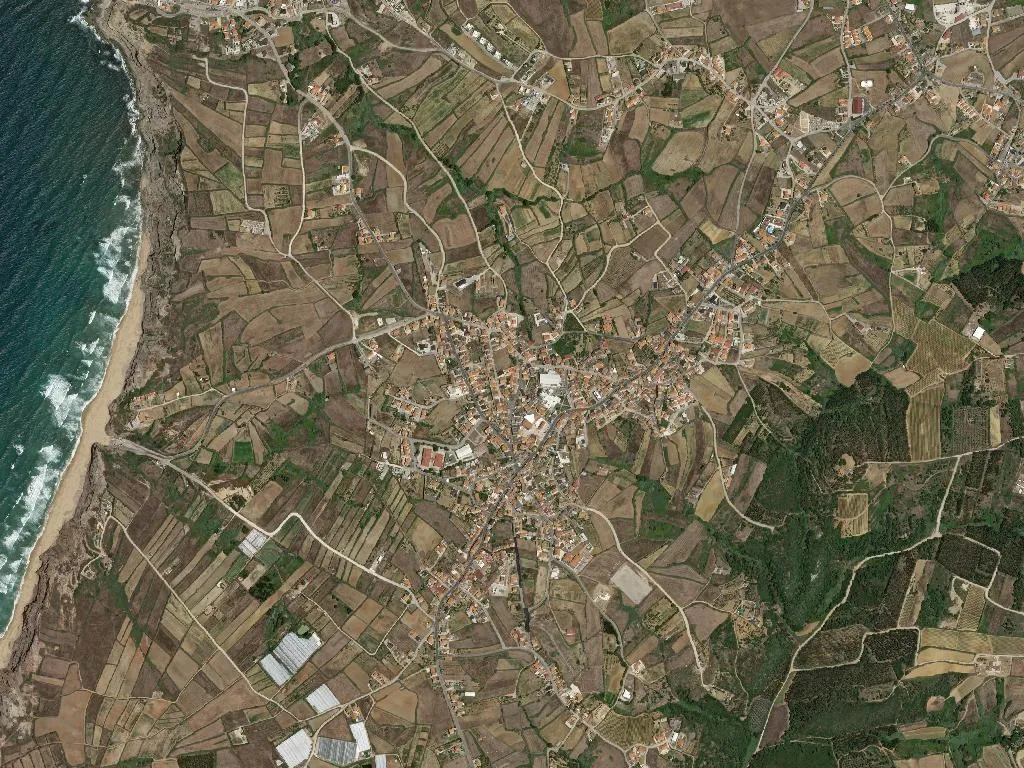
Full article about Ribamar: Black-Sand Harbour Where Dinosaurs Once Roamed
Fishermen haul seabass beneath Jurassic cliffs, then grill the catch over sea-salt embers in Ribamar
Hide article Read full article
Salt and Basalt
Atlantic swells detonate against the toe of the cliff, flinging spray over Porto Dinheiro’s 400-metre crescent of magnet-black sand. At daybreak seven-metre open boats slide down the slipway; by late afternoon the same outboards nudge back in, crates rattling with seabass and bream. Every skipper carries a mental bathymetry: where the shelf falls away to 12 m, how the spring flood sets north-east, why octopus shelter under the basalt overhang at slack water. Ribamar only became a civil parish in 1984, carved out of Santa Bárbara, yet the ocean wrote the rules here long before cartographers turned up.
From Latin to Landings
Ripa maris – the riverbank that meets the sea. Roman greyware turns up after winter storms; a 16th-century timber wharf once took deliveries of Madeira wine and salt cod. Village status arrived in 1997, but the harbour still runs to 40-hp Yamaha engines, hand-braided nylon nets and the same cobalt fish boxes stacked three high.
Jurassic Shelf & Pilgrim Footprints
In 1988 a local fossil hunter spotted bone protruding from the cliff: Europe’s largest theropod, later christened Lourinhanosaurus. Palaeontologists now log GPS co-ordinates, scrape back 20 cm of marl and bag each vertebra in plaster. The Coastal Way of Santiago cuts through on the old EN 544; yellow arrows point 3.2 km inland to the chapel of Santa Rita, where rucksacked walkers dodge refrigerated vans racing for the morning auction.
What Tastes of Here
At O Pescador sea bass is priced by the kilo (€22) and grilled with nothing more than sea-salt and a squeeze of local lemon. Goose barnacles fetch €14 a dozen in March. Behind the dunes smallholdings supply the kitchen: kale, flat beans, sun-warm tomatoes. Dessert arrives from farther up the A8 – crisp Maçã de Alcobaça or a chilled Pêra Rocha pear.
Where to Sleep
Twenty-seven listings range from studio flats (€80 off-season, €120 August) to Camping Valmitão: €5 a pitch, hot showers, 200 m from the tide line. WhatsApp beats the booking engines.
Getting There
Leave the A8 at exit 9 for Lourinhã, follow the N247 west. Rede Expressos runs three daily coaches from Lisbon’s Sete Rios (1 h 15 min, €4.25); ask the driver for Ribamar, then walk the final 3 km past the Intermarché roundabout. Parking is free but full by 11 a.m. in July.