Full article about Pêra Rocha pears & Lines of Torres Vedras in Mafra’s trio
União das freguesias de Enxara do Bispo, Gradil e Vila Franca do Rosário: pears, 1810 telegraph hillfort, baroque organs, all 30 min from Mafra
Hide article Read full article
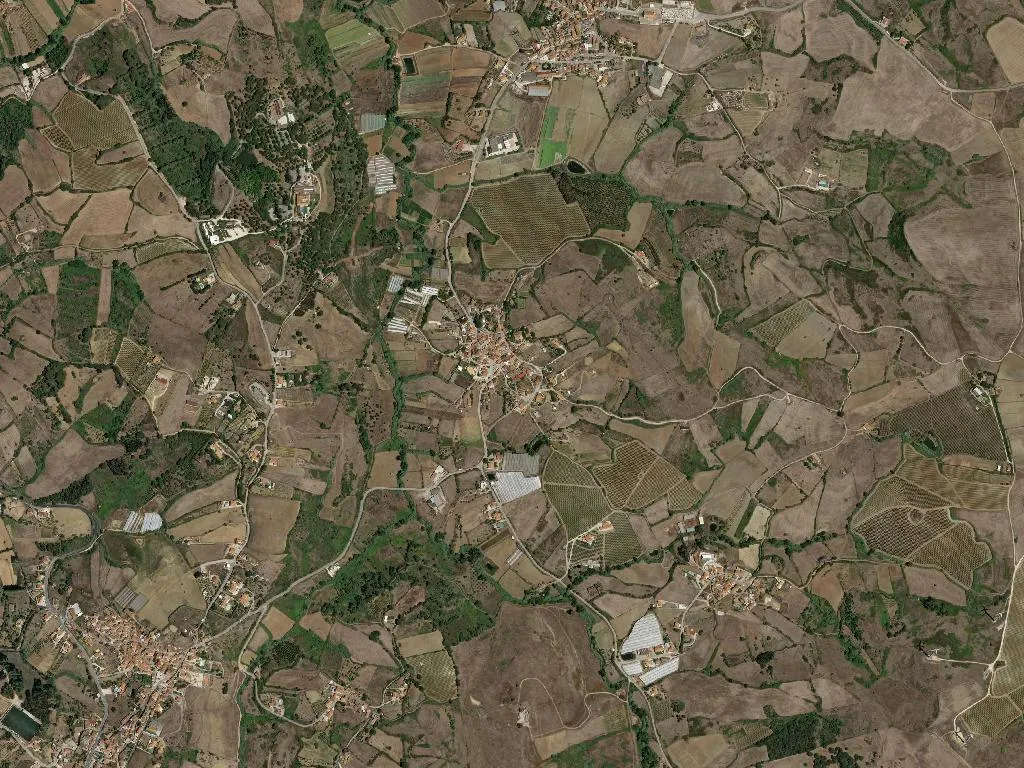
The bell of Gradil’s 18th-century church strikes twelve, its bronze note rolling across a valley where Pêra Rocha pears still hang among the last vineyard rows. October soil exhales a cool, loamy breath, laced with the faint sweetness of fruit being graded in the packing shed at Quinta do Gradil. To the west, the basalt rampart of Serra do Socorro rises 395 m, a geological exclamation mark that once warned of Napoleon’s advance.
Three villages, one council
Since 2013 Enxara do Bispo, Gradil and Vila Franca do Rosário have shared a parish council, yet each keeps its own chronicle. Gradil’s charter dates from 1327, granted by Afonso IV; Enxara—then “of the Knights”—became a town in 1519, and its granite pillory still stands where public justice was proclaimed. Vila Franca do Rosário was elevated in 1626 by Philip III in exchange for an annual rent of one sheep, poultry, vegetables and citrus, a levy that survived until the foral system was abolished.
Inside Gradil’s São Silvestre, an organ built in 1801 by Machado de Cerveira climbs to the choir loft; Enxara’s mother church displays gilded baroque carving and 1720 azulejos narrating the life of the Virgin.
The ridge that signalled
At the summit of Serra do Socorro, the chapel of Nossa Senhora do Socorro occupies an Iron-Age hillfort later reused by Romans and medieval villagers. In 1810 the site became Signal Station No. 16 of Wellington’s optical telegraph, relaying messages along the Lines of Torres Vedras from Fort São Julião da Barra to Fort da Casa.
Twenty minutes on foot from the dirt track bring you to Fortes Grande e Pequeno, forts 28 and 29 of the first defensive line. Their star-shaped trenches are now embroidered with gorse and rockrose, but the view remains the same: a clear shot toward any army attempting the road to Mafra.
Orchards that outlast empires
The parish holds 450 ha of Pêra Rocha DOP, the protected pear that replaced many vineyards after phylloxera. Harvest runs August to October; refrigerated stores keep the fruit crisp until spring. At Quinta do Gradil alone, 70 t are picked yearly—half shipped to France, Britain and Canada, the rest sold in Lisbon’s markets.
The coastal variant of the Camino de Santiago crosses the valley for 8 km between Mafra and Ericeira. It passes the 1947 azulejo panel in Vila Franca’s chapel of Santo António, then threads centenarian olive groves whose fruit is still crushed in a stone-wheel press.
When the sun drops behind the basalt, the ridge glows rust-red and the three villages settle into the same postcode—2640-501—without surrendering their separate accents.