Full article about Malveira & Alcainça: cork-oak hush, mallow-scented market
Between Pêra Rocha orchards and a ghost railway, Mafra’s twin parishes slow the clock
Hide article Read full article
In the shade of the cork oaks
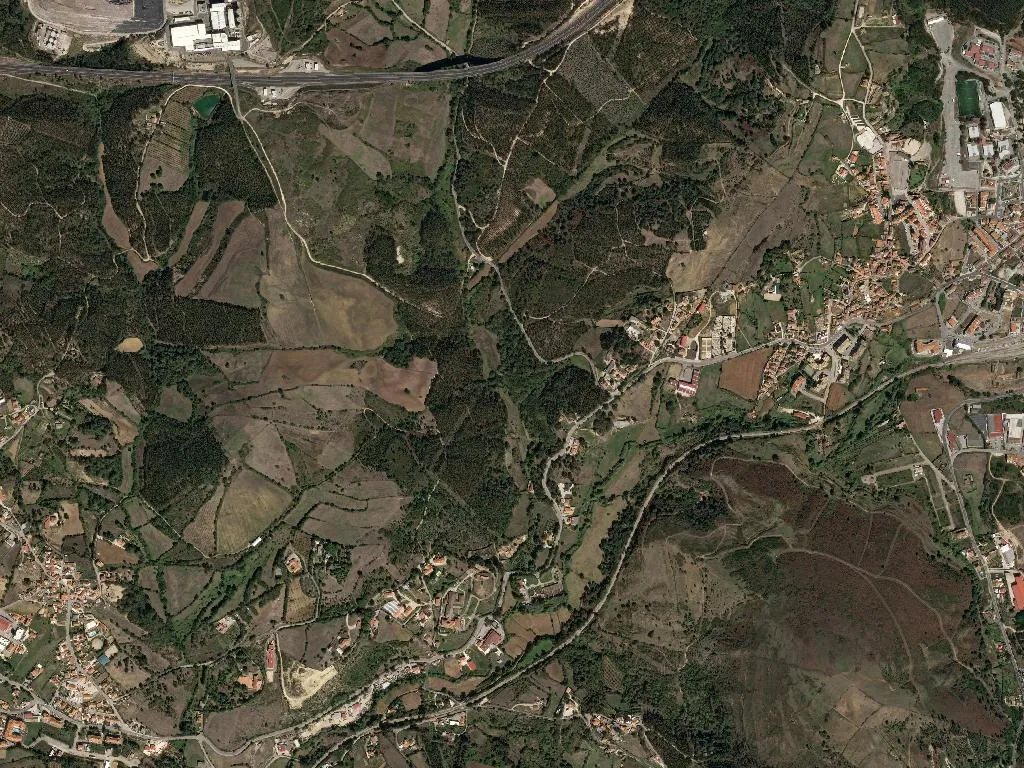
The bus sighs to a halt and the engine dies. Before anything else, the scent arrives — damp earth laced with the syrupy perfume of fruit left to ripen in the sun, drifting down from the Pêra Rocha orchards that stripe the surrounding hills. It is a Wednesday morning in Malveira, market day, and the soundtrack is not traffic from the IC17 but the scrape of wooden crates over cobbles, the half-muffled cry of a woman weighing out kale, the metallic clink of a cast-iron balance someone still refuses to retire. Two hundred metres above sea level, on the wrinkled plateau that buffers Lisbon from the Atlantic, this parish of 9,647 inhabitants keeps its own tempo — neither isolated hamlet nor anonymous suburb.
Where mallow once marked the way
The name carries colour. “Malveira” probably derives from the Arabic al-malwaha or the Latin malvaria — both point to the same low tapestry of soft mauve flowers that once bordered the royal road north. Thirteenth-century charters already record the settlement as a compulsory halt on the Lisbon–Coimbra route, and the habit stuck. In 1904 the railway arrived, turning Malveira into Mafra’s principal freight hub; crates of vegetables, casks of wine and summer visitors were transshipped here for the final dusty leg to Ericeira, then reachable only by cart track. The station is silent now, its ochre stonework and wrought-iron canopy preserved like a pressed flower between modern apartment blocks. Next door, the 1912 warehouse of the Real Companhia Velha — still a working wine depot — is stamped Imóvel de Interesse Público, its cartouche a reminder that western wines once left for the coast from this platform.
Lioz limestone and a Gothic archangel
In the village centre the Manueline pillory rises in white lioz, the Lisbon limestone that catches late light like wax. Centuries of Atlantic rain have fretted the shaft to a surface your fingers recognise before your eyes do. Fifty metres away the parish church unwraps an interior of gilded carved wood and 1720s tiles the colour of Wedgwood; biblical scenes unfold in cobalt across the nave, revealed strip by strip as the sun moves across the narrow clerestory. Three kilometres south, São Miguel de Alcainça — its Arabic tag, al-çaíd, means “land of plentiful water” — shelters a Gothic St Michael in painted pinewood that survived the 1755 earthquake and the eighteenth-century decorators. The doorway is original: stone darkened to charcoal, veined with lichen the colour of burnt sage.
Between kitchen garden and river
Cooking here is a question of radius. Eel stew from the Lizandro river shares the table with lamb scented with garden mint and rabbit scented with lemon thyme. In the one-room taverns of Alcainça, tomato rice with sardine arrives in black clay pots that keep the heat and concentrate the Atlantic on your tongue. Dessert is a territorial dispute: Malveira’s pastéis de feijão — delicate bean-paste tarts — compete with Alcainça’s walnut biscuits and requeijão cheesecakes. Between August and October the orchards open for Pêra Rocha do Oeste; you pick the fruit at exact ripeness, still warm, its granular flesh snapping like a grape. In winter the pears reappear as dark-copper jam, the scent drifting from farm kitchens at four in the afternoon. Vineyards planted with arinto and fernão pires supply the Lisbon wine region; local co-ops turn out a brisk white that loves sardines and an unexpected traditional-method fizz with the finesse of far more expensive bottles. A thread of cold-pressed olive oil — mechanical presses, no centrifuge — finishes everything.
Under the canopy, heading for Santiago
The Coastal Camino cuts across the parish on footpaths flanked by dry-stone walls and cork oaks older than the Second Republic. It is one of the few stages where a pilgrim walks almost entirely in shade, thanks to the northern edge of Mafra’s royal hunting forest. The cycle track that links Malveira to the palace-monastery of Mafra — eight kilometres of cork oak and pear orchard — offers the same green tunnel, broken only by the reed-bed chatter of the Alcaincho and Avessada streams. Those who stay are rewarded with a calendar of small, stubborn festivals: Our Lady of the Conception in September turns the main street into a line of paper lanterns and makeshift grill stalls; São Miguel’s day, 29 September, brings a sung mass, a craft fair and fireworks that bounce their light off cork bark before fading. At Christmas, Alcainça stages a living nativity in the threshing yard; costumed villagers pass clay loaves and real infants from hand to hand while the church choir sings villancicos in Latin-tinged Portuguese.
The lookout at closing time
Evening is best spent at the Avessada miradouro, a concrete platform cantilevered above vineyards and vegetable plots. Fifteen kilometres west, the Atlantic shows as a thin silver file. Low sun copper-plates the stripped trunks of the cork oaks; the air tastes of distant salt and warm schist. A plate of fresh goat’s cheese, olives that still hold last October’s sunlight, a glass of arinto opened ten minutes earlier. This is not the edge of the world, merely the exact spot where the old royal road paused for breath on its way north — and where stopping still makes perfect sense. The last thing you hear, as the sun slips behind the Arrife hills, is the bell of the parish church tolling the angelus: two low notes, a silence, then the echo rolling across the plateau until it loses itself among the pear trees.