Full article about Cacém e São Marcos: Sintra’s wooded commuter fringe
Cacém e São Marcos blends 11th-century whispers, rush-hour energy and instant forest escapes in Sintra’s foothills.
Hide article Read full article
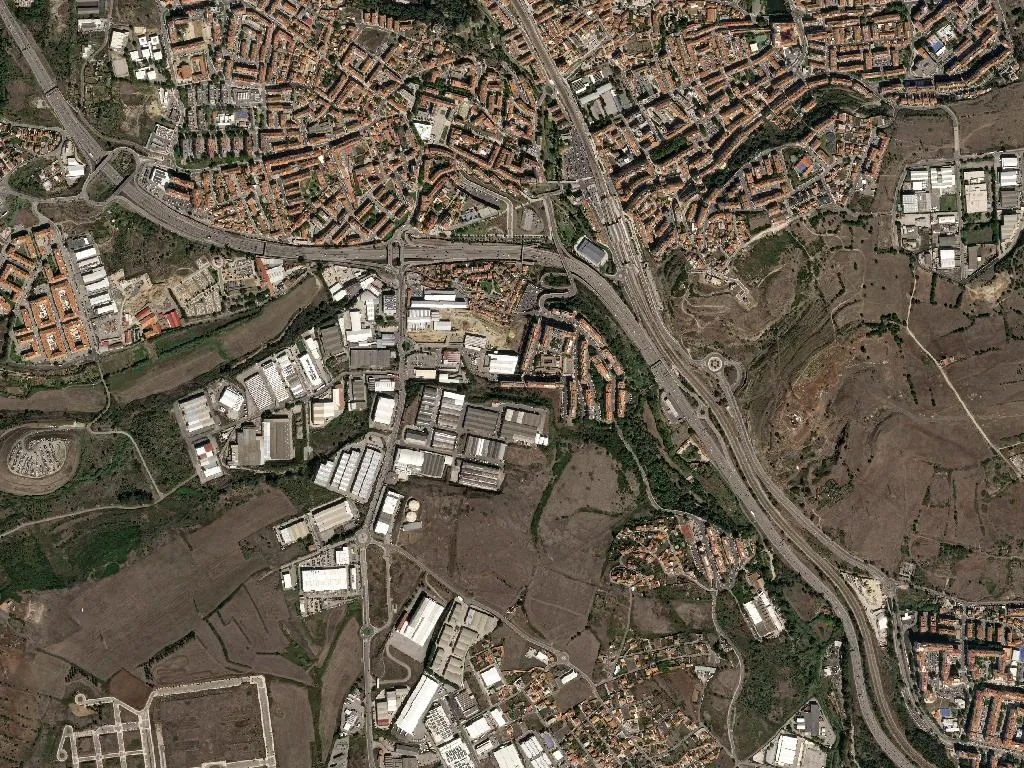
The train brakes with a metallic shriek and the doors slide open to a draught of air cold enough to have come from a fridge. Cacém platform sits 182 m above the Tagus plain—too low to feel alpine, yet the breeze arrives already rinsed by the hills. In less than 400 hectares, almost 40,000 people circulate with the urgency of commuters changing Tube lines: someone is always mounting a pavement, hunting for a parking slot, cadging a light for a cigarette.
Cacém: the name that refused to disappear
Local etymologists insist Cacém is a whisper of the Arabic past, a syllable that survived the Reconquest, the plagues, the 1974 Revolution and now the snowball of dormitory estates. Parish records begin in the eleventh century—an ecclesiastical membership card predating Magna Carta. São Marcos, grafted on in the 2013 austerity reshuffle, still behaves like the slower village it once was. Residents sum up the merger with a football analogy: “Benfica and Sporting under one roof—same hallway, separate bedrooms.”
Where the forest begins at the back gate
Outsiders assume Cacém ends where the apartment blocks exhaust themselves. They are wrong. From my uncle’s vegetable patch you can vault a low wall and land in the Sintra-Cascais Natural Park—no metaphor, just pine needles, soft ochre earth and resin sharp enough to cure a hangover. Everyone knows the trailhead; few bother. Those who do return with needles in their trainers and a thirst only an ice-cold imperial at Zezinha’s kiosk can slake.
What the ground gives the table
There are no vines along the pavements, granted, but the soil still yields Rocha pears whose freckled skins taste like baked apple and quince. Between August and October, the fruit stalls on Avenida 25 de Abril turn into still-lifes: pears with rust-coloured spots that look like sun damage and prove authenticity. Someone’s uncle—there is always an uncle—still ferments red wine in a lock-up garage and produces bottles “that won’t give you a headache, honest”.
40,000 lives in 400 hectares
The census says 39,683; stand outside Escola Básica do Cacém at four o’clock and you will believe it. Children pour out like ants from a shaken nest, outnumbering the elderly so decisively that the parish council has installed traffic lights just for pedestrians under 1.5 m. Sixteen tourist licences are registered—each Airbnb listing promising “Sintra nearby”. Truth in advertising: the 25-minute hop to Rossio is shorter than most London commutes, strikes permitting.
The path that cuts through ordinary time
A rucksacked figure swings a hazel staff, scallop shell sewn to his pack—Camino pilgrim, coastal variant. He nods at José on the bakery’s aluminium step and nobody stares; Cacém is used to through-traffic. Motorway to the south, rail to the north, forest above, commuters within: a place where the world and the neighbourhood intersect like distant cousins meeting in the frozen-fish aisle—unexpected, vaguely amusing, quickly filed away.
When the day exhales
Around eight, when the sun has slipped above the fourth-floor mark and shadows flood the street, the sound drops for half a minute. It is the hush after a pizza oven closes—embers still glowing but the roar gone. In that pocket you can hear the wind sliding down from the serra, carrying the clatter of cutlery and the scent of grilled sardines from balconies. Then the 8.12 to Lisbon whistles and you remember: this is neither city nor village, and that is exactly why it feels like home.