Full article about Ponte do Rol: Where Kings Deferred & Woodsmoke Lingers
Roman wheat fields, 14th-century brush-off, midnight chouriço ovens—meet Torres Vedras’ river villag
Hide article Read full article
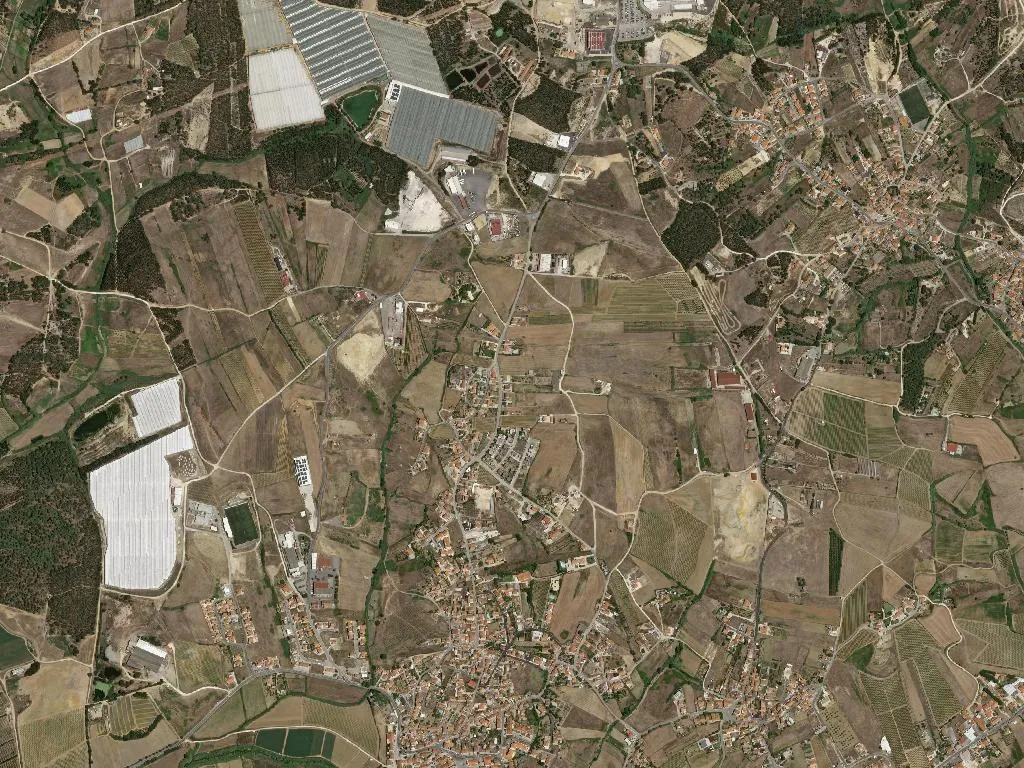
Woodsmoke threads through the morning air as the Sizandro slips past vineyards and watercress beds. The bridge that gave Ponte do Rol its name still carries the N9 across the river, yet locals like to recall the royal brush-off that preceded it: when villagers begged King Dinis for a crossing in the 14th century he answered, “vai na ponte do rol” – roughly, “put it on the list”. The list was eventually completed; a parish followed, and in 1530 the stone church of Nossa Senhora da Conceição rose above the new settlement.
The river that carried Rome
Before Portuguese kings, Roman surveyors mapped the valley and planted wheat. Where the Sizandro once met the sea they founded a trading post they called Gibraltar—an economic outpost, not a rock. Their roads, mill-channels and farm grids still dictate the geometry of the fields. Quinta da Palha, a 17th-century manor with private chapel and nine wells, continues the Roman habit of making land pay.
Parish diary
May: processions for Jesus dos Aflitos wind through Gondruzeira’s allotments.
June: sardines blacken over holm-oak coals for Santo António street suppers.
Benfica fires fireworks for São João.
October and December close the circle with wine and matança chorizo.
Bakery ovens stay lit past midnight; these are gatherings for residents, not postcard folklore.
What to eat
- Serrabulho: a pepper-spiked stew of lupins, pig’s blood and flour.
- Carne à avó – slow-cooked pork neck scented with bay.
- Winter-smoked chouriço, still hanging in kitchen chimneys.
- Ferradura biscuits at festas, curled like horseshoes.
- Torres Vedras bean pastries from Padaria Central, sold from 7 a.m. until the tray empties.
Arrival
Leave the A8 at junction 3; ten minutes later you’re in Ponte do Rol, ten more and the Atlantic is slamming into Santa Cruz cliffs. The Geopark Oeste has signposted vineyard trails; the coastal Camino slips through but few walkers break stride. They should: Café O Sizandro pulls an excellent 70-cent espresso and keeps its lavatory spotless.
At six o’clock the church bell tolls for field-workers, not for visitors.