Full article about Runa: limestone, pears & pastel perfume
Morning light on cream stone, tractors haul perfumed pears past Manueline doorways in Runa.
Hide article Read full article
Stone and sun
Morning light ricochets off limewashed walls, printing sharp shadows on the uneven cobbles. A lone dog barks somewhere beyond the orange trees; a gate creaks open and clanks shut again. The air in Runa smells of split pear and last night’s hearth smoke, and the October sun hangs low enough to gild every floating speck of dust. At only 57 m above sea-level, the village is less a hill town than a shallow saucer tilted gently south, catching Atlantic light without the bruising coastal winds.
Between vine and orchard
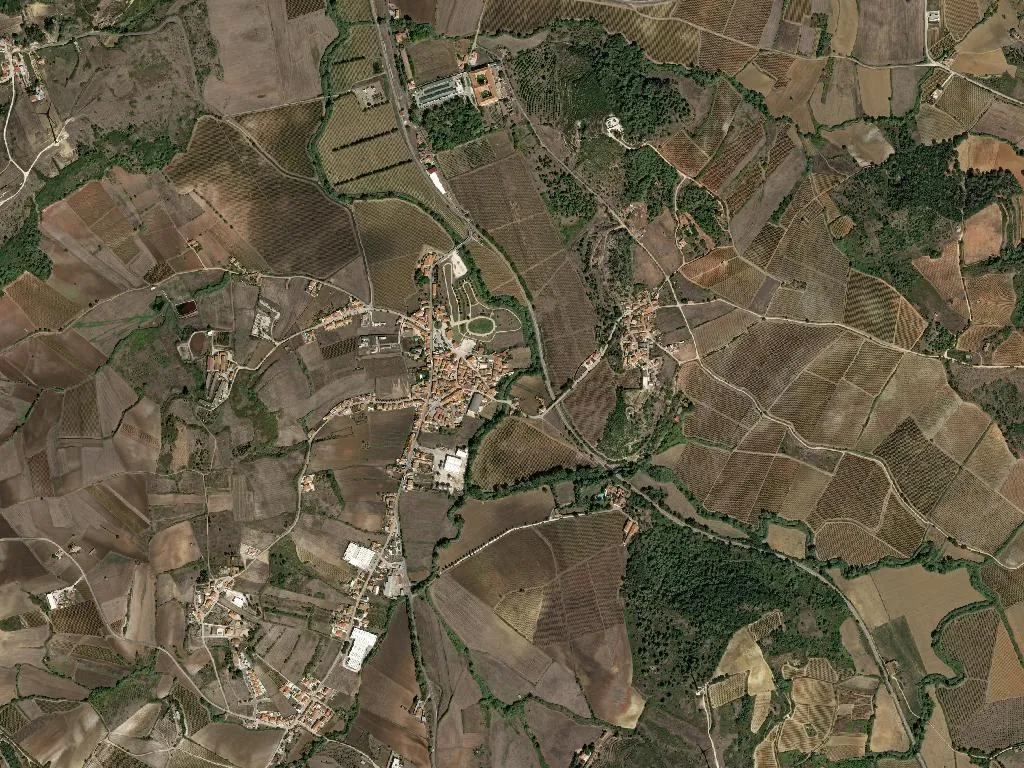
Vines occupy the steeper inclines, their fruit buffered by the maritime breeze that drifts 18 km inland. Yet Runa’s real signature is fruit: calcária soils and a frost-shedding microclimate give Pêra Rocha do Oeste DOP and Maçã de Alcobaça IGP their snap and perfume. When picking starts in September, tractors nose along the lanes with trailers of pears breathing out cool, musky sweetness. Demography shapes the soundscape: almost a third of the 1,393 residents are over 65, so conversations on stone benches tend toward harvest yields of 1978 rather than TikTok.
Limestone that remembers
The parish church, listed since 1984, is a textbook example of rural Manueline stripped back by centuries of pragmatism. Local cream-coloured limestone recurs everywhere—boundary walls pitted by lichen, 19th-century drinking troughs, doorjambs eroded to thumb-round curves. At midday the stone reflects light like polished bone; by 5 p.m. it glows the colour of Madeira cake. Runa lies inside the UNESCO-branded Geoparque do Oeste and on the lesser-known Caminho de Santiago da Costa; way-markers direct walkers along farm tracks where the loudest noise is boot tread on compressed earth.
A pastry with pedigree
Torres Vedras’ famous pastel de feijão—white-bean custard in fragile shortcrust—has been made here since the 1950s. At Padaria Central, Maria José stirs the filling for 40 minutes, exactly as her mother did; the result tastes of almond, lemon and faintly of chestnut, a portable slice of local memory. There are only two places to sleep—Casa da Eira and Quintal da Avó—both renovated cottage rooms with cotton sheets and no minimum stay. Ring the night before; no one here bothers with booking platforms.
When the sun drops behind the pergola of coiled vine stock, the scent of ripe pears lingers like perfume on a sleeve. It follows you to the car, then home, a reminder that in Runa the calendar is still negotiated branch by branch.