Full article about Silveira: Atlantic salt on the Sizandro breeze
Cork oaks, baroque tiles and river-mirrored rice fields edge this Torres Vedras parish
Hide article Read full article
Silveira: where the Sizandro river tastes of salt
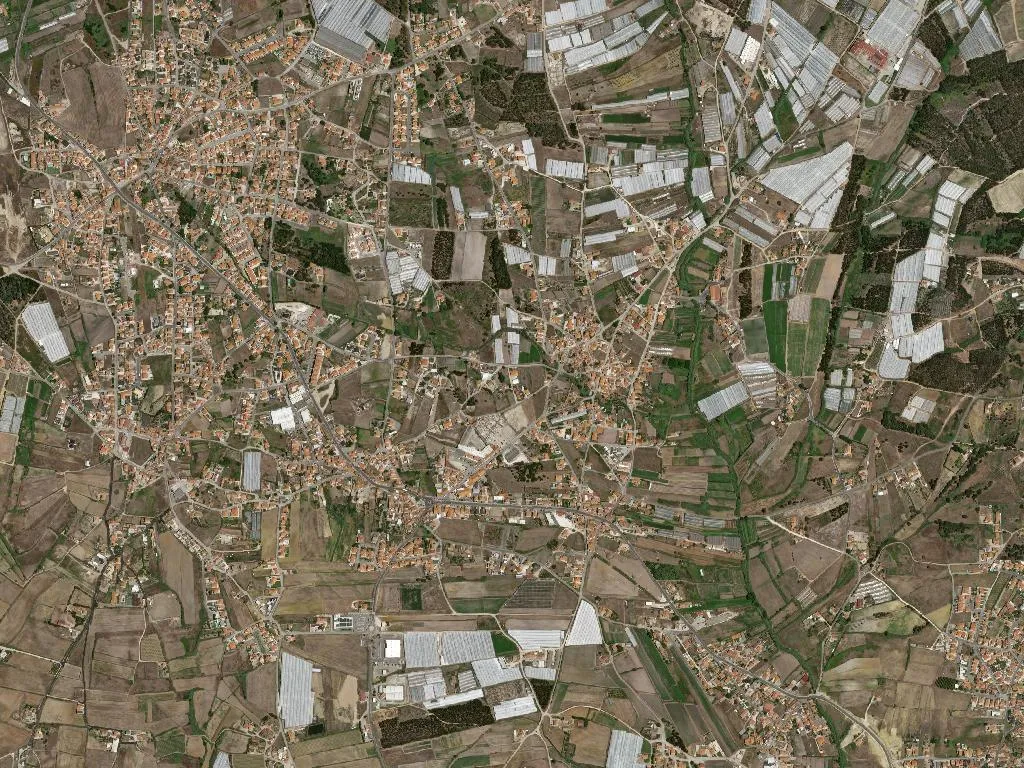
The Atlantic announces itself long before you see it. A briny gust rides up the Sizandro valley, slips through open shutters and rattles the laundry on farmhouse lines. Only after that first iodine breath do you notice the distant roar and, at dawn, the rice terraces below the village flashing like molten pewter.
The forest that named the place
Royal charters from 1180 spell it “Silvaira”, from the Latin silva. Afonso Henriques wrenched the hamlet from the Moors in the 12th century and folded it into the municipality of Torres Vedras; the woods that inspired the name were never fully cleared. Cork oaks and umbrella pines still survive between smallholdings, sheltering hoopoes and the occasional heron lifting from the river’s sand-bed with slow, ceremonial wing-beats. From the 15th to the 17th centuries the alluvial soils and oceanic climate made the parish prosperous: manor houses and roadside chapels appeared in quick succession. The 19th-century royal highway between Lisbon and Torres Vedras sliced through the centre, bringing Napoleonic troops and, later, a long, forgetful calm.
Carved lioz, tiles that talk
Silveira’s parish church rises at the crossroads with the restraint of something that has seen three centuries come and go. Single-naved, 18th-century, its gilded baroque carving competes with cobalt panels of the same period—classified public-interest azulejos that narrate saints and miracles in silent comic-strip frames. Light from the side windows ignites the gold of the high altar and throws lattice shadows across the limestone floor. Outside, a lioz-stone cross dated 1782 stands like a station-pointer on an old ordnance map; a scallop shell carved beneath it marks the village as a staging post on the Portuguese Coastal Route to Santiago. Pilgrims in bulky backpacks sprawl on the steps, easing off boots and letting Atlantic air reach their sock-marked ankles.
Scattered nearby, 18th-century fountains and estate walls in weathered granite form an understated archaeology of everyday rural life—no bombast, just continuity.
Skate, mint and an oven that never cools
The kitchen calendar still rules. On the first Sunday in May the procession of Nossa Senhora da Conceição winds through the lanes; afterwards the parish hall serves sopa de peixe da Silveira, a thick skate-and-clam broth sharpened with garden mint that steams even when the wind swings northerly. Sunday lunch further inland means kid goat roasted in a wood-fired oven: skin blistered, potatoes slicked with local olive oil and a splash of regional white—Arinto and Fernão Pires give citrus-edged wines that beg for sea air.
August brings the Feira do Folar and Conventual Sweets, resurrecting recipes from shuttered convents: ham-stuffed folar breads, tortas de gila (chayote squash tarts), bolos de São dense with almonds and cinnamon. Year-round, the pastel de feijão—Torres Vedras’ IGP-protected bean pastry—arrives with every late-afternoon coffee. In the orchards behind the village, Alcobaça apples and Rocha pears carry DOP status; visitors can pick their own at the pedagogic farm on the southern edge and finish with a mouth-puckering draught of farmhouse cider.
Six kilometres from nave to sand
The Sizandro footpath unhooks the church door from Praia de Santa Rita in an easy six-kilometre stroll—hardly more than 30 m of ascent all the way. It follows sandy riverbeds, paddies and water-mills that no longer turn but still stand, wheels furred with moss and lichen. Herons fish the slack-water; a short-eared owl cuts the silence with a single bark. At 154 m, the hilltop Monte do Facho gives a director’s-cut view: the Sizandro estuary unravelling westward, the Pena ridge to the east, the Atlantic as a blue-black wall. Cyclists on the Coastal Way to Santiago treat the spot as an unofficial refuel stop.
Five kilometres further, Santa Rita and neighbouring Santa Cruz—both within the West Portugal Geopark—deliver dependable surf breaks and, at first light, beach-yoga classes held while the foam still glows peach. Come Carnival, the lanes fill with matrafonas (men in lace-trim skirts) and papier-mâché giants bobbing on human shoulders, swaying in the breeze with the same unhurried rhythm as everything else here.
The sound that stays
Late afternoon brings a hush. Tractors are garaged, pilgrims have stopped for the night, the church bell has given its last dull toll. All that remains is the river’s low murmur heading for salt water—so soft it merges with your own pulse. That is Silveira’s signature: not the crash of surf nor the crackle of festival fireworks, but fresh water threading through rushes a few kilometres short of the sea, certain of exactly where it is going.