Full article about Ventosa: Apple blossoms above Jurassic stone
Terraced orchards, tiled St James & bean-paste tarts greet walkers on the coastal Camino
Hide article Read full article
Between vines and apple rows
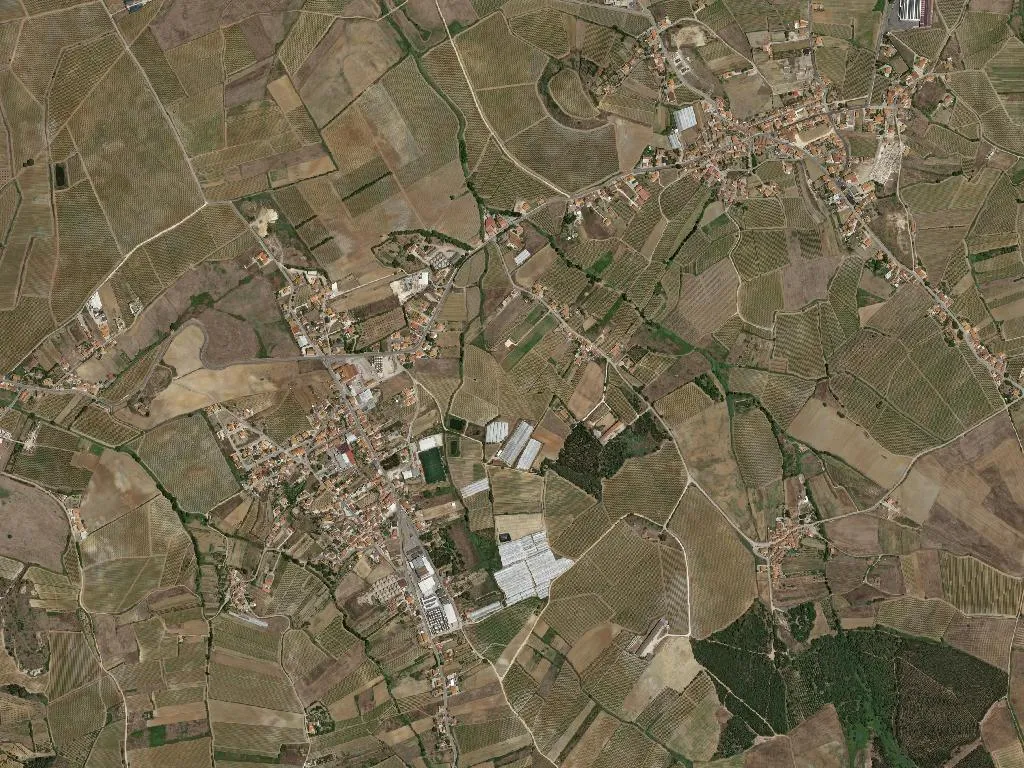
From the terrace of Café O Padrinho, the Moçafaneira roundabout frames a living calendar: terraced vineyards rise like stone steps to the sky, while orchards repaint themselves each month—apple-blossom ivory in April, emerald sheen in June when the first Rocha pears begin to swell. There are no tour buses, no souvenir stands. Ask nicely and Mr Joaquim will point to a villa with a kidney-shaped pool. “That was my father’s olive press,” he shrugs, as though recalling a cousin who emigrated and forgot to write.
Alcobaça apples and Rocha pears—the village’s famous exports—thrive on three non-negotiables: Atlantic wind to dry the morning dew, late sun for sugar, and the limestone crust geologists liken to a barcode of the Jurassic coast.
Way-marked boots and almond croissants
The coastal variant of the Camino de Santiago cuts straight past Pastelaria O Mercado. At dawn, backpackers tumble in, poles clattering, begging for an espresso and a loo key. Owner Lurdes keeps the toilet paper behind the counter; “otherwise it ends up in the rucksack.” They pause at Ventosa’s bandstand to photograph the tiled St James, post it, walk on—three minutes that still place the village on a map larger than the parish council’s.
Taste of the Oeste
Tasca do Quim is simply Quim’s bar, but the daily dish is decreed by his mother, Dona Odete, according to what her son hauls back from the butcher. Might be lamb stew, might be pumpkin fritters. White wine arrives in a jug—don’t ask the vintage—and the round loaf is sized to hunger, not hype.
Sunday mornings see a queue outside Silva bakery for Pastel de Feijão, a local bean-paste tart whose recipe hinges on Prégola butter and a brick oven older than the dictatorship. No marketing, just habit: cardboard box in hand, families head to the beach or the mother-in-law’s.
Field bandwidth, ocean breeze
Ventosa hasn’t grown so much as loosened its belt. Lisbon escapees with fibre-optic jobs bought donkey-roofed ruins, punched in picture windows and now mute Zoom calls when the neighbour’s cockerel kicks off. Moçafaneira is the easiest example—though someone still remembers when the only landmark was a hand-painted “SLB” football slogan on a wall.
When the sun drops behind the Serra do Socorro and the wind remembers its manners, eucalyptus meets wood-smoke on the air. Phones switch to aeroplane mode, gates squeak and you understand why the place is called Ventosa: the wind isn’t a nuisance, it’s the background station that never signs off.