Full article about Aldeia Velha: silence, oil and 1.7 neighbours per km²
In Avis parish, taste centenary olive oil, slow-cured cheese and horizon-wide emptiness
Hide article Read full article
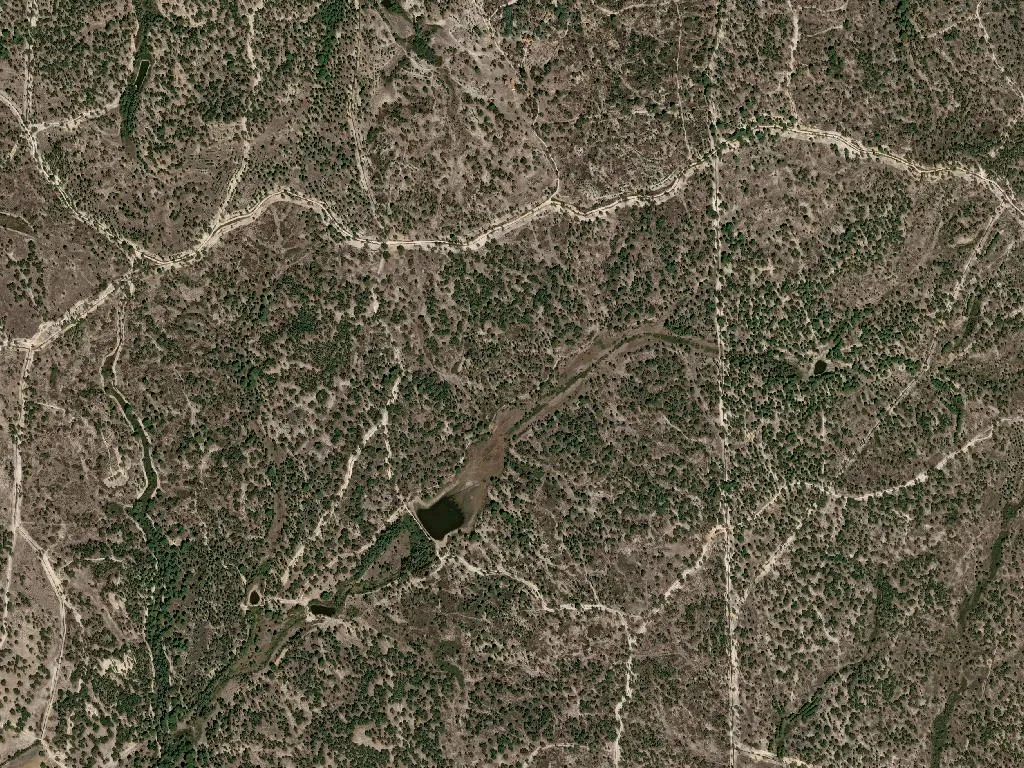
The sun drops its final coins of light onto the Alentejan plain with such force that the horizon seems to vibrate. In Aldeia Velha, 214 souls are scattered across 126 km² of wheat and olive terraces; the quiet is so complete that your own footfall on the beaten earth feels like an interruption. Here, neighbourhood is measured not in doorsteps but in cereal fields, and the parish council’s territory stretches farther than the entire borough of Camden.
Demography here is brutally frank: eight teenagers, ninety-seven pensioners. At 1.7 inhabitants per km², the land still dictates the tempo—sowing in November, harvesting in June, olive brushing in late winter—and human stories play out in the gaps between.
Olive oil, cheese and the grammar of taste
Inside “O Cantinho” on Rua da Igreja, Sr António pours Monterraraz DOP oil over warm pão de testo. The liquid is thick, bitter-green, the flavour that marks the high plateaux of northern Alentejo. Sr Joaquim’s seventeen centenary trees—measured not by GPS but by the walk from Monte da Pedra to Fonte das Fontainhas—anchor the landscape like flagpoles.
Add Tolosa’s Queijo Mestiço (PGI) and Queijo de Évora (PDO) and you have the district’s edible alphabet. In Dona Rosa’s stone shed beside the chapel of São Sebastião, cheeses cure for three months on schist shelves, turning from chalky discs into brittle, tangy wafers that dissolve into controlled acidity—knowledge passed from Cuba (the Alentejan hamlet, not the Caribbean) through three generations of women.
Geography of absence
At 154 m above sea level, Aldeia Velha is an exercise in horizontality. The estates of Monte Novo and Monte da Barbas alternate between summer gold and winter emerald. There are no ticketed viewpoints, no baroque convents—just the plain itself, beginning at the tarmac of the M521 and running uninterrupted to the parish boundary at Mora.
Accommodation is almost an afterthought: two self-catering farmhouses, one of them Monte do Azinhal, restored by Lisbon grandchildren who return only for August. Walk from Poço do Gato to Monte do Ameixial and you can clock 50 minutes without seeing a soul; larks and the crunch of wheat stubble are the only soundtrack.
Darkness arrives suddenly, as if thrown from the sky. Farm lights prick the blackness, yellow pin-holes emphasising the Alentejo’s astronomical immensity. Above Sr Manuel’s herdade, Orion is close enough to touch. In Aldeia Velha, silence itself has flavour: new oil on warm bread, sun-baked earth cooling under your feet.