Full article about Nossa Senhora da Graça: silence carved in cork and stone
A 542-soul parish where paprika-rind cheese ages beneath Alentejo stars
Hide article Read full article
The Weight of Open Space
Morning light strikes the limewashed walls head-on, flaring against the parish church’s limestone bell-tower. Only 542 souls occupy 73 km² here, a territory so hushed that distance is measured by the gap between one smoke-cure shed and the next, between a line of olive trees and the first row of vines. A distant dog barks; a cast-iron gate complains; the clock in the tower counts the hour.
The Territory
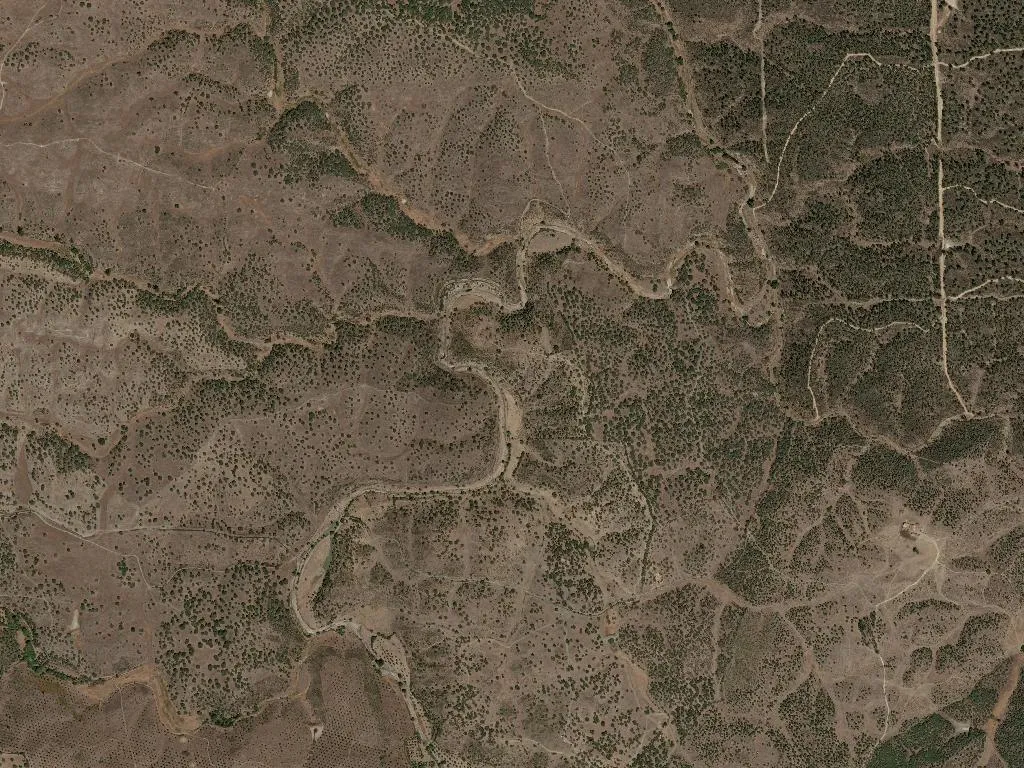
Póvoa e Meadas stretches across more than 7,000 hectares of rolling Alentejo borderland, its altitude hovering around 250 m—high enough for dawn air to taste cool even in August, sharp enough in January to bite the skin. Cork oak and holm oak alternate with wheat terraces and cherry orchards. The road corkscrews between estates producing DOP olive oil, chestnuts and the slow-maturing Queijo de Nisa, its rind pressed with sweet paprika and olive-mash.
Stone That Withstands
Two classified monuments anchor the hamlet. The 16th-century mother church sits at the geometric centre, walls a metre thick, summer heat held at bay, winter draughts blunted. Around it, houses huddle in a tight lattice, their backs turned to the prevailing wind, roofs the colour of burnt toast.
Mismatched Generations
Forty-four children under 14; 265 residents beyond retirement age. On Castelo de Vide’s Thursday market, 10 km away, octogenarians park identical red tractors while thirty-somethings discuss organic certification or the price of installing a plunge pool. Everyone still names the parcels of land—Courela do Moinho, Tapada Grande—as if they were members of the family.
Night Silence
Four guesthouses, all converted farmhouses. After dark the sky unpicks itself into constellations erased from any city atlas. Wake at dawn and the bedroom fills with horizontal gold, light sliding across the floorboards like spilt honey.
Learning to Wait
There is no fast way to visit. Cheese needs months; olives a full agricultural year. Walk the red-dust tracks, tear warm bread from the communal wood oven, stand still when the wind drops and feel the parish hold its breath.