Full article about Gáfete: thyme-scented silence in Alentejo wheat
Crato’s whitewashed hamlet exhales warm barley air, cheeses fight back, gates hinge the day shut
Hide article Read full article
Afternoon settles like grain on the threshing floor
By five-thirty the sun has already slipped behind the wheat stubble, leaving the soil to exhale a warm, biscuity breath of roasted barley. In Gáfete, population 688, silence is not an absence but a presence: the cicadas’ high-frequency hum you can’t quite locate, the holm oak that rustles as if arguing with itself, the squeak of Sr Américo’s gate—always shut at half-past six—hinging the day closed like a well-used diary.
The geometry of ageing
Walk the single street and the maths is visible: 305 residents over 65, only 34 children under 14. At the padaria, Sr Joaquim lifts the metal shutter at nine; by nine-oh-five the Formica counter is colonised by handbags and elbows while bread is weighed and grandchildren are audited. The school bell stopped dictating the seasons years ago, yet cupboards still keep exercise books belonging to sons who now write code in Lisbon or weld ships in Rotterdam.
Certified tastes of the plain
Queijo de Nisa, DOP-protected, smells of the merino ewes that graze the montado’s edge; D Rosa has coagulated their milk for forty years, turning it into a cheese that fights back. Behind the church, Zé Manel’s lagar releases olive oil so fresh it steams, peppery enough to make the uninitiated cough. Sr Aníbal’s chouriça dries in an outhouse that reeks of red wine and smouldering oak; he mutters about “time and salt”, but the salt arrives from the Atlantic two hours away, carried on a south-westerly you can taste when the wind shifts.
Textures of territory
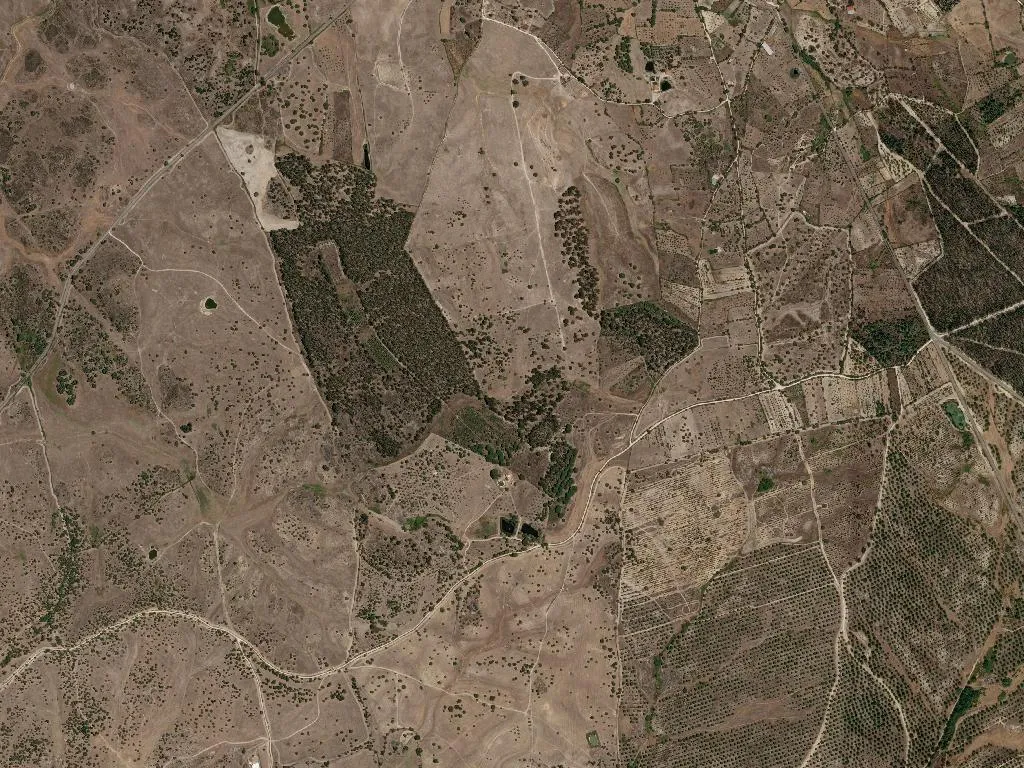
The track to Fonte Nova still keeps the hoofprints of the last donkey—no one saw them arrive, no one saw them leave. Scratch the surface and the earth is ferric red; above, it crumbles like dry shortbread. Step between the cork oaks and the ground yields, just a little, releasing the scent of split acorns and slow-dripping resin. When the low sun rakes the wall of the abandoned primary school, the eucalyptus shadows become long fingers pointing to where a bandstand once stood and where, on feast days, brass bands used to drown out the cicadas.
How to stay
The only guest accommodation is Ti Mário’s converted olive store, booked by word-of-mouth and recommendation only. There is no sign because no one arrives by chance: you come already knowing that Gáfete offers nothing except what it is. At night the silence is so dense you can hear the neighbour’s kitchen clock tick through stone walls. Wait until the wind brings the scent of cooling earth, and you realise this is the place where time does not pass—it simply lingers, like the last note of a song you can’t name.